
John Carpenter (filmmaker)
American filmmaker, composer and screenwriter noted for pioneering horror and science-fiction films and minimalist synth scores; director of Halloween, The Thing and Escape from New York.
John Howard Carpenter (born January 16, 1948, in Carthage, New York) is an American director, producer, and writer who also composes much of the music for his films and appears occasionally as an actor. Best known for work in genre cinema, he established a distinctive combination of economical storytelling and atmospheric soundtracks that helped redefine late 20th-century horror and science fiction.
Carpenter studied filmmaking at the University of Southern California and began making low-budget features in the 1970s. His early success came with inventive independent pictures that married practical effects to tight pacing. He often collaborated with producers and writers from his early career onward and developed a reputation for taking on multiple creative roles in a single project.
Stylistically, Carpenter favors lean narratives, clear visual motifs, and synth-based musical scores that emphasize mood and repetition. His films commonly explore isolation, identity, and paranoia, and he frequently blends horror with elements of horror and science fiction to produce unsettling, memorable experiences. Practical special effects and a preference for suspense over explicit explanation are recurring traits.
Image gallery
8 Images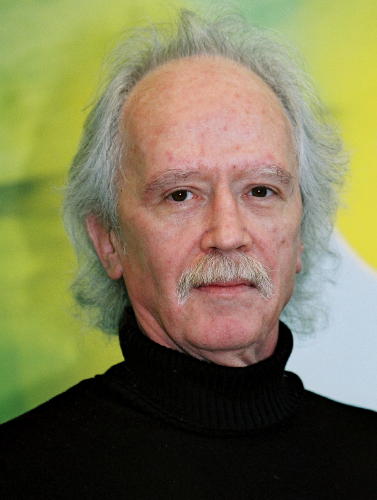


Notable films
- Halloween (1978) — a seminal slasher film that helped shape modern horror franchises.
- The Thing (1982) — a tense, effects-driven tale of mistrust and survival in a remote setting.
- Escape from New York (1981) — a dystopian action picture that broadened Carpenter's audience and style.
- Other titles include Dark Star (early work), They Live, Prince of Darkness and several cult favorites.
Carpenter's influence is visible across contemporary genre filmmaking: directors cite his economy of storytelling, his use of music as a narrative device, and his ability to create sustained dread on modest budgets. Halloween in particular spawned numerous sequels and reappraisals, while many of his films have been reassessed as classics of their respective subgenres.
Beyond filmographies, Carpenter has worked on soundtrack albums, occasional concert performances of his scores, and later-career projects that revisit familiar themes. His career illustrates how a filmmaker can shape popular taste by combining technical craft, a signature sonic palette, and persistent engagement with genre conventions.
Related articles
Author
AlegsaOnline.com John Carpenter (filmmaker) Leandro Alegsa
URL: https://en.alegsaonline.com/art/122385