
Sir John Chilcot (1939–2021)
British career civil servant and Privy Counsellor who chaired the Iraq Inquiry (the Chilcot Inquiry), examining the UK’s role in the 2003 Iraq conflict and its aftermath.
Overview
Sir John Chilcot was a senior British civil servant best known for chairing the public inquiry into the United Kingdom’s involvement in the 2003 invasion of Iraq. A long-serving figure in Whitehall, Chilcot held high-level roles across government before being appointed to lead the wide-ranging probe that later became widely known as the Chilcot Inquiry. He was a member of the Privy Council and was honoured with a knighthood (GCB).
Image gallery
1 Image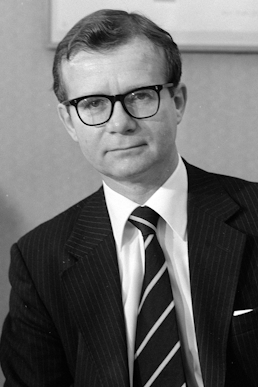
Career and honours
Chilcot spent most of his professional life in the British civil service, rising to senior posts and undertaking responsibilities that spanned policy and administration. His career established him as an experienced figure in government, which contributed to his selection to lead a sensitive and complex public review. He received formal state honours in recognition of his service and was raised to the Privy Council.
The Iraq Inquiry (the Chilcot Inquiry)
In 2009 Chilcot was appointed chair of the inquiry set up to examine the UK’s involvement in Iraq, including the events that led to military action in 2003, the conduct of operations, and the aftermath. The inquiry conducted public and private hearings, collected testimony from ministers, civil servants and military officials, and reviewed documents and intelligence assessments. The body of work sought to clarify decisions taken by government and to learn lessons for future policy.
Findings, reception and legacy
The inquiry’s final report, published after extensive examination, offered a critical assessment of aspects of the UK government’s decisions and the use of intelligence in the lead-up to military action. It prompted public debate about accountability, ministerial decision-making and the processes by which governments assess and present information to Parliament and the public. The inquiry’s length, procedural choices and delay in publication were also noted and sparked discussion about the design of future inquiries.
Notable points
- Often referred to simply as the Chilcot Inquiry or Chilcot report.
- Aimed to learn lessons to improve democratic oversight and crisis decision-making.
- Put a spotlight on the relationship between intelligence, policy and political judgment.
Sir John Chilcot died in 2021. His role in leading a major national inquiry left a lasting imprint on how the UK reflects on and investigates its foreign policy decisions and military engagements. Further details about the inquiry and its documents are available through public records and official summaries, including materials released as part of the Iraq Inquiry.
Related articles
Author
AlegsaOnline.com Sir John Chilcot (1939–2021) Leandro Alegsa
URL: https://en.alegsaonline.com/art/122391
Sources
- guardian.co.uk : "David Cameron says he favours a more secret approach to Iraq inquiry"
- police-foundation.org.uk : "Trustees, patrons and associates"
- telegraph.co.uk : "Iraq inquiry: profile of Sir John Chilcot"