
John Boehner — U.S. politician and former Speaker of the House
John Boehner (born 1949) is an American Republican politician who served in the Ohio legislature and the U.S. House, and was Speaker of the House from 2011 to 2015 before resigning.
Overview
John Andrew Boehner (born November 17, 1949) is an American politician best known for serving as Speaker of the United States House of Representatives from 2011 to 2015. A member of the Republican Party, Boehner spent part of his early career in state government and later represented an Ohio district in the U.S. House of Representatives. During his time as speaker he presided over a sharply divided chamber and high-profile budget fights. For an official summary of the speakership, see Speaker of the House.
Image gallery
10 Images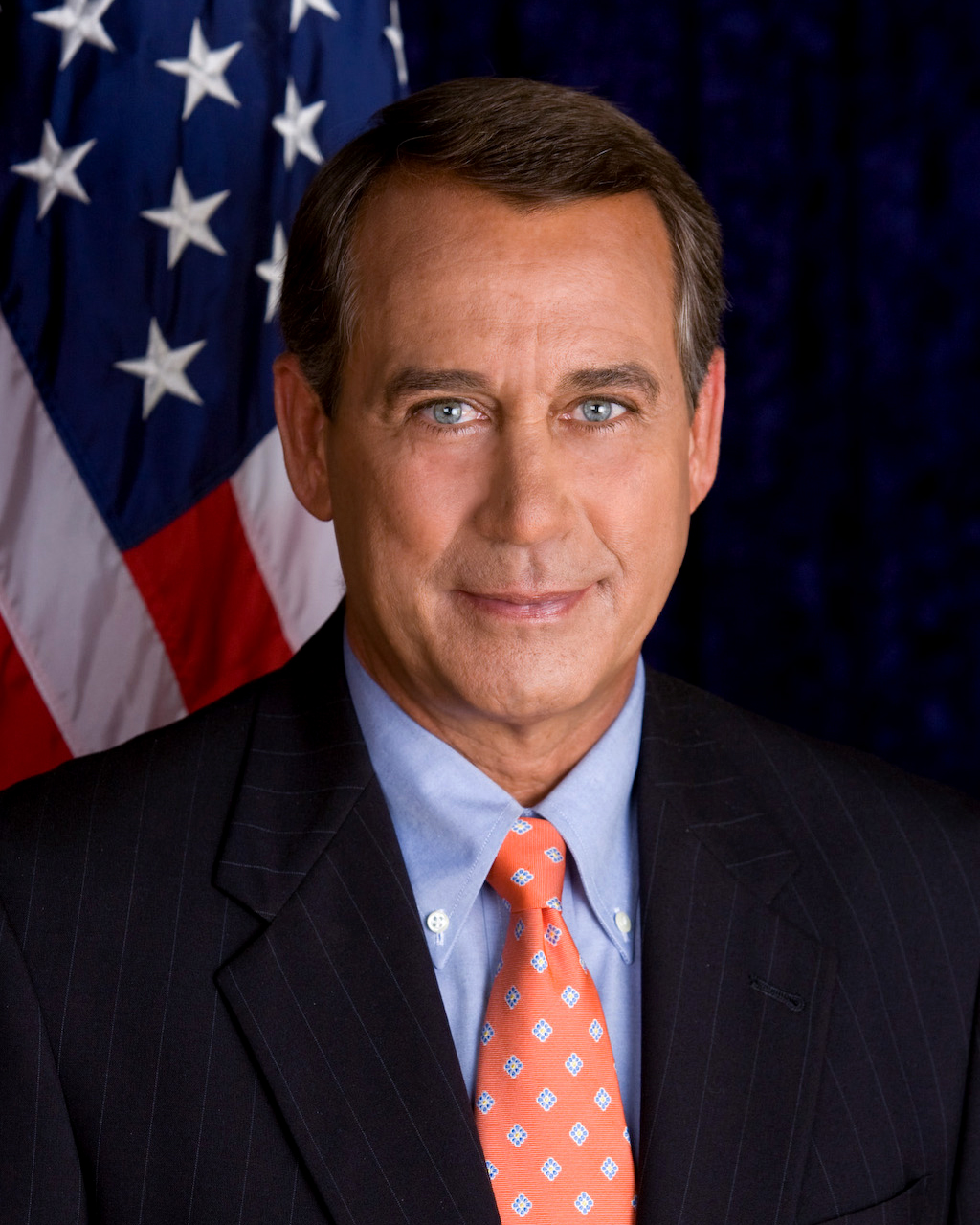


Early life and political beginnings
Boehner grew up in Ohio and entered public life at the state level, serving in the Ohio House of Representatives in the 1980s. He won election to the U.S. House of Representatives in 1990 and took his seat the following year, beginning a long career in Congress. As a member of the United States House of Representatives, he rose through party ranks and developed a reputation as a pragmatic legislator who negotiated with colleagues across the aisle while remaining aligned with conservative priorities.
Speakership and major events
As Speaker from 2011 to 2015, Boehner led the House during a period marked by intense partisan battles over federal spending, taxation and healthcare. His speakership saw several notable episodes, including negotiations over the federal debt limit and episodes of government shutdown and funding standoffs. These events tested his ability to balance party demands with the institutional responsibilities of running the House.
Political positions and leadership style
Boehner was commonly described as a fiscal conservative who opposed large-scale expansions of federal programs and supported lower taxes and limited government. At the same time, he often faced pressure from the more conservative wing of his party, which at times complicated efforts to craft compromises. Observers noted his pragmatic approach to coalition building and his tendency to favor negotiated settlements over ideological purity.
Resignation, succession and later activity
In early October 2015 Boehner announced his resignation from both the speakership and his House seat. His decision reflected internal party tensions and the strains of managing a fractious majority. He was succeeded as Speaker by Paul Ryan on October 29, 2015. After leaving Congress, Boehner moved into private-sector work and public speaking, a common path for former congressional leaders.
Legacy and notable facts
- Boehner's tenure is often studied as an example of modern congressional leadership amid partisan polarization.
- He served at both the state and federal levels, giving him a long view of American legislative politics.
- Major episodes during his leadership included budget and debt negotiations that influenced subsequent debates on fiscal policy.
Related articles
Author
AlegsaOnline.com John Boehner — U.S. politician and former Speaker of the House Leandro Alegsa
URL: https://en.alegsaonline.com/art/122362