
Hacksaw Jim Duggan
Biography of Jim 'Hacksaw' Duggan, American professional wrestler famed for his 2x4, patriotic persona, winner of the first Royal Rumble (1988) and 2011 WWE Hall of Fame inductee.
Overview
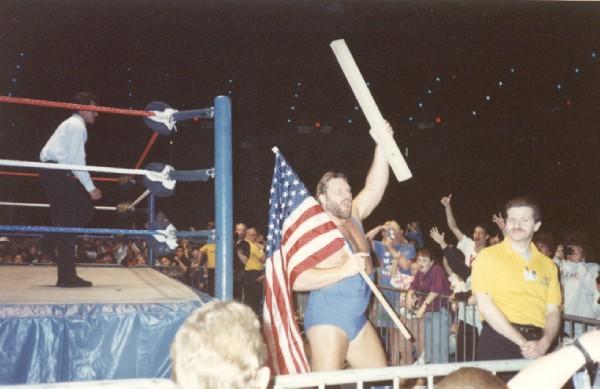
James Stuart Duggan (born January 14, 1954, in Glens Falls, New York) is an American professional wrestler better known by his ring name "Hacksaw" Jim Duggan. He rose to national prominence during the 1980s as a fan favourite in the World Wrestling Federation/Entertainment (WWF/E). Duggan is widely recognized for entering arenas carrying a 2x4 piece of lumber, leading crowds in chants of "U-S-A!" and punctuating promos with his trademark "Hooo!". Basic biographical and career information is available in many published summaries and profiles about his life.
Image gallery
10 Images




Early career and development
Duggan began his professional career in regional wrestling territories, where he developed a reputation as a rugged, straight‑forward brawler. Over the late 1970s and early 1980s he worked for a variety of North American promotions, polishing a persona that emphasized toughness and crowd interaction rather than technical exhibition. For background on the promotions and the era in which he worked, see general promotion histories and regional overviews covering that period and territorial records.
WWF/E peak and headline achievements
Duggan became a regular on the WWF roster during the 1980s, when his patriotic, everyman character connected with television audiences. His most widely noted competitive achievement is winning the inaugural Royal Rumble match in 1988, a milestone often cited in histories of the company and the era. This victory, along with recurring televised feuds and regular appearances, helped cement his profile among mainstream wrestling fans. Event listings and match records document his participation in major televised shows and event archives.
Character, style, and cultural image
Duggan's character—centered on a simple, loud, patriotic presentation—was effective in generating crowd responses. In the ring he favored brawling tactics, power moves and an approach aimed at keeping audience engagement high. The 2x4 prop, flag imagery and chant work made him a memorable figure in the Cold War era of professional wrestling and contributed to his longevity as a nostalgic figure in the sport. Analyses of wrestling personas and fan culture discuss performers like Duggan as examples of accessible, crowd‑oriented characters in broader studies and persona discussions.
Later career, recognition, and health
After his primary run with WWF/E, Duggan continued to wrestle on the independent circuit, make special appearances for WWE and participate in nostalgia tours. In 2011 he was inducted into the WWE Hall of Fame, an acknowledgment of his popular status and long career in the business; the induction was presented by a fellow wrestler and peer and was covered in contemporary reports at the time. In November 2018 Duggan was reported to have been hospitalized and treated in an intensive care unit; public updates were limited and family statements emphasized privacy while fans and colleagues offered support via social media and interviews with outlets and in later summaries.
Notable facts
- Winner of the first Royal Rumble match (1988).
- Trademark entrance carrying a 2x4 and leading "U-S-A" chants.
- Inducted into the WWE Hall of Fame in 2011.
- Career spans major national promotion appearances and extensive independent wrestling work.
- Recognized as a durable character performer whose simple, emphatic presentation remains well known among wrestling fans.
Duggan's legacy in professional wrestling rests on a combination of longevity, a highly recognisable gimmick and an ability to connect directly with crowds. While not typically presented as a technical innovator, he is frequently cited in retrospectives as a key example of 1980s mainstream wrestling entertainment and an enduring popular figure in the sport's memory.
Related articles
Author
AlegsaOnline.com Hacksaw Jim Duggan Leandro Alegsa
URL: https://en.alegsaonline.com/art/122039
Sources
- onlineworldofwrestling.com : "Jim Duggan's Profile"
- imdb.com : "Jim Duggan (II)"
- wwe.com : "Hacksaw Jim Duggan's Bio"
- accelerator3359.com : ""Hacksaw" Jim Duggan's Bio"
- helium.com : "Wrestler profiles: "Hacksaw" Jim Duggan"
- thesportsdaily.com : "WWE Hall Of Famer 'Hacksaw' Jim Duggan Hospitalized In Intensive Care Unit"