
Jimmy Page: English Guitarist, Led Zeppelin Founder and Influential Riff Writer
Jimmy Page, English guitarist and Led Zeppelin founder, acclaimed for iconic riffs, songwriting and production. From Yardbirds session work to Rock Hall double inductee, his playing helped shape modern rock music.
James Patrick Page OBE (born 9 January 1944 in Heston, Middlesex, England) is an English guitarist, songwriter and producer. He first made his name working as a studio session musician in London, before moving into high‑profile group work.
Image gallery
10 Images




Early career and The Yardbirds
During the mid 1960s Page joined The Yardbirds, playing with them from 1966 until the group's dissolution in 1968. His time with the Yardbirds helped establish him as a leading electric guitarist of the British rock scene.
Led Zeppelin and commercial success
After The Yardbirds ended, Page assembled the musicians who became Led Zeppelin. The band achieved international commercial success and became one of the most influential rock groups of the 20th century.
Critical reputation
Music critics and historians frequently cite Page for his influence on rock guitar playing. Publications and reference sites have described him as among the most important guitarists in rock history, and in 2003 Rolling Stone placed him at number nine on its list of "The 100 Greatest Guitarists of All Time".
Interests outside music
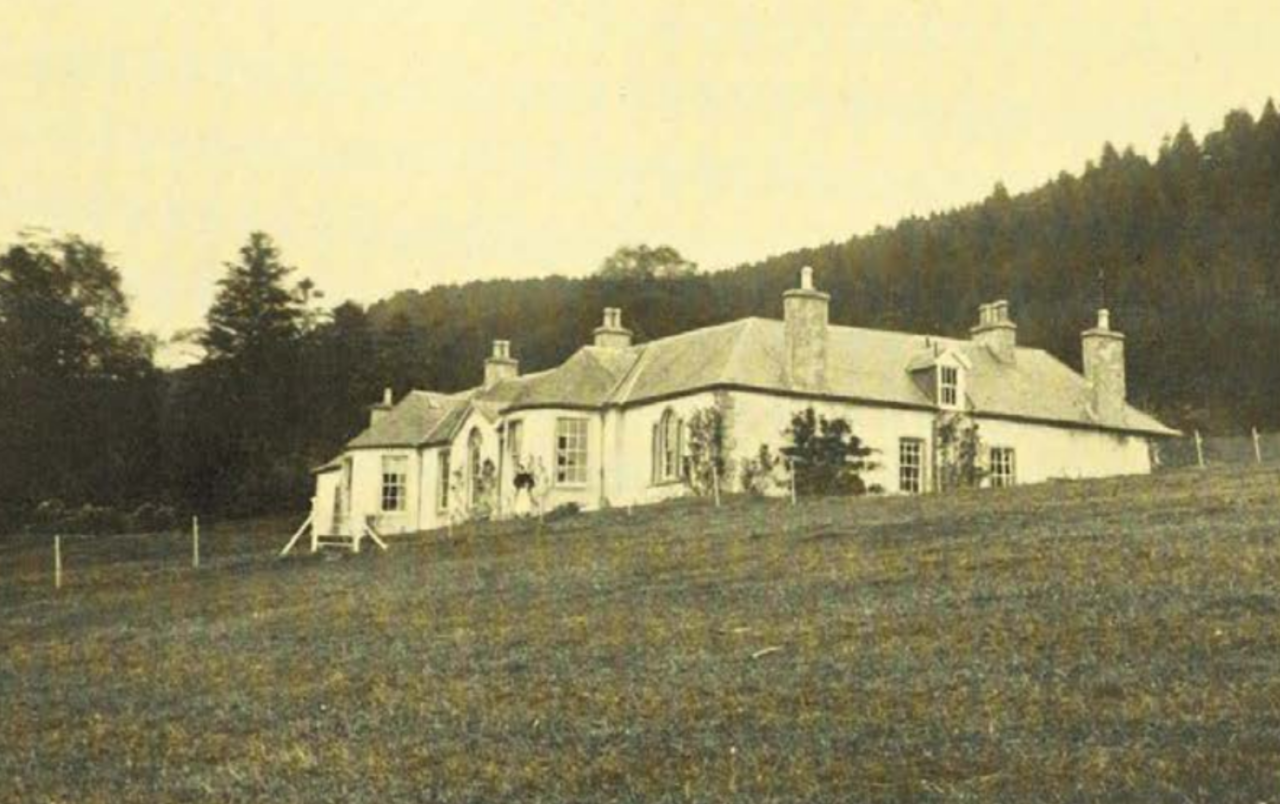
From the early 1970s until the early 1990s Page owned Boleskine House, a property that had once been owned by the occultist Aleister Crowley. Page expressed interest in some of the ceremonial magic and esoteric materials associated with Crowley, a subject that has attracted media attention over the years.
Style and influence
Page is widely praised for his songwriting and for creating memorable guitar riffs. Alongside peers such as Tony Iommi of Black Sabbath, he is often singled out as one of rock music's foremost riff writers.
Honours and recognition
Page's contributions to popular music have been formally recognised: he has been inducted into the Rock and Roll Hall of Fame twice — first in 1992 for his work with The Yardbirds and again in 1995 as a member of Led Zeppelin.
Questions and answers
Q: Who is James Patrick Page?
A: James Patrick Page is an English guitarist, songwriter, and producer.
Q: Where was James Patrick Page born?
A: James Patrick Page was born in Heston, Middlesex, England.
Q: What was James Patrick Page's career before he formed Led Zeppelin?
A: James Patrick Page was a studio session guitarist in London before he formed Led Zeppelin.
Q: What is James Patrick Page's ranking on Rolling Stone Magazine's list of "The 100 Greatest Guitarists of All Time"?
A: James Patrick Page is ranked #9 on Rolling Stone Magazine's list of "The 100 Greatest Guitarists of All Time".
Q: What is the significance of the Boleskine House to James Patrick Page?
A: From the early 1970s to the early 1990s, James Patrick Page owned the Boleskine House, which had previously belonged to occultist Aleister Crowley. Page was interested in the magic that Crowley used.
Q: Who is Jimmy Page often considered one of the greatest riff writers of all time alongside?
A: Jimmy Page is often considered one of the greatest riff writers of all time alongside Tony Iommi of Black Sabbath.
Q: How many times has Jimmy Page been inducted into the Rock and Roll Hall of Fame?
A: Jimmy Page has been inducted into the Rock and Roll Hall of Fame twice - the first time was in 1992 as a member of The Yardbirds and the second time was in 1995 as a member of Led Zeppelin.
Related articles
Author
AlegsaOnline.com Jimmy Page: English Guitarist, Led Zeppelin Founder and Influential Riff Writer Leandro Alegsa
URL: https://en.alegsaonline.com/art/122005
Sources
- theguardian.com : "For sale on Loch Ness: Aleister Crowley's centre of dark sorcery"