
Jennifer Granholm: U.S. Secretary of Energy and former Michigan governor
Jennifer Granholm (born 1959) is a Canadian-born American politician who served as Michigan governor (2003–2011) and has been U.S. Secretary of Energy since 2021, focusing on clean energy and industrial policy.
Overview
Born in Canada in 1959 and later a naturalized American, Jennifer Granholm is a prominent politician and public figure. She served two terms as the Governor of Michigan from 2003 to 2011 and was nominated to be the U.S. Secretary of Energy in the Joe Biden administration. Her confirmation by the United States Senate took place in February 2021.
Image gallery
10 Images


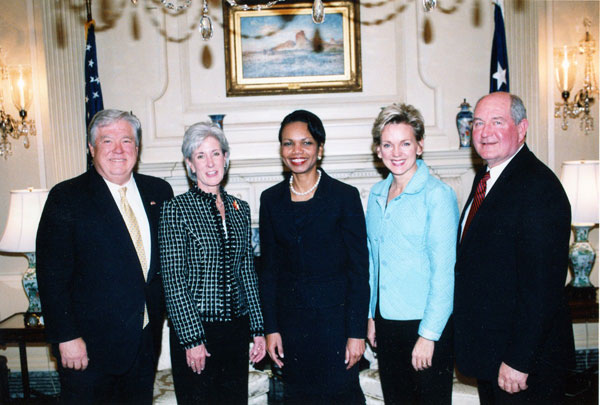


Early life and education
Granholm grew up after childhood years spent between Canada and the United States, having been raised in California. She completed undergraduate and legal studies before beginning a career that blended law, public service and public communication. Her early professional work included legal practice and roles that introduced her to state-level politics.
Political career and offices
Granholm entered statewide office as Michigan's attorney general and later ran for governor in 2002. As governor she focused on economic development, job creation, and responding to industrial and fiscal challenges facing a state with a large manufacturing base. After leaving the governor's office she remained active in public debates about energy, economic policy and workforce training.
Secretary of Energy
As Secretary of Energy, Granholm's portfolio includes oversight of national energy policy, research and development programs, and federal initiatives aimed at modernizing the electricity grid and supporting low-carbon technologies. Her public statements and initiatives have emphasized the intersections of energy, industry and climate, along with concerns such as energy security and community transitions away from fossil fuels.
Roles, emphasis and legacy
- Key roles: state attorney general, two-term governor, cabinet secretary.
- Policy emphasis: economic revitalization, clean energy transition, workforce development.
- Notable facts: one of the more prominent Canadian-born figures in U.S. national politics and the first woman to serve as Michigan's governor; later a member of the president's cabinet.
Granholm's career bridges state and federal government and spotlights the changing priorities of American energy and industrial policy in the 21st century. For further background and primary sources, see official biographies and public records linked by the cited references.
Related articles
Author
AlegsaOnline.com Jennifer Granholm: U.S. Secretary of Energy and former Michigan governor Leandro Alegsa
URL: https://en.alegsaonline.com/art/121798