
Jeanne Demessieux — French organist, teacher and composer
Jeanne Demessieux (1921–1968) was a French organist and composer celebrated for virtuoso technique, improvisation, recordings and a concentrated output of organ and liturgical works.
Overview
Jeanne Demessieux (born 13 February 1921 in Montpellier, France; died 11 November 1968 in Paris) was a leading French organist, teacher and composer of the mid‑20th century. She built an international career as a recitalist and recording artist and was widely admired for formidable pedal technique, clear articulation and a wide repertory ranging from Baroque masters to contemporary works.
Image gallery
1 Image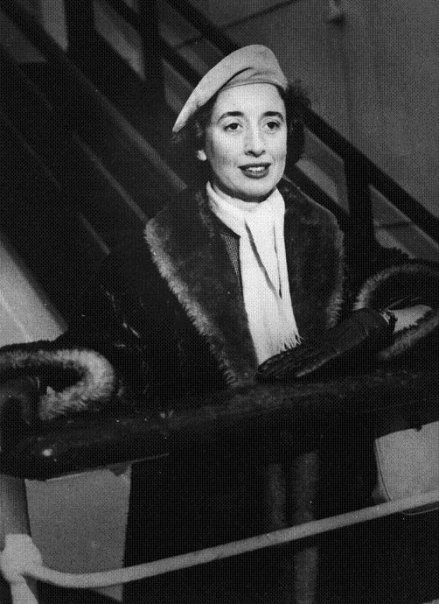
Education and formation
Demessieux received her early musical education in her native region and continued studies in Paris with prominent pedagogues of the period. Her training emphasized counterpoint, harmony, improvisation and organ repertoire. These elements shaped both her concert interpretations and her compositional approach.
Career and recordings
As a concert organist she performed frequently in European venues and on radio broadcasts, presenting programs that juxtaposed established masterpieces with lesser known or new works. She made several influential recordings that contributed to the dissemination of organ literature in the postwar decades and that remain of interest to performers and scholars.
Compositions and musical style
Demessieux's compositional output is relatively modest and concentrated largely on organ pieces and liturgical items. Her works often combine formal clarity with richly colored modal harmonies and exploit the textural possibilities of the large concert organ. She wrote études and short concert pieces that serve both pedagogical and recital purposes.
Technique, improvisation and teaching
She was particularly noted for improvisatory skill and a demanding pedal technique that allowed for virtuosic writing and performance. In addition to performing and composing, Demessieux taught and influenced a generation of students through recitals, masterclasses and recordings.
Legacy
Today Demessieux is remembered as one of the important French organ virtuosi of her era. Her recordings and compositions continue to be used by organists seeking repertoire that balances technical challenge with musical substance. For biographical details, discographies and scholarly studies, consult institutional profiles and specialist organ literature resources such as a general organist profile or a dedicated composer overview.
Representative aspects
- Repertoire: spanning Baroque, Romantic and contemporary works.
- Skills: celebrated for improvisation and advanced pedal technique.
- Output: organ compositions, liturgical pieces and pedagogical works.
Further research in national music archives, conservatory catalogues and authoritative discographies will provide detailed listings of her compositions and recordings. Library and archival catalogues usually contain the most reliable primary documentation for performers and scholars interested in her life and work.
Related articles
Author
AlegsaOnline.com Jeanne Demessieux — French organist, teacher and composer Leandro Alegsa
URL: https://en.alegsaonline.com/art/121673