
Jean-Baptiste de La Salle
French priest and educational reformer (1651–1719), founder of the Institute of the Brothers of the Christian Schools and pioneer of teacher training and modern pedagogy.
Overview
Jean-Baptiste de La Salle (30 April 1651 – 7 April 1719) was a French priest and educational innovator who established a religious institute devoted to the schooling of the poor and to the professional formation of teachers. Born in Reims, France, he combined pastoral ministry with practical reforms aimed at making education more widely accessible and better organized. He is widely remembered as the founder of the Institute of the Brothers of the Christian Schools and as an early architect of what became modern teacher training.
Image gallery
5 Images
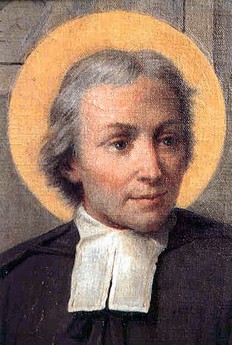


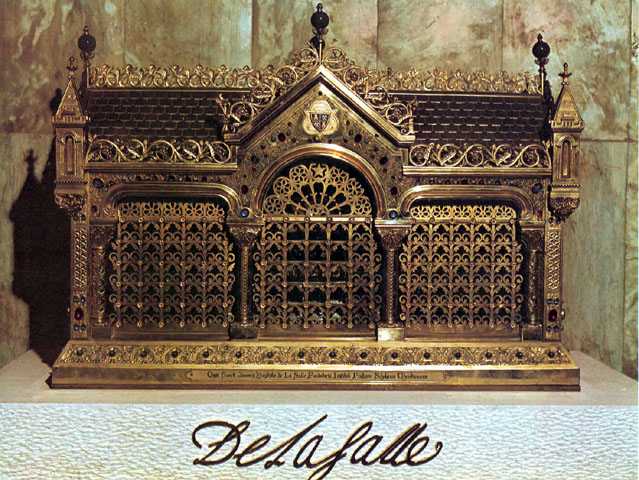
Life and formation
Ordained a priest on 9 April 1678, La Salle completed his theological studies before assuming responsibilities both for parish work and for family affairs after the death of his parents. He earned a doctorate in theology soon after ordination and used his academic background to shape a systematic approach to schooling. Over the following decades he organized teachers into a communal institute, developed school routines and curricula, and insisted on training those who taught rather than relying solely on charitable volunteers.
Educational ideas and practices
La Salle introduced several practical measures that distinguished his schools from many contemporaries. He emphasized instruction in the vernacular, structured classroom management, and regular teacher formation. Rather than leaving instruction to untrained helpers, he promoted a corps of dedicated lay teachers and brothers who received ongoing supervision and pedagogy-oriented preparation.
- Systematic teacher training, often credited as an early form of the normal school.
- Organization of classes and lesson planning to teach larger groups efficiently.
- Integration of moral and religious instruction with basic literacy and numeracy.
- Administrative rules and a community life for teachers to foster consistency.
Legacy and influence
De La Salle's work had a lasting effect on Catholic and secular education. His institute spread from France to other countries and established schools that prioritized preparation of teachers as a profession. Historians of education cite him as an important pedagogical thinker whose practical reforms anticipated later developments in public schooling and teacher education. In ecclesiastical recognition of his contributions he was beatified and later canonized — actions promulgated under Pope Leo XIII — which helped to promote his spiritual and educational model throughout the Catholic world.
Notable distinctions and continued relevance
La Salle is often singled out for combining pastoral concern for poor children with an administrative sensibility that professionalized teaching. The Brothers of the Christian Schools remain active in many countries, running primary and secondary schools and teacher-training programs. Contemporary educators refer to his emphasis on preparation, classroom order, and inclusive schooling as precursors of modern educational administration and teacher education.
See also: histories of teacher training, Catholic education in the Early Modern period, and the ongoing work of La Sallian educational communities.
Related articles
Author
AlegsaOnline.com Jean-Baptiste de La Salle Leandro Alegsa
URL: https://en.alegsaonline.com/art/121618