
Jean-Baptiste Lully: Architect of French Baroque Opera and Court Music
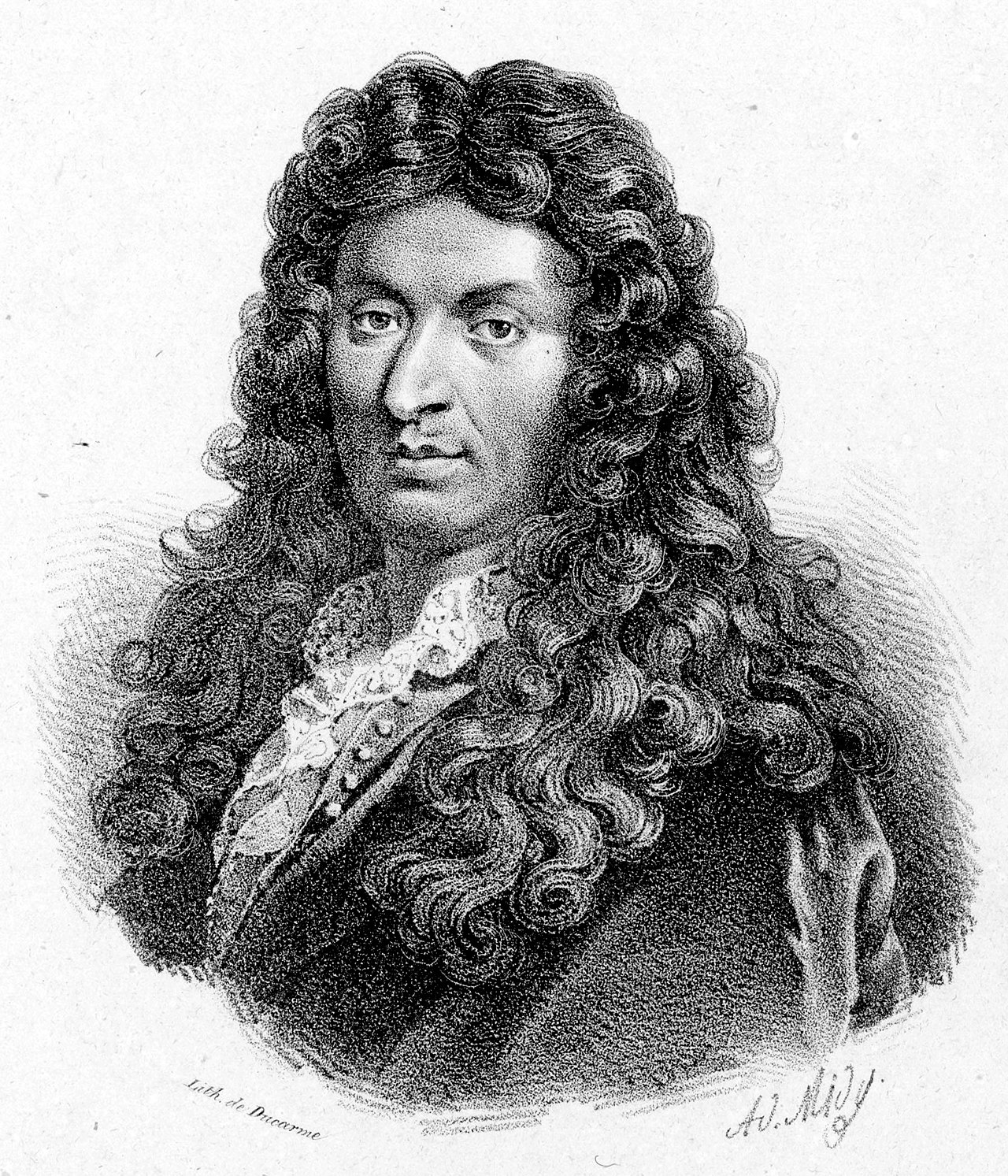
Italian-born Jean-Baptiste Lully (1632–1687) was a leading composer, violinist and dancer at the court of Louis XIV who shaped French opera, ballet music and royal sacred music.
Jean-Baptiste Lully (born Giovanni Battista Lulli, 28 November 1632 in Florence; died 22 March 1687 in Paris) was an Italian-born musician who became the dominant figure in French musical life under Louis XIV. He took French citizenship in 1661 and established himself as a celebrated composer, court violinist and dancer, directing music for royal spectacles and religious services.
Image gallery
9 Images



Musical style and innovations
Lully adapted Italian models to fit the rhythms and inflections of the French language rather than simply importing Italian opera wholesale. He helped create the tragédie en musique, a uniquely French operatic genre that blended recitative, airs, choral writing and extended dance sequences. He also codified the French overture—a slow, dotted-rhythm introduction followed by a faster imitative section and a final return to the opening material—which became a widely copied formal device.
Works and collaborations
Lully wrote stage works, ballets and sacred music. His stage pieces included full-length operas and the comédie-ballets he produced with the playwright Molière. Notable stage works are often cited among his most important contributions:
- Cadmus et Hermione (often dated as one of the earliest French operas)
- Atys (frequently called "the king's opera")
- Armide and Alceste (major tragédies en musique)
- Comédie-ballets such as Le Bourgeois Gentilhomme and Le Malade imaginaire, created with Molière
Court career and sacred music
As director of the king's music and later head of the royal opera institution, Lully exercised great control over stage productions, musicians and repertoire. He produced grand motets and other works for the chapelle royale, contributing to the liturgical sound of the French court. His organizational practices shaped how orchestras and court ensembles were run in France.
Death and legacy
Lully's life ended after he injured his foot while beating time with his conducting staff; the wound became infected and he died in 1687. His influence on the sound and structure of French Baroque music was profound: he set standards for operatic declamation, integrated ballet into theatrical music, and established formal types and ensemble arrangements copied by later composers. Successors and admirers in France and beyond drew on his models for opera, ballet and sacred composition, securing his place as a pivotal figure in the history of French music.
Characteristics and notable facts
- Adaptation of vocal writing to the French language and its prosody.
- Integration of dance and instrumental music into the operatic whole—important for the development of the ballet and stage spectacle.
- Creation and popularization of the French overture and of a national operatic tradition.
- Close collaboration with playwrights and poets to shape drama and musical rhetoric.
For further reading on performance practice and Lully's specific works see specialized studies and catalogues of 17th-century French music, editions of his operas, and modern recordings and reconstructions that aim to present his music in historically informed performance contexts. Violin technique, court dance practices and royal patronage all played roles in his career and continue to interest scholars and performers today (dance, citizenship, and institutional histories are useful entry points).
Though his methods sometimes invited controversy among contemporaries, Lully's consolidation of composition, production and administration at court left an enduring institutional and artistic legacy that shaped the Baroque era in France and beyond.
Questions and answers
Q: Who was Jean-Baptiste Lully?
A: Jean-Baptiste Lully was an Italian composer, violinist, and dancer who worked in the court of Louis XIV of France. He became a French national in 1661.
Q: When was Jean-Baptiste Lully born and when did he die?
A: Jean-Baptiste Lully was born on November 28, 1632, in Florence, Italy and died on March 22, 1687, in Paris, France.
Q: What was Jean-Baptiste Lully's contribution to music?
A: Lully realized that Italian music was not suitable for the French language, so he composed operas in a special way that created the tradition of French opera. Additionally, he wrote a lot of ballet music and some church music.
Q: What was Jean-Baptiste Lully's nationality?
A: Jean-Baptiste Lully was originally Italian but became a French national in 1661.
Q: What kind of music did Jean-Baptiste Lully compose?
A: Jean-Baptiste Lully composed operas, ballet music, and some church music. He is most known for creating the tradition of French opera.
Q: What was the significance of Jean-Baptiste Lully's contribution to French opera?
A: Jean-Baptiste Lully's created the tradition of French opera due to his realization that Italian music was not suitable for the French language.
Q: What instruments did Jean-Baptiste Lully play?
A: Jean-Baptiste Lully played the violin and was also a dancer.
Related articles
Author
AlegsaOnline.com Jean-Baptiste Lully: Architect of French Baroque Opera and Court Music Leandro Alegsa
URL: https://en.alegsaonline.com/art/121620
Sources
- glbtq.com : Lully, Jean-Baptiste (1632-1687)