
Jasper Johns — American painter, printmaker, and influential contemporary artist
Overview of Jasper Johns (born 1930), his techniques, major works such as Three Flags, historical context, influence on postwar art, and key characteristics of his practice.
Overview
Jasper Johns (born May 15, 1930, in Augusta, Georgia) is an American artist whose work in painting, printmaking and sculpture has been central to postwar art. Emerging in the mid-1950s, Johns challenged the prevailing dominance of Abstract Expressionism by returning to recognizable motifs — flags, targets, numbers and maps — rendered with novel materials and an emphasis on surface and process.
Image gallery
1 Image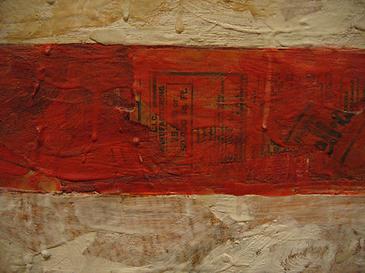
Characteristics and techniques
Johns is known for his experimental approach to materials. He often used encaustic (pigmented wax), oil, collage and found objects to build layered, textured surfaces. His prints employ a wide range of techniques, including lithography, etching and screen printing. These choices emphasize facture and the physical presence of an image: ordinary symbols become objects rather than mere representations.
Notable works and examples
- Flag (mid-1950s): one of the earliest and most discussed examples of Johns's interest in everyday emblems.
- Three Flags (1958): a stacked, scale-shifted repetition of the American flag that highlights materiality and perception.
- Series of targets, numbers and maps: repeated motifs that explore variation, seriality and the tension between sign and image.
History and development
Johns moved to New York in the 1950s, where he became associated with a loose circle of artists and poets who questioned prevailing artistic orthodoxies. His early public recognition helped open paths toward Pop Art, Neo-Dada and Minimalist tendencies by encouraging artists to reconsider ordinary imagery and the relationship between object and symbol.
Influence and distinctions
Johns's emphasis on familiar signs and the tactile quality of paint altered how later generations think about representation and material. Critics cite his work as a bridge between emotional abstraction and conceptual strategies that followed. He has worked across media and collaborated with print studios and other artists to expand the technical possibilities of image-making.
Further reading
For a concise biography and a survey of major works see biography and timeline, and for collections of prints and technical discussions consult print and technique resources.
Related articles
Author
AlegsaOnline.com Jasper Johns — American painter, printmaker, and influential contemporary artist Leandro Alegsa
URL: https://en.alegsaonline.com/art/121563
Sources
- artinfo.com : Artist Dossier: Jasper Johns