
Javier Krahe — Spanish singer-songwriter and satirical performer
Javier Krahe (1944–2015) was a Spanish singer-songwriter known for ironic, cabaret-style songs, collaborations with Joaquín Sabina and Alberto Pérez, and his role in post‑Franco cultural satire.
Javier Krahe de Salas (1944–2015) was a Spanish singer-songwriter and performer whose work combined black humour, irony and a conversational vocal style. Over a career spanning several decades he became a distinctive presence in Spain’s musical and cultural life, often associated with cabaret settings, spoken-word introductions and songs that blend poetry with social and political commentary.
Image gallery
1 Image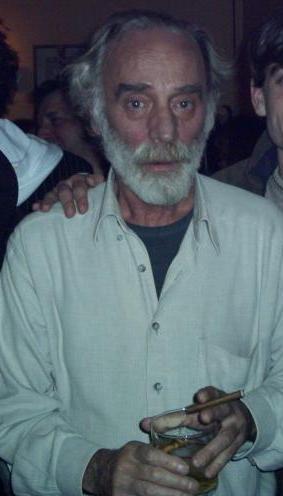
Musical style and themes
Krahe favored intimate arrangements and clear diction, placing emphasis on lyrics rather than virtuosic instrumentation. His songs commonly mix wit and moral observation, often addressing hypocrisy, power and everyday oddities with a dry, sometimes cynical tone. He drew on traditions of chanson and cabaret, delivering material that could be humorous, unsettling or thought-provoking depending on the topic.
Career highlights
After completing his military service he forged a creative friendship with Joaquín Sabina and Alberto Pérez; the three performed together in a format that was captured on the live recording La mandrágora, which helped introduce their work to a wider audience. Krahe also appeared on television and in stage shows, and contributed to programs such as the TVE series "Si yo fuera presidente". He maintained an active concert life, often performing in small clubs and theatres where the intimacy of the setting suited his style.
Legacy and notable facts
- Recognized for his precise lyrics and satirical voice, Krahe influenced a generation of Spanish singer-songwriters who balanced social critique with irony.
- His performances emphasized storytelling and direct address, making his concerts feel like an exchange between performer and audience.
- He died of a heart attack while on holiday in Zahara de los Atunes, Cádiz, on 12 July 2015; contemporary news reports covered his passing and the reaction from the cultural community (news link).
Although he never sought mainstream pop stardom, Krahe’s body of work is remembered for its literary quality and its commitment to a form of song that values message and personality. His songs remain part of discussions about post‑transition Spanish culture and the role of satire in public life.
Related articles
Author
AlegsaOnline.com Javier Krahe — Spanish singer-songwriter and satirical performer Leandro Alegsa
URL: https://en.alegsaonline.com/art/121572
Sources
- eluniversal.com.co : "Vida y milagros de Javier Krahe"
- cultura.elpais.com : "Muere Javier Krahe"