
Jan van Riebeeck: Dutch colonial administrator and founder of Cape Town
Jan van Riebeeck (1619–1677) led the Dutch East India Company's 1652 establishment at Table Bay that became Cape Town; his actions shaped the early Cape Colony and remain a subject of historical debate.
Overview
Johan Anthoniszoon "Jan" van Riebeeck (21 April 1619 – 18 January 1677) was a Dutch naval officer and colonial administrator best known for establishing a refreshment station at Table Bay in 1652 that developed into modern Cape Town. He operated under the authority of the Dutch East India Company, a major trading and colonial organization of the 17th century, and his work marked the start of sustained European settlement in what is today South Africa.
Image gallery
7 Images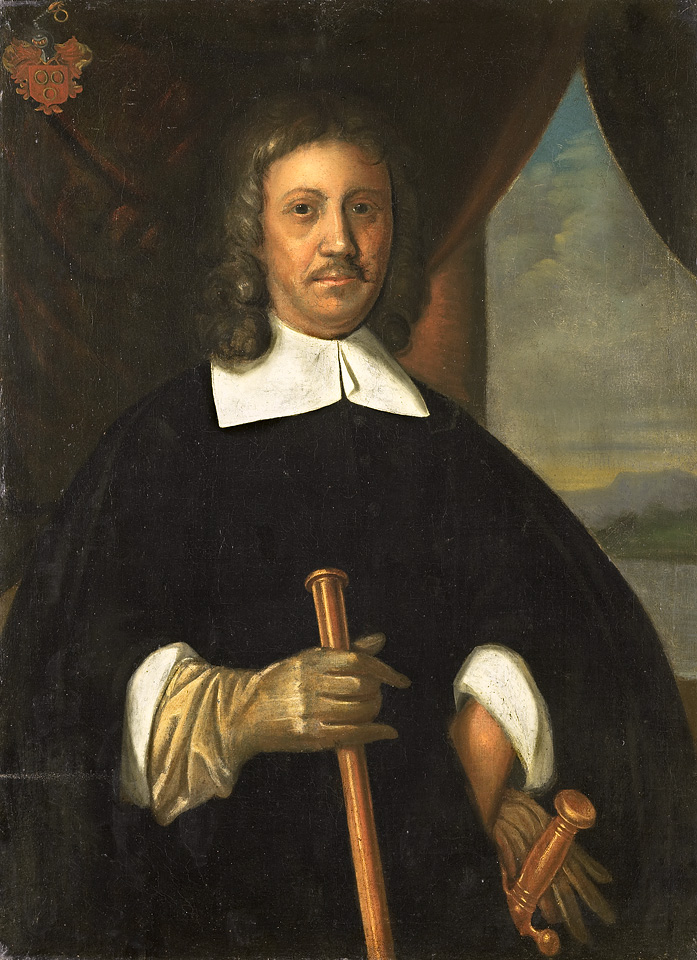


Role and activities
Van Riebeeck arrived with a small party to found a fortified post to supply passing VOC ships with fresh water, vegetables and meat. He organized early fortifications, planted gardens, introduced agricultural practices suited to the bay, and directed logistics for the station. The settlement grew from a military and supply outpost into a permanent colonial foothold as more settlers, workers and enslaved people were brought in to support its needs.
Historical context
The decision to establish a station at Table Bay reflected long-distance maritime trade routes between Europe and Asia in the age of sail. The VOC sought secure places where its fleets could reprovision on the long route to the East Indies. Van Riebeeck's arrival thus fit a broader pattern of European powers creating coaling, victualling and repair stations along strategic sea lanes.
Legacy and significance
Van Riebeeck is often cited as the founder of Cape Town and his name appears in many histories of the Cape Colony. His actions shaped early colonial administration, land use, and patterns of settlement. At the same time, his legacy is contested: the expansion of European settlement disrupted indigenous societies, led to conflict with Khoikhoi communities, and involved the introduction of slavery and imported labour, outcomes that are central to modern debates about colonialism and memory.
Notable facts
- He established the initial fort and gardens that enabled ships to resupply.
- His tenure set administrative precedents used by later governors of the Cape.
- Modern scholarship treats his role as foundational but historically complex and contested.
For more detailed study, consult primary sources and modern histories that examine VOC records, material culture, and indigenous perspectives to understand the multifaceted effects of van Riebeeck's settlement on the region's subsequent history.
Related articles
Author
AlegsaOnline.com Jan van Riebeeck: Dutch colonial administrator and founder of Cape Town Leandro Alegsa
URL: https://en.alegsaonline.com/art/121499
Sources
- books.google.com : Jan van Riebeeck tussen wal en schip: een onderzoek naar de beeldvorming over Jan van Riebeeck in Nederland en Zuid-Afrika omstreeks 1900, 1950 en 2000