
Jamil Mahuad
Ecuadorian lawyer and politician who served as president from 1998 to 2000; known for economic reforms, the dollarization plan and his removal during a 2000 uprising.
Jorge Jamil Mahuad Witt (born July 29, 1949) is an Ecuadorian lawyer and politician who served as the 51st President of Ecuador from August 10, 1998 to January 21, 2000. Born in Loja, he trained in law and completed further studies at Harvard University. Before becoming president he held public office at both municipal and national levels, including service in Quito's municipal government.
Image gallery
2 Images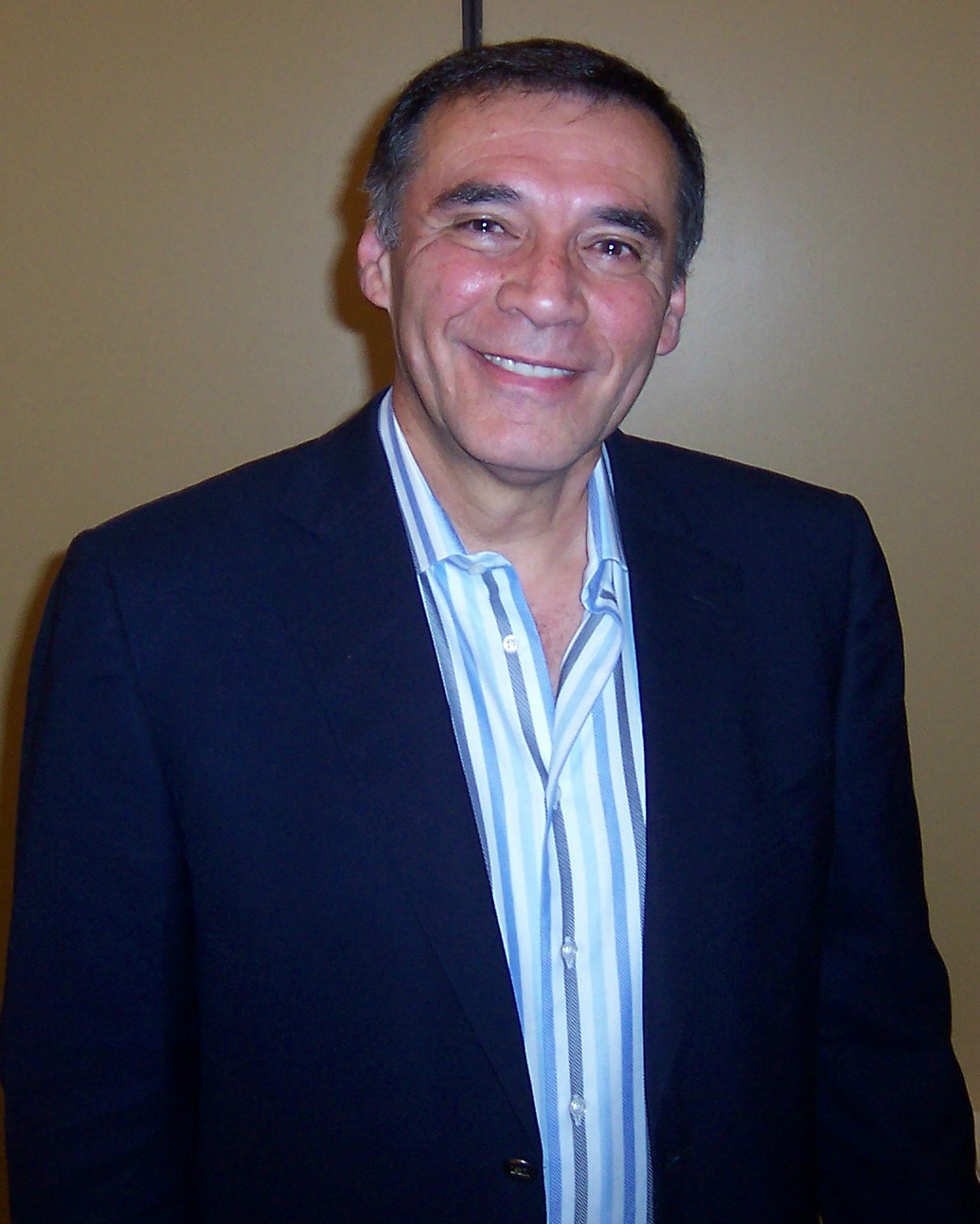

Overview of his presidency
Mahuad led Ecuador during a period of acute economic and social stress. His administration confronted a banking crisis, fiscal shortfalls and sharp currency depreciation. To address these problems he proposed a package of structural reforms that included fiscal austerity measures, banking sector changes and steps to stabilize the currency. His tenure is most widely remembered for initiating a process that replaced the national currency, the sucre, with the United States dollar.
Major actions and challenges
- Economic reforms: introduced policies intended to restore confidence in the banking system and attract foreign investment.
- Dollarization: announced plans to adopt the U.S. dollar as the official currency to halt runaway inflation and stop capital flight; implementation was rapid and controversial.
- Political unrest: measures prompted widespread protests and strong opposition from social movements, indigenous organizations and parts of the military.
On January 21, 2000, a combination of street demonstrations and military intervention removed Mahuad from office; he was succeeded by his vice president, Gustavo Noboa. The abrupt end to his government reflected deep public dissatisfaction with the economic impact of the crisis and the political costs of the stabilization program.
Aftermath and legacy
Mahuad's record remains contested. Supporters credit his administration with taking decisive steps that eventually stabilized the economy and ended the hyperinflationary episode. Critics argue the reforms produced severe short-term social pain and that the political handling of the crisis intensified instability. His presidency is frequently studied as a case of crisis management, currency reform and the complex interplay between economic policy and popular legitimacy in contemporary Latin America.
Notable facts: he was born in Loja in 1949, trained as a lawyer, and his presidency is a reference point in discussions about dollarization, financial sector rescue, and citizen protest movements in the region.
Related articles
Author
AlegsaOnline.com Jamil Mahuad Leandro Alegsa
URL: https://en.alegsaonline.com/art/121408