
James Forrestal
American financier and government official; served as Secretary of the Navy and the first U.S. Secretary of Defense, influential in post‑World War II military organization and early Cold War policy; died in 1949.
Overview
James Vincent Forrestal was an American financier and senior government official who played a central role in organizing U.S. military policy after World War II. Born on February 15 in 1892, he rose from a private‑sector career into top national security posts. He served as Secretary of the Navy during the closing years of the war and later became the first United States Secretary of Defense under the postwar national security reorganization.
Image gallery
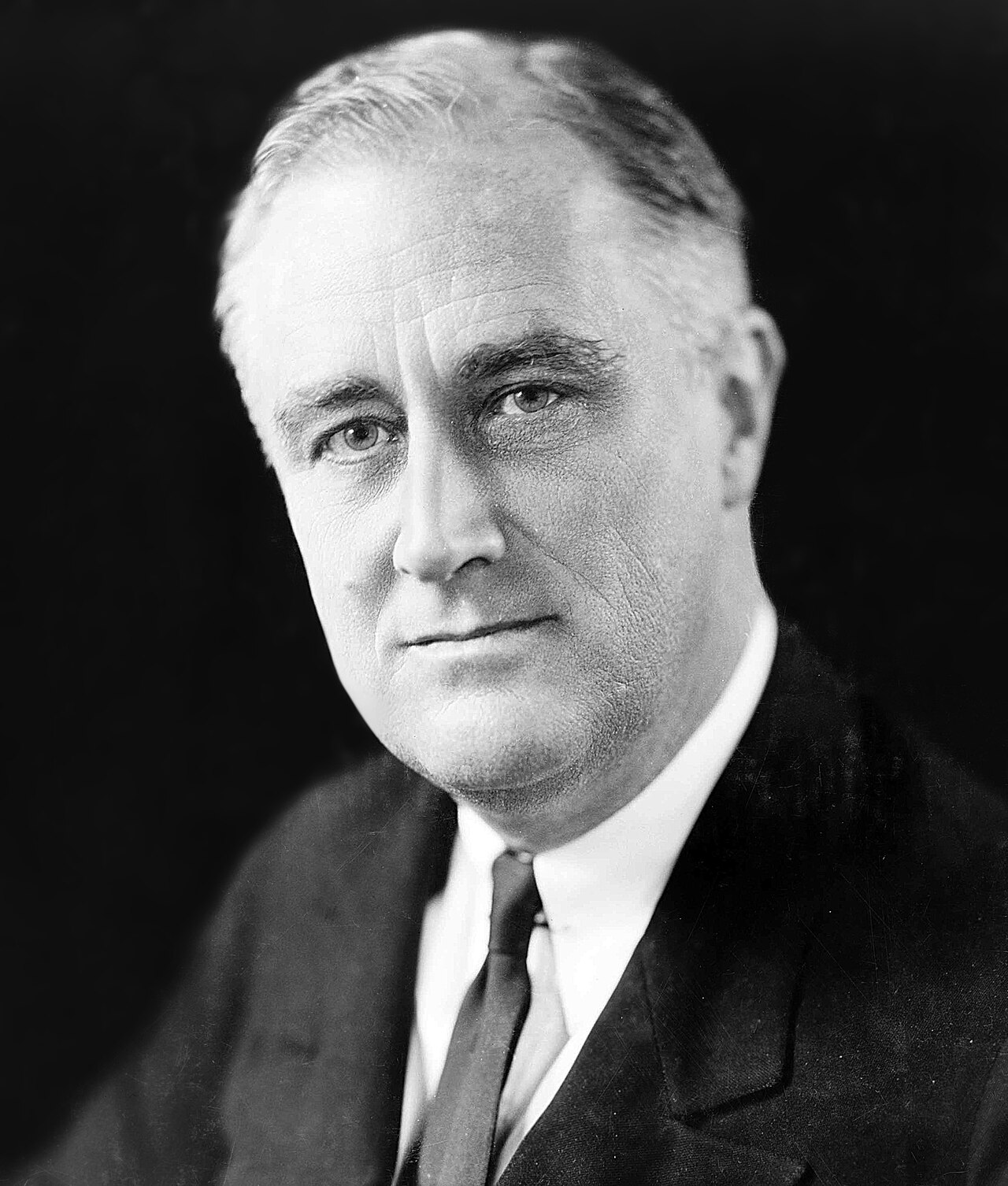
10 Images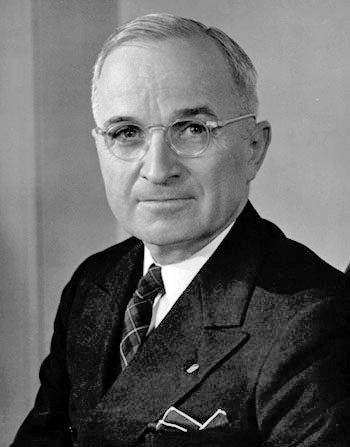



Early career
Before entering public service, Forrestal worked in finance and was associated with prominent investment firms. His business background and connections helped him move into wartime administration and civil service roles, where he took on responsibilities related to naval construction, procurement, and postwar demobilization. His experience in both private industry and government shaped his belief in strong coordination between civilian leadership and military organization.
Government service and policies
Forrestal led the Navy at a time when the United States was transitioning from global war to peacetime readiness. He was an advocate for maintaining a capable postwar military and for creating structures that would allow coordinated planning among the services. The institutional change that created his later office was driven by the National Security Act of 1947, which unified several national security functions. He left the Defense post in early 1949 after serving through a turbulent period of reorganization and emerging Cold War tensions.
Legacy and death
Forrestal's tenure is remembered for helping to shape the modern American defense establishment. His career also became associated with controversy and intense political debate over strategy, budgets, and civilian control of the military. He died on May 22, 1949, while still in the public eye; his death prompted discussion of the pressures faced by senior officials during that era. Several government buildings and memorials have since commemorated his role in mid‑20th century defense policy.
Notable facts
- Held top leadership positions during and after World War II.
- Was the first occupant of the unified Secretary of Defense post created in 1947.
- Associated with early Cold War institutional reforms and debates about civil‑military relations.
Related articles
Author
AlegsaOnline.com James Forrestal Leandro Alegsa
URL: https://en.alegsaonline.com/art/121293