
James Cagney: life and career of an American screen star
Comprehensive overview of James Cagney — his life, signature roles, acting style, awards including his Academy Award, and his lasting influence on American cinema.
James Cagney (1899–1986) was a prominent figure in the American film world whose energetic presence, rapid-fire delivery and dancing ability made him a distinctive screen personality. He worked across genres — from gritty crime dramas to patriotic musicals — and became widely identified by the public by his nickname, "Jimmy" Cagney. Over a long career he earned major industry recognition and remains a touchstone for studies of 20th-century screen acting.
Image gallery
10 Images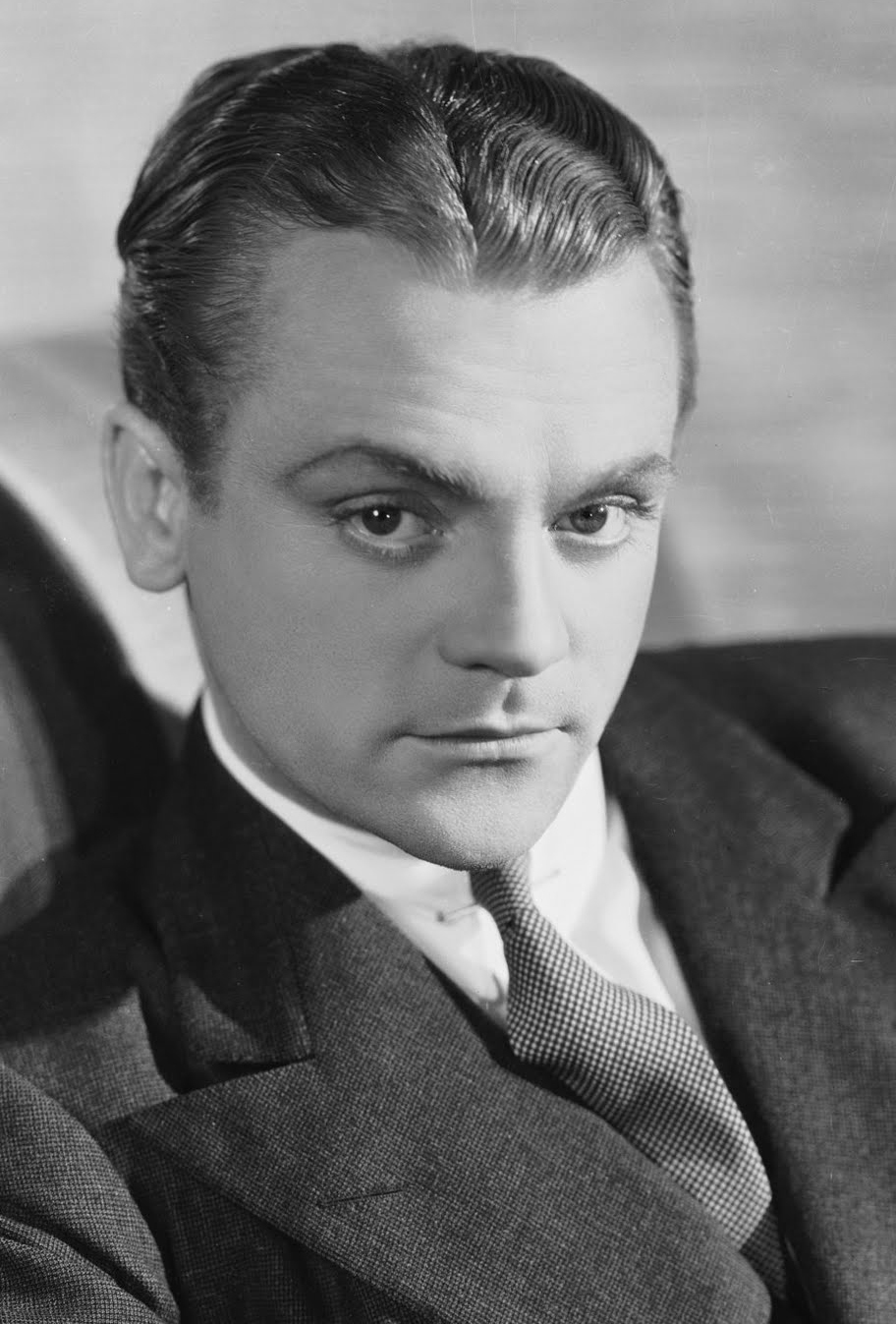



Early life and training
Born in New York City, Cagney began performing in vaudeville, on stage and in athletic dance acts, experiences that shaped his physical and rhythmic approach to performance. Those early years provided practical training in timing, voice control and showmanship, skills he carried into motion pictures and that set him apart from many of his contemporaries in the studio era.
Career and signature roles
Cagney rose to prominence in the 1930s and became particularly associated with tough, fast-talking characters in crime films, though he also demonstrated warmth and comic timing in musicals and patriotic pictures. His range included muscular drama, sharp comedy and elaborate song-and-dance sequences, and he was comfortable switching between screen types as projects demanded.
- Early and breakthrough roles that established his tough-guy image in the gangster cycle.
- Musical and patriotic portrayals that highlighted his dancing and singing abilities, most famously his lead in Yankee Doodle Dandy.
- Later dramatic turns that explored more complex, volatile characters.
Style, influence, and comparisons
Cagney combined a muscular, athletic physicality with a precise vocal rhythm; critics and audiences praised his ability to convey energy without losing control. His career is often compared with other major contemporaries — for example, actors such as James Stewart — because both became familiar and beloved public figures whose screen personas carried into their off-screen reputations.
Film historians note Cagney's impact on acting styles in the studio era and beyond: his blend of naturalism, stage-born technique and star charisma influenced later generations of performers and remains a subject of study in film schools and retrospectives.
Awards, honors and legacy
He received top industry honors, including the Academy Award for Best Actor for his performance in Yankee Doodle Dandy, and recognition from film institutions. Institutions such as the American Film Institute have included him among the era's most important performers; in 1999 AFI ranked him on its list of prominent screen stars (Greatest Male Stars).
Cagney's professional life also illustrates the evolving relationship between actors and the studio system. He pushed for better contracts and greater artistic control at times, a path that foreshadowed later shifts in Hollywood labor and creative practices. His work remains in rotation in retrospectives and classic film programming and continues to be referenced in discussions of screen performance and star-making in American cinema.
For further reading and archival materials, see dedicated biographies and film archives that document his stage origins, filmography and public reception over decades of work in motion pictures and theater. Contemporary overviews and curated lists also provide accessible introductions to his most celebrated films and contributions.
Additional resources: selected filmography, biographical profiles, and institutional pages on awards and cultural impact (award records).
Related articles
Author
AlegsaOnline.com James Cagney: life and career of an American screen star Leandro Alegsa
URL: https://en.alegsaonline.com/art/121260