
Jack Doepke (actor)
American actor best known for portraying Ronald McDonald in McDonald's commercials during the 1990s; later retired from acting and worked in technical roles.
Overview
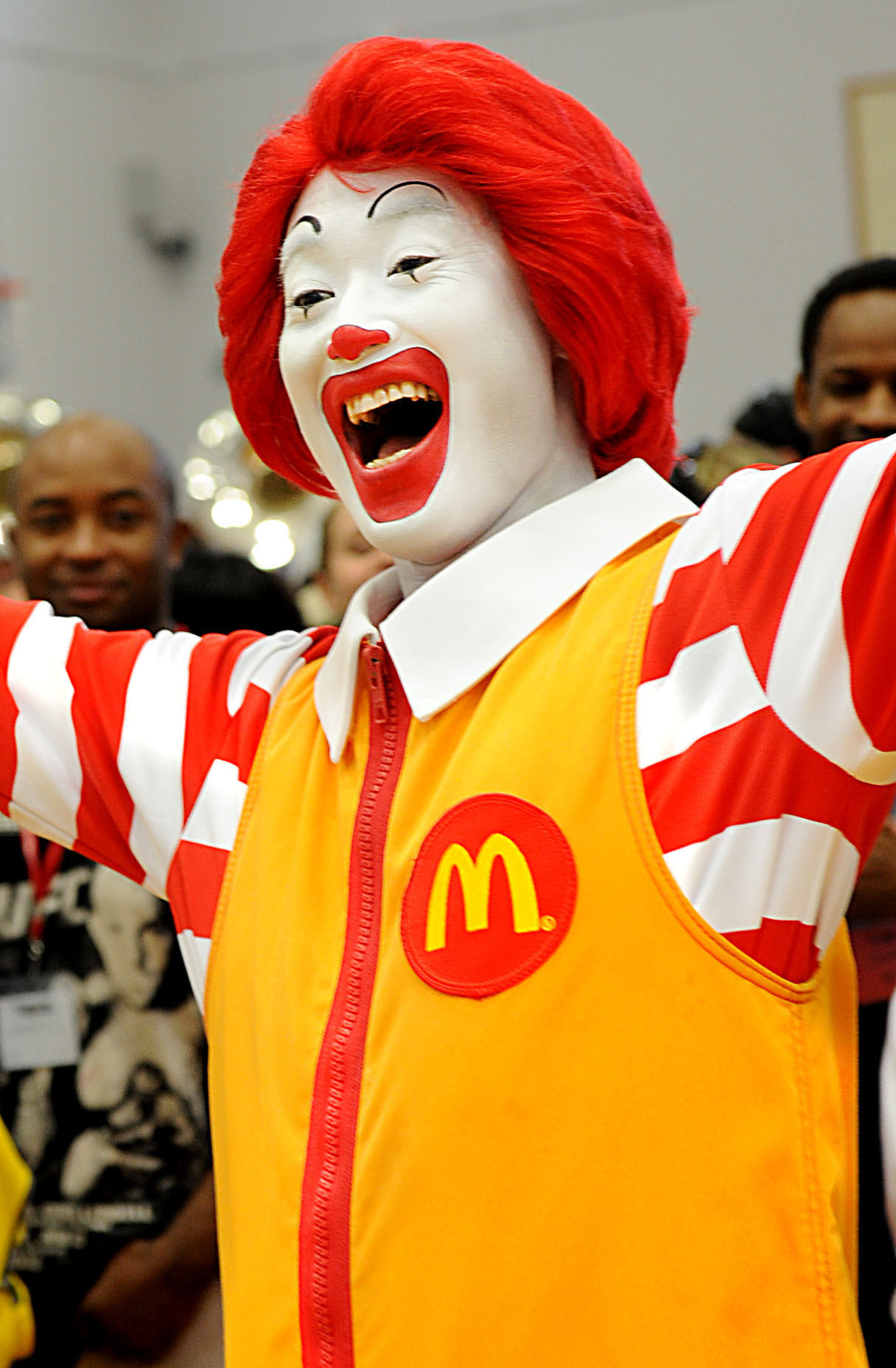
Bruce William Deopke (born March 15, 1950), professionally known as Jack Doepke, is an American retired actor most widely recognized for playing the fast-food mascot Ronald McDonald in televised and video productions during the 1990s. His work in that role made him a familiar face to children and families in the United States and contributed to the continuing popularity of the character in advertising and branded entertainment.
Image gallery
4 Images


Career and notable portrayal
Doepke portrayed Ronald McDonald in commercials and direct-to-video productions between 1991 and 1999. He succeeded Squire Fridell and embodied the clown's cheerful, family-friendly persona in both short television spots and longer promotional videos aimed at young audiences. His performance emphasized slapstick, warm storytelling, and an approachable, playful demeanor typical of the character's modern iterations.
Characteristics of the role
- Visual identity: the role retained Ronald's classic costume and makeup, balancing a timeless look with contemporary presentation for 1990s viewers.
- Performance style: physical comedy, simple moral stories, and engaging directly with child actors and child-friendly scenarios.
- Media formats: television commercials, promotional spots, and family-oriented video releases connected to the McDonald's brand.
Later life and other work
After leaving the role of Ronald McDonald and stepping away from regular acting work, Doepke transitioned into technical and support work outside the entertainment industry. Sources indicate he later worked as a programmer-technician, applying analytical and technical skills in a nonperforming capacity. This kind of career change is not uncommon among performers who move into adjacent fields where technical aptitude and problem-solving are valuable.
Legacy and context
Doepke's tenure as Ronald McDonald occurred during a period when national mascots remained strong marketing tools for large consumer brands. His portrayal contributed to a multi-decade continuity of the character and remains part of the larger history of branded entertainment and fast-food advertising. For those researching the evolution of advertising mascots or the history of McDonald's' family-oriented campaigns, Doepke's era is a clear example of how companies used recurring characters to maintain audience familiarity and trust.
Selected facts: he performed the role through most of the 1990s, succeeded an earlier actor in the role, and later pursued technical work after retiring from acting. For more on the character and corporate campaigns, see primary sources and company archives referenced by advertising histories.
Related articles
Author
AlegsaOnline.com Jack Doepke (actor) Leandro Alegsa
URL: https://en.alegsaonline.com/art/121117
Sources
- chisagocountypress.com : "Putting the public back in cable T.V. public access - Chisago County Press"