
Jürgen Moltmann: German Theologian of Hope and Political Theology
Overview of Jürgen Moltmann, his theological themes (hope, crucifixion, Trinity), biography, major works, influence on contemporary theology, and notable honors.
Jürgen Moltmann is a prominent German Reformed theologian and public intellectual known for reshaping post‑war Christian thought. Born in Hamburg, he became Professor Emeritus of Systematic Theology at the University of Tübingen. Moltmann's work connects doctrinal reflection with social and political concerns, aiming to make theology speak to hope, suffering, and the possibilities for human community.
Image gallery
2 Images
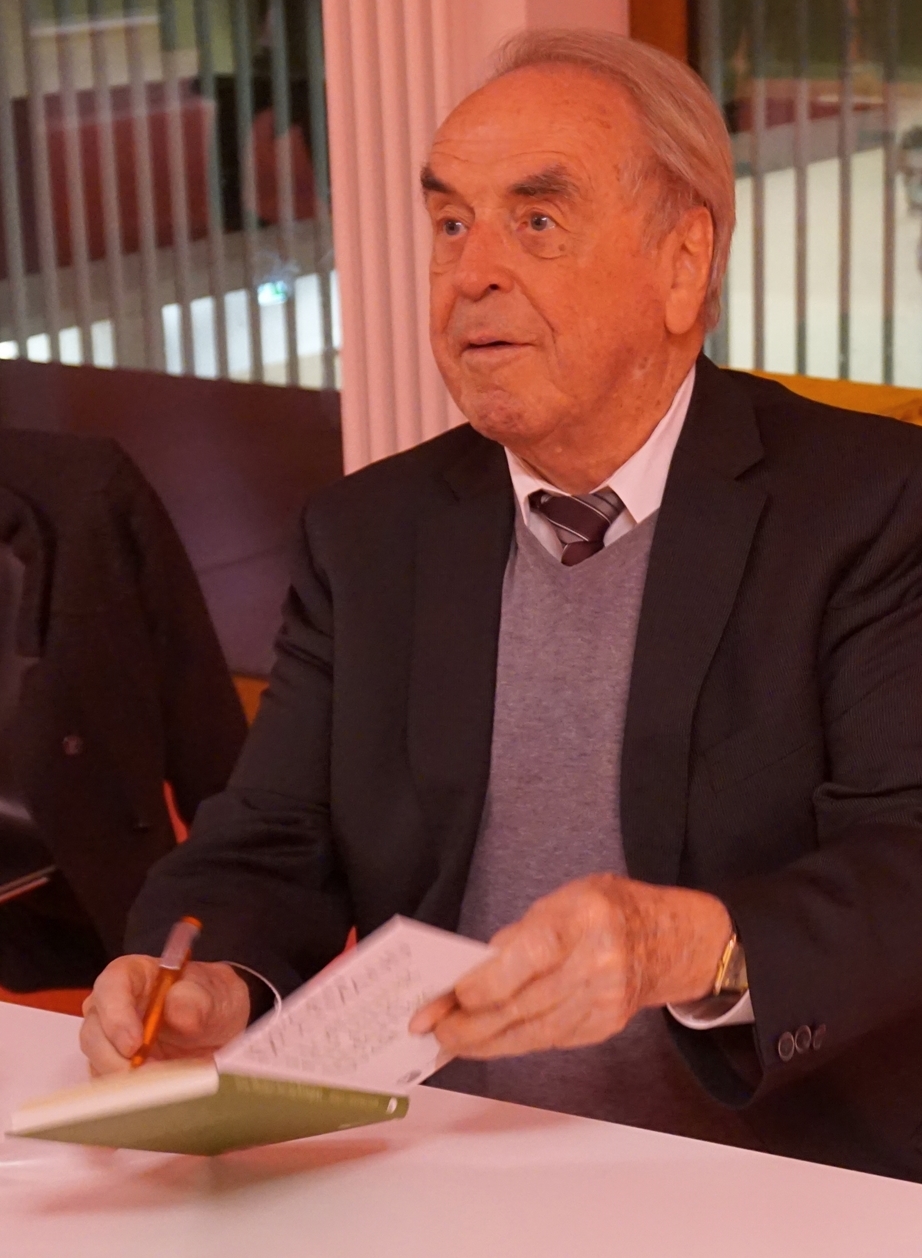
Main themes and theological contributions
Moltmann wrote across a range of fields, bringing a distinctive eschatological and relational emphasis to theology. His long career touches systematic theology, the doctrine of God, and a renewed interest in Christian hope. He argued that Christian doctrine must be forward‑looking, attentive to human suffering, and committed to justice and reconciliation.
- Eschatology: Moltmann reframed eschatology as a present motivating force for action rather than only a distant expectation.
- Christology and the Crucified God: He emphasized God's solidarity with suffering in the crucifixion, challenging triumphalist depictions of divine power.
- Pneumatology and Trinity: His work stresses the Spirit’s role in creation, community, and hope.
- Ecclesiology and political theology: Moltmann connected church life to social transformation and public responsibility, contributing to conversations in ecclesiology and theological ethics.
- Theology of creation: He explored ecological dimensions of faith and human duties toward the created order.
Life, influences, and development
Moltmann's theological outlook was shaped by the historical trauma of mid‑20th century Europe. Personal experiences in wartime and the postwar context informed his insistence that theology must respond to suffering and the hope for renewal. Over decades he moved from academic lectures to broader dialogues, influencing pastors, activists, and scholars. He engaged both continental philosophical currents and classical Christian sources to produce a theology attentive to history and future promise.
Works, impact, and reception
Several books and lectures brought Moltmann wide recognition. He is often associated with works that center hope and the meaning of the crucifixion; these writings inspired strands of liberation theology, ecumenical discussion, and ecotheology. His style combined systematic argumentation with pastoral concern, making his thought accessible to a range of readers and contexts. Moltmann’s arguments continue to be discussed in academic theology, church debates, and public theology forums (areas of theology).
Awards and notable honors
- He delivered the prestigious Gifford Lectures in the mid‑1980s, a forum for public theology and philosophical religion.
- In recognition of his influence, he received the 2000 Grawemeyer Award in Religion from the University of Louisville and Louisville Presbyterian Theological Seminary.
Today Moltmann is remembered for making hope a theological category with social consequence: theology that looks forward to God’s promised future while demanding responsible action in the present. For further exploration of his writings and legacy consult university pages and theological resources that collect his essays and lectures (scholarly profiles).
Related articles
Author
AlegsaOnline.com Jürgen Moltmann: German Theologian of Hope and Political Theology Leandro Alegsa
URL: https://en.alegsaonline.com/art/121071
Sources
- trinitywallstreet.org : Jürgen Moltmann, the life power of hope
- grawemeyer.org : "2000– Jürgen Moltmann" · web.archive.org