
Inukai Tsuyoshi
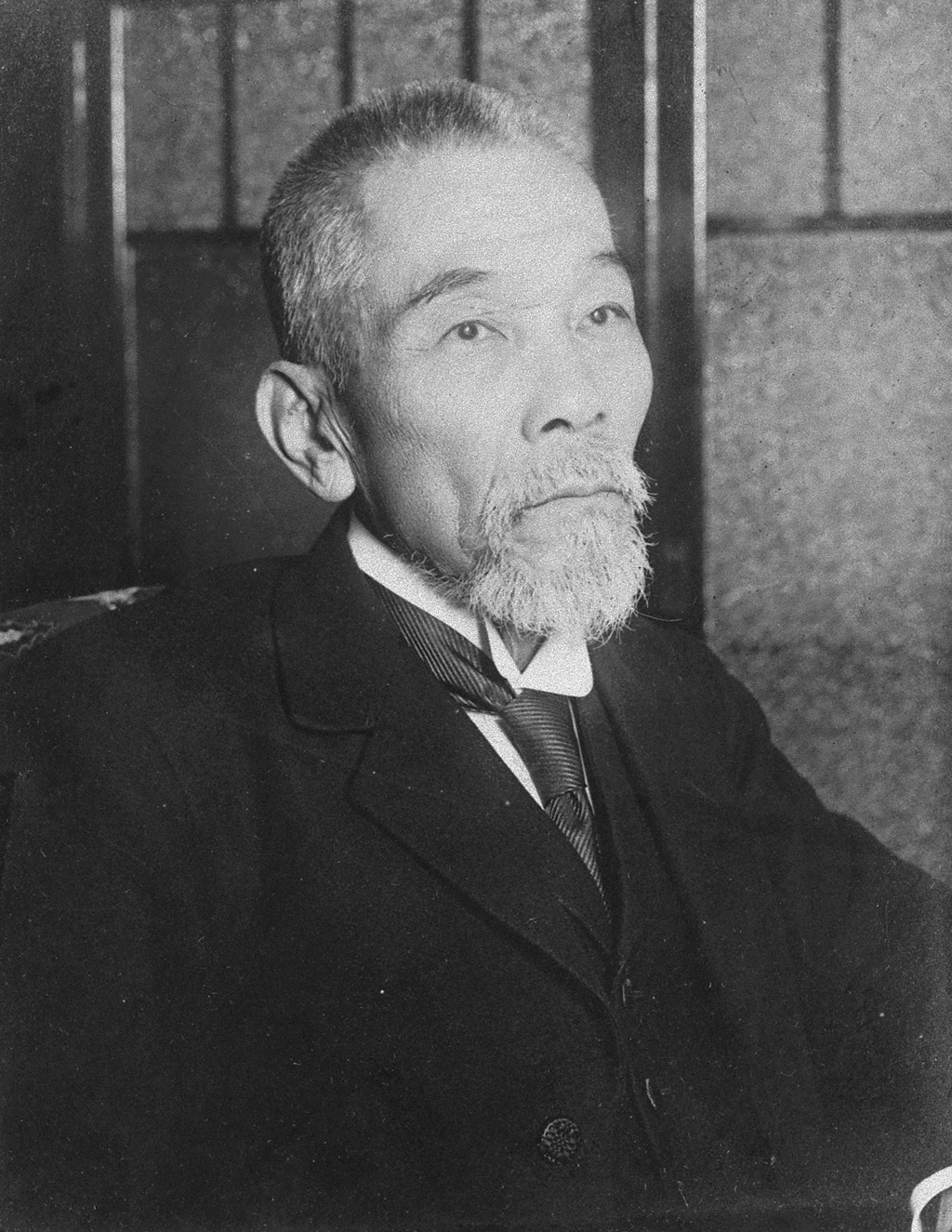
Japanese statesman (1855–1932), leader of party politics and Prime Minister whose assassination in 1932 marked a decisive step toward military dominance in prewar Japan.
Overview
Inukai Tsuyoshi (1855–1932) was a prominent Japanese politician and long‑time leader of parliamentary party politics in the early 20th century. He held multiple senior roles in government and headed the cabinet as Prime Minister from 13 December 1931 until his assassination on 15 May 1932. His death during the May 15 Incident is widely viewed as a watershed in the decline of civilian party rule and the rise of military influence in Japan.
Image gallery
4 Images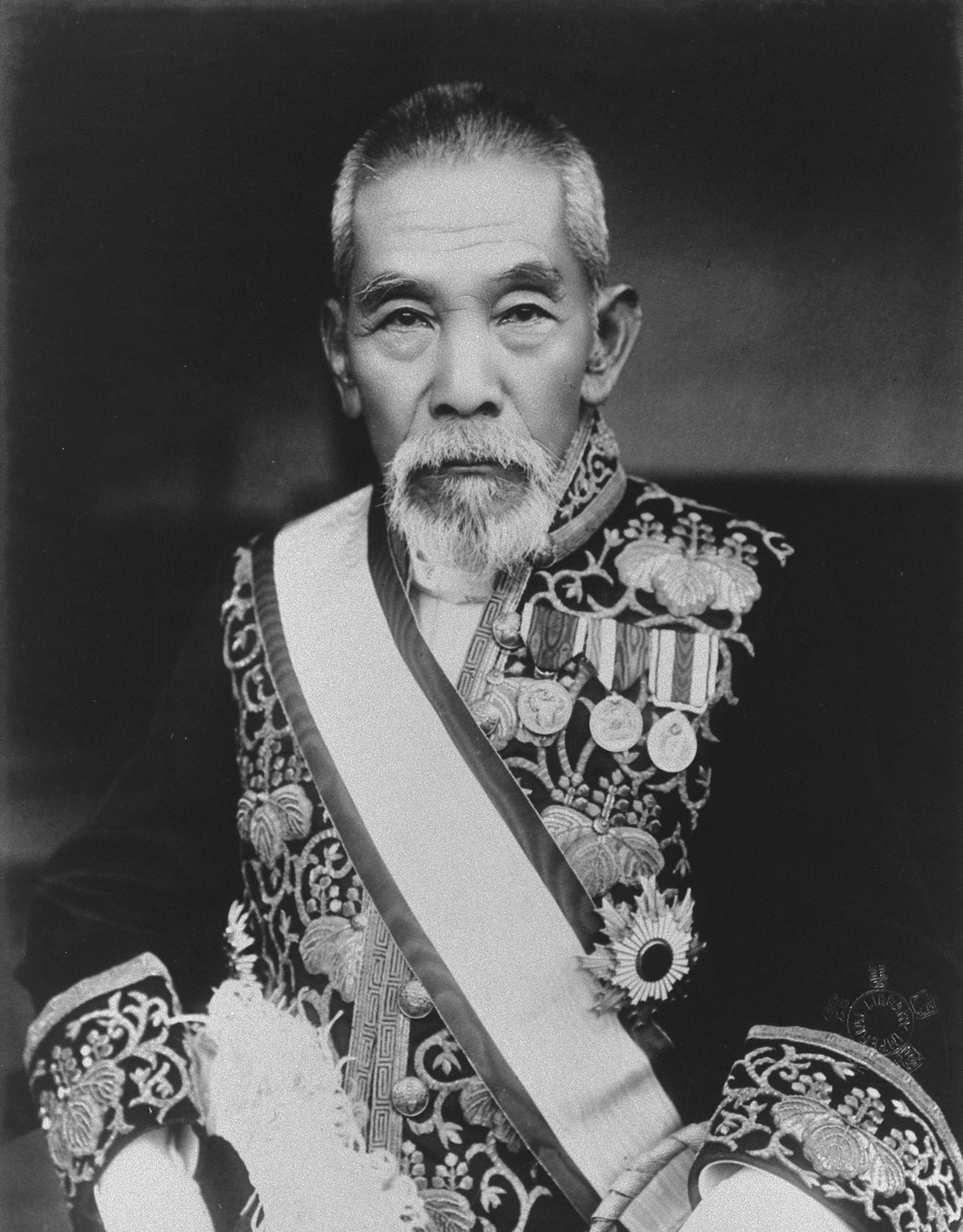


Political career
Over several decades Inukai built a reputation as an experienced parliamentarian and party leader. He served in numerous capacities within the national government, including as a cabinet minister, and led one of the major political parties of the era. His approach combined advocacy for party government with pragmatic responses to economic and diplomatic pressures that confronted Japan in the late 1920s and early 1930s.
Prime ministership and national context
Inukai assumed the premiership in December 1931 amid international tension and domestic unrest. The period followed the Mukden (Manchurian) Incident and the rapid expansion of Japanese military activity in northeast China. His cabinet struggled to reconcile party politics, economic difficulties during the global depression, and persistent intervention by elements of the armed forces. These competing pressures limited the effectiveness of civilian government at a time when Japan's foreign and defense policies were increasingly shaped by officers and imperial interests.
Assassination and the May 15 Incident
On 15 May 1932 Inukai was fatally shot inside the Prime Minister's residence by a group of young navy officers. Most of the assailants were junior officers, many in their late teens or early twenties. The killing sent shockwaves through Japanese society and demonstrated the readiness of some military elements to act outside legal and political channels. The incident weakened public confidence in party rule and accelerated the erosion of constitutional government.
Legacy and significance
Inukai is remembered for his long service to parliamentary politics and for presiding over one of its final civilian administrations before militarist control expanded. Historians cite his assassination as a turning point that removed a significant advocate for party-based governance and opened the way to greater military intervention in politics. The May 15 Incident remains a focal event in studies of Japan's path to the militarized state of the 1930s and 1940s.
Key points
- Born 1855; died 15 May 1932.
- Served as Prime Minister from 13 December 1931 to 15 May 1932.
- Assassinated by young naval officers in the May 15 Incident.
- Death symbolized the weakening of party government and rise of military power.
For further context on the period and the political currents surrounding Inukai's career, see general studies of prewar Japanese politics and the May 15 Incident. More on his political life and his premiership are discussed in works covering Japanese party politics and civil‑military relations.
Related articles
Author
AlegsaOnline.com Inukai Tsuyoshi Leandro Alegsa
URL: https://en.alegsaonline.com/art/120944