
Idriss Déby Itno
Chadian military officer and politician who led Chad from 1990 until his death in 2021; a dominant figure in Sahel politics with a contested legacy of stability, security cooperation and authoritarian rule.
Idriss Déby Itno (June 18, 1952 – April 20, 2021) was a Chadian military commander and politician who served as the country's president from 1990 until his death in 2021. Rising from a military background, he led a rebellion that toppled the government in 1990 and subsequently established a long-lasting presidency marked by repeated electoral victories, security cooperation with Western powers, and frequent criticism from domestic and international human rights groups.
Image gallery
8 Images

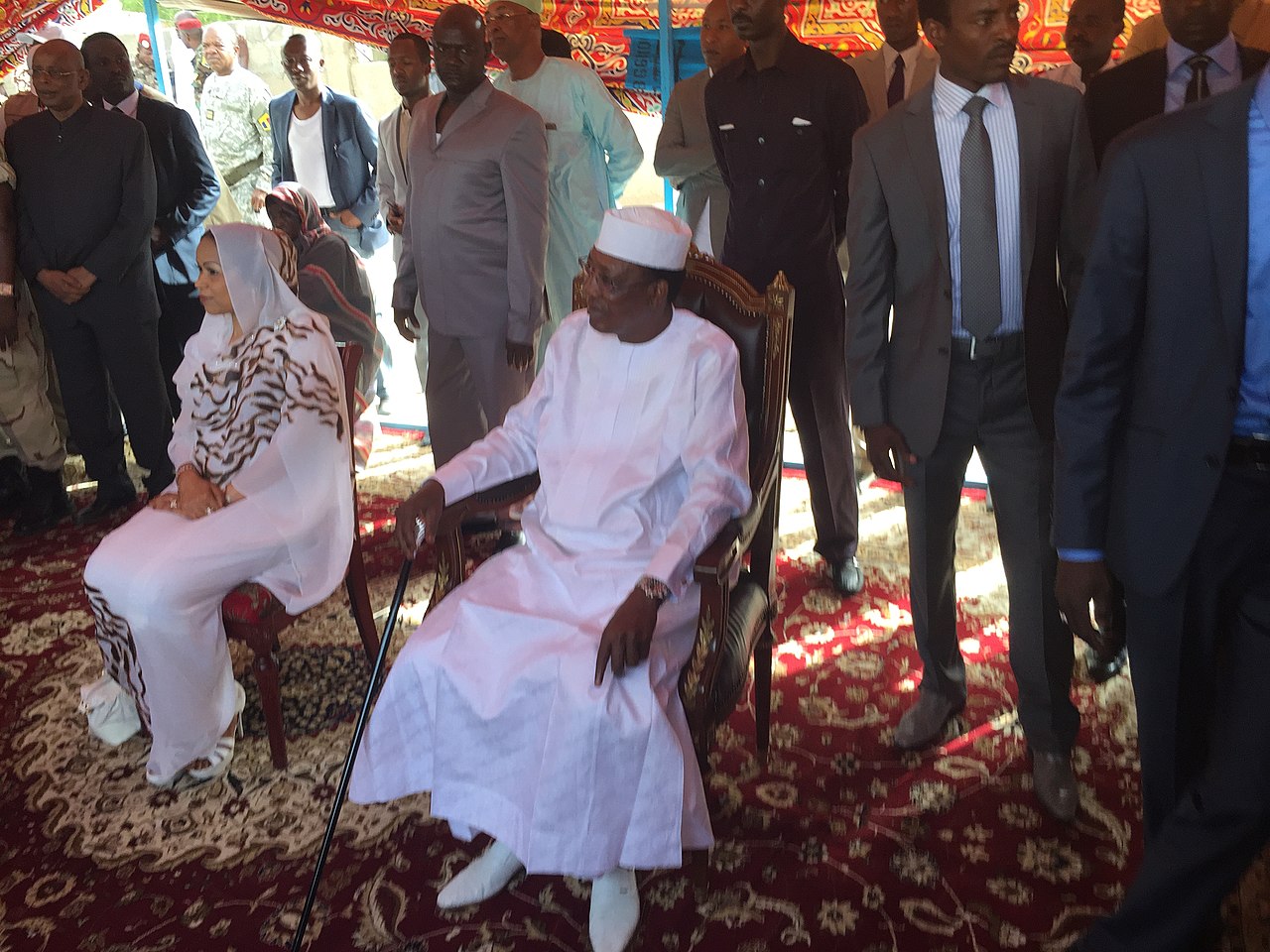


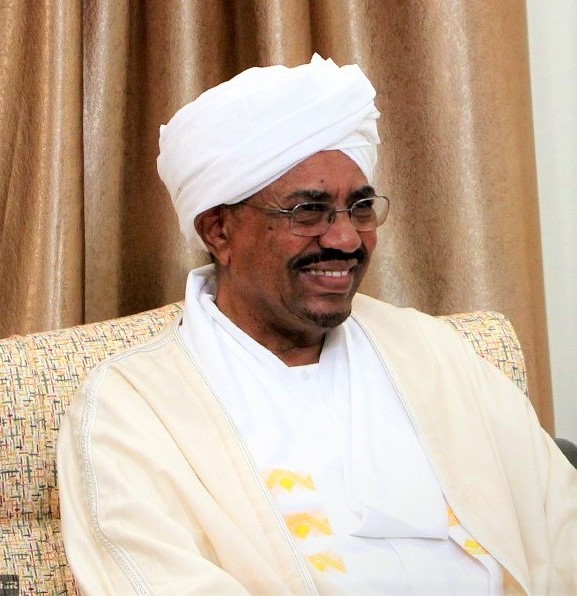
Background and rise to power
Déby came from a northerly region of Chad and had a career in the armed forces before entering politics. In 1990 he led the Patriotic Salvation Movement and ousted the government of Hissène Habré, assuming the presidency. He consolidated power through the military and by reorganising party structures, later standing for election multiple times and winning successive terms.
Presidency and governance
During his tenure Déby focused heavily on security issues. His government fought internal rebel movements and cooperated with regional and international partners to counter extremist groups in the Sahel and Lake Chad basin. Economically, Chad's oil revenues increased during his rule, but development remained uneven and many citizens continued to face poverty and limited public services.
Controversies and criticisms
Déby's rule attracted persistent criticism for restrictions on political opposition, tight control of media and security services, and allegations of electoral irregularities. Human rights organisations and some foreign observers raised concerns about civil liberties and the impartiality of elections, while supporters argued his leadership provided relative stability in a volatile region.
Death and immediate aftermath
Déby died in April 2021 after clashes between government forces and armed rebels. His death led to the rapid installation of a transitional military council led by his son, which suspended the constitution and provoked both domestic protests and international reactions. The transition raised questions about constitutional order and the future of governance in Chad.
Further reading and context
- Profile and timeline
- Political background and movement
- Security policy in the Sahel
- Post-2021 transition and analysis
Idriss Déby's legacy remains contested: he is credited by some for maintaining state cohesion and contributing to regional counterterrorism efforts, while others emphasise entrenched autoritarian practices, governance challenges and unmet development needs.
Related articles
Author
AlegsaOnline.com Idriss Déby Itno Leandro Alegsa
URL: https://en.alegsaonline.com/art/120863
Sources
- google.com : google.com