
Henry Ward Beecher
19th-century American clergyman and public figure known for his powerful sermons, abolitionist activity, public lectures, and a sensational adultery trial that affected his reputation and legacy.
Henry Ward Beecher (June 24, 1813 – March 8, 1887) was an influential American preacher, reformer and public speaker whose name became widely known in the mid-19th century. He rose to national prominence as pastor of Plymouth Church in Brooklyn and as an outspoken critic of slavery and a mobilizer of public opinion during the antebellum and Civil War eras. He combined evangelistic zeal with popular oratory to reach broad audiences.
Image gallery
10 Images



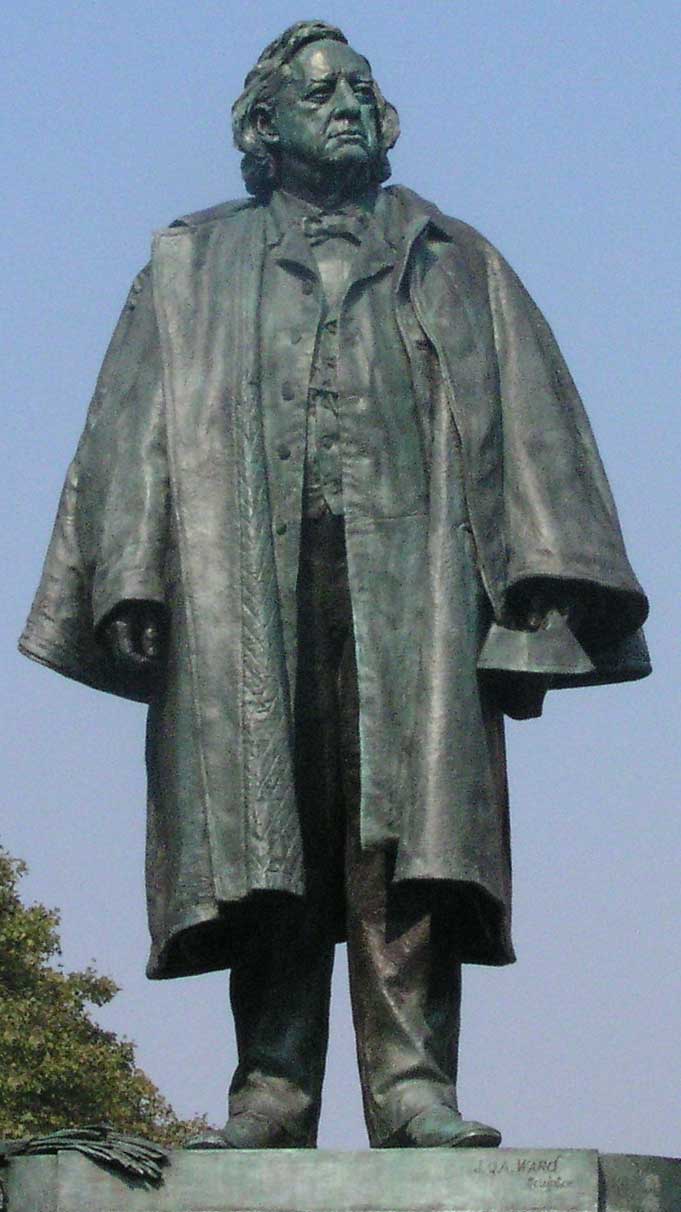
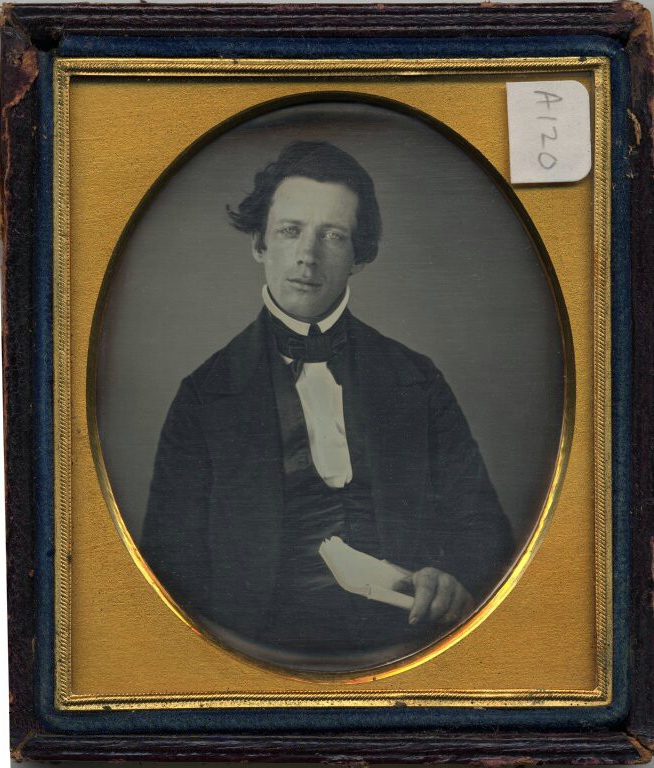

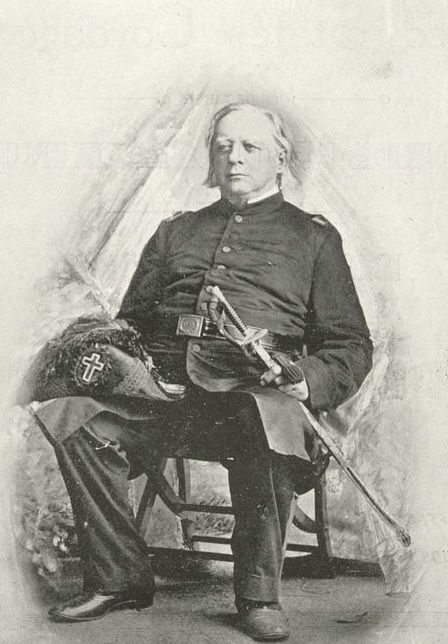

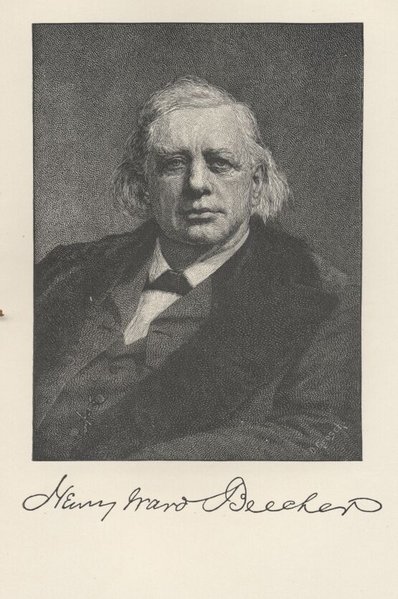
Early life and ministry
Born into the prominent Beecher family, Henry Ward was one of several children of the minister Lyman Beecher; his siblings included the author Harriet Beecher Stowe. After theological training he served in several parishes before taking leadership of a Congregational congregation in Brooklyn. His pulpit style was informal and anecdotal, which broadened the appeal of his sermons beyond traditional churchgoers.
Abolitionism and public activity
Beecher used his platform to oppose slavery and to support causes he regarded as moral and civic reforms. He preached against the institution, raised funds for anti-slavery efforts, and was associated in popular memory with the shipment of arms to anti-slavery settlers in Kansas—items popularly dubbed "Beecher's Bibles." During the Civil War he supported the Union and worked to recruit and fund relief for soldiers.
He was also a prolific lecturer and writer, turning sermons into published collections and speaking at public events. His approach blended biblical moralism, humor, and appeals to common sense, making him one of the era's best-known religious celebrities.
Controversy and legacy
Late in life Beecher's reputation was shaken by a highly publicized adultery suit brought by a former friend and newspaper editor; he was tried and ultimately not convicted, but the episode provoked debate about clergy, private conduct, and press sensationalism. Critics accused him of showmanship and moral inconsistency, while admirers stressed his contributions to religious life and social reform.
Notable facts
- Clergyman: religious leadership
- Social reformer: activism
- Speaker and lecturer: public addresses
- Plymouth Church affiliation: Congregational church
- Primary ministry location: Brooklyn
- Advocate against slavery: antislavery efforts
Beecher remains a complex figure in American religious and cultural history: a popularizer of liberal Protestant ideas, an activist who influenced public debate on slavery and reform, and a symbol of the evolving role of charismatic clergy in mass media and politics.
Related articles
Author
AlegsaOnline.com Henry Ward Beecher Leandro Alegsa
URL: https://en.alegsaonline.com/art/120572