
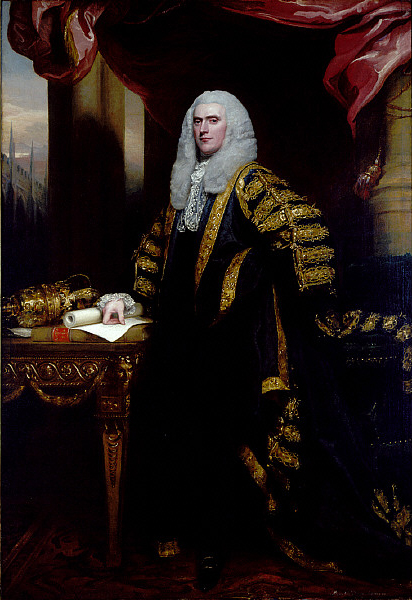
Henry Addington, 1st Viscount Sidmouth
British statesman (1757–1844). Prime Minister 1801–1804 and later Home Secretary, noted for negotiating a temporary peace with Napoleonic France and for conservative domestic security policies.
Overview
Henry Addington, 1st Viscount Sidmouth (1757–1844), was a British politician who served as Prime Minister from 1801 to 1804 and later as Home Secretary in the government of the Earl of Liverpool. His premiership produced a brief period of peace with Napoleonic France and his long spell at the Home Office was marked by vigorous measures to maintain public order during a time of social and economic unrest.
Image gallery
5 Images


Background and early career
The son of Dr. Anthony Addington, a physician who treated members of the royal household, Henry Addington entered public life as a Member of Parliament and built a reputation as a capable parliamentary speaker and administrator. He was elected Speaker of the House of Commons in 1789, an office he held until he was invited to form a government in 1801. His family connection to the royal medical household led to the contemporary nickname "The Doctor," used by some critics in a mildly pejorative way.
Prime ministership (1801–1804)
Addington became Prime Minister after William Pitt the Younger resigned in 1801. His government pursued a negotiated peace with France, culminating in the Treaty of Amiens in 1802, which brought a short-lived halt to the large-scale wars that had dominated Britain since the French Revolution. The truce proved unstable and hostilities resumed a year or two later. Domestically, his administration was considered steady but uninspiring by many contemporaries and political opponents; satire and contemporary comment frequently compared him unfavorably with Pitt.
Home Secretary and conservative policies
After a period out of frontline politics, Addington returned to office as Home Secretary in 1812 and served through much of the 1810s and into the early 1820s. This tenure coincided with post-war economic hardship, rising radicalism, and episodes of unrest. As Home Secretary he supported measures intended to suppress insurrection and curb the more militant strands of reformist agitation. His approach included backing restrictions on public meetings and proactive policing, and he endorsed the temporary suspension of habeas corpus at moments of perceived national danger. Critics described him as reactionary; supporters argued he acted to preserve stability and the institutions of the state.
Reputation, peers and retirement
Created Viscount Sidmouth in recognition of his services, Addington's legacy is mixed. Historians often portray him as competent and cautious but lacking the charisma and strong leadership associated with some of his contemporaries. His defenders point to administrative steadiness and effective crisis management; his detractors emphasize retrenchment and restrictions on civil liberties under his watch. He ultimately resigned as Home Secretary in 1822, making way for reform-minded successors such as Sir Robert Peel, and lived until 1844.
Key facts and further reading
- Born: 1757; Died: 1844.
- Speaker of the House of Commons: 1789–1801.
- Prime Minister: 1801–1804 (negotiated the Treaty of Amiens).
- Home Secretary: 1812–1822 (noted for public order policies).
For a concise biographical summary and further study, consult authoritative reference works and biographies: biographical entry, a parliamentary record overview at parliamentary resources, contemporary correspondence collections at archival guides, and modern scholarly assessments at historical studies.
Related articles
Author
AlegsaOnline.com Henry Addington, 1st Viscount Sidmouth Leandro Alegsa
URL: https://en.alegsaonline.com/art/120513