
Hope Lange: American actress in film, stage and television
Overview of Hope Lange (1933–2003), her career across film, stage and television, major roles and awards, and notes on her life and death.
Overview
Hope Lange (November 28, 1933 – December 19, 2003) was an American performer known for a steady career that spanned motion pictures, legitimate stage work, and television. She became widely recognized in the 1950s for sensitive, often understated screen performances and later won acclaim on television for both dramatic and comedic roles. Lange began her public life in modeling and early acting work before moving into higher-profile film roles.
Image gallery
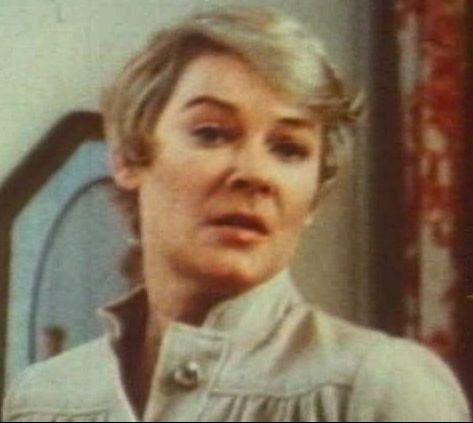
4 Images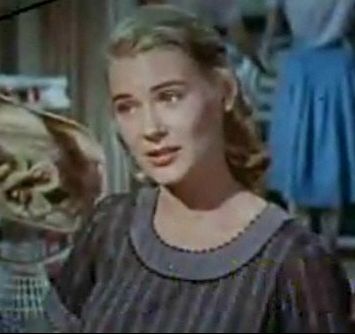


Career and characteristics
Throughout her career Lange worked across multiple media. On film she was noted for roles that required emotional restraint and a quiet intensity; on stage she appeared in productions that showcased her versatility; and on television she demonstrated timing and warmth that suited both sitcoms and dramatic series. Her approach was frequently described as subtle rather than theatrical, a style that translated well to close-up film acting and to the intimate demands of television performance. She balanced character parts with leading roles and accepted a mix of studio films, independent projects, and television assignments.
Notable roles and awards
Her breakthrough screen role was Selena Cross in the 1957 feature Peyton Place, a part that earned her wide recognition and major award attention. For that performance she received nominations for the Academy Award for Best Supporting Actress and the Golden Globe Award for Best Supporting Actress, marking her as a significant presence in American cinema of the era. On television she achieved further prominence playing Carolyn Muir in the sitcom The Ghost & Mrs. Muir (1968–1970), a role that won her two consecutive Primetime Emmy Awards for Outstanding Lead Actress in a Comedy Series in 1969 and 1970.
Selected work
- Peyton Place (1957) — breakthrough film role.
- The Ghost & Mrs. Muir (TV series, late 1960s) — Emmy-winning television role.
- Stage appearances — varied productions illustrating her theatrical training and range.
Legacy, later life and death
Lange is remembered for helping to bridge classical film acting and the evolving medium of television at a time when many performers specialized in one or the other. Her Emmy wins underscored a successful transition to small-screen leading roles after an auspicious start in cinema. She died on December 19, 2003, at St. John's Hospital in Santa Monica, California, after complications from an ischemic colitis infection. Her career remains a reference point for actors who move between film, stage and television, and for portrayals that favor nuance over spectacle.
Further reading and references
For more detailed information on her award nominations and wins see resources on the Academy Awards and the Primetime Emmys. Biographical notes and obituaries recorded at the time of her death provide contemporaneous accounts of her life and passing; one report listed the hospital as St. John's Hospital and described the immediate cause as an ischemic colitis infection. These sources offer further context on her contributions to mid-20th-century American entertainment.
Related articles
Author
AlegsaOnline.com Hope Lange: American actress in film, stage and television Leandro Alegsa
URL: https://en.alegsaonline.com/art/120686
Sources
- findarticles.com : "Hope Lange, actress in 'Peyton Place,' dies"