
Hazel Blears — British Labour politician
Overview of Hazel Blears, Labour MP first elected in 1997, who served in several ministerial posts including Communities and Local Government and worked on policing, local government and community issues.
Hazel Blears is a British Labour politician who entered the House of Commons at the 1997 general election. Born on 14 May 1956, she established a parliamentary profile focused on local government, community cohesion and public services. She has served as the Member of Parliament for constituencies in Salford, later represented as Salford and Eccles, and is a member of the Labour Party.
Image gallery
3 Images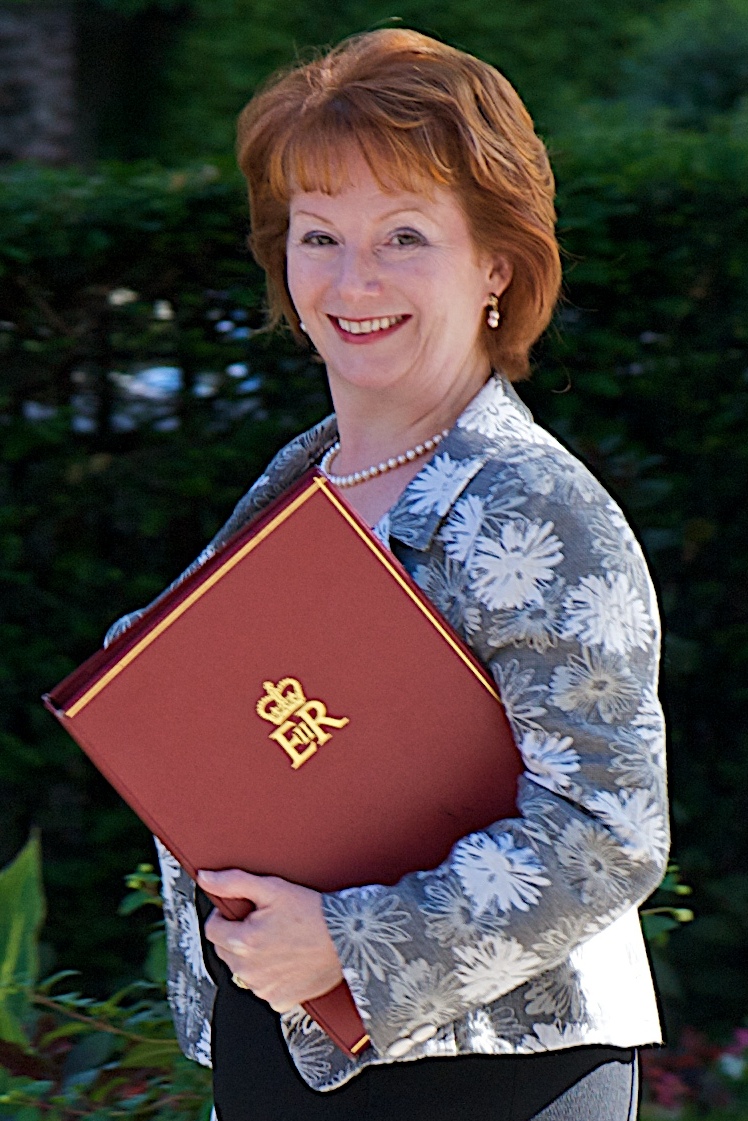


Roles and responsibilities
Throughout her parliamentary career Blears held a variety of ministerial and frontbench posts under Labour prime ministers including Tony Blair and Gordon Brown. Her appointments spanned responsibilities in devolved and local government policy, policing and community relations. Most prominently she served as Secretary of State for Communities and Local Government, a Cabinet post that involved housing, local government finance and urban regeneration.
Areas of focus
- Local government and devolution: promoting stronger local institutions and community-led regeneration.
- Public safety and policing: engagement with policing policy and crime reduction initiatives.
- Community cohesion: work on social inclusion, voluntary sector links and services for disadvantaged areas.
Blears has combined ministerial duties with constituency work in Salford, where urban renewal, housing and employment have been recurring themes. Her public role often required balancing national policy priorities with local needs and stakeholders.
Controversies and public profile
As with many senior politicians, Blears attracted media attention and public scrutiny. During the late 2000s several aspects of parliamentary conduct, expenses and ministerial behaviour were widely debated; she was among those whose actions and decisions were reviewed in that broader national conversation. Her time in office is also remembered for outspoken public commentary and an active media presence.
Today Hazel Blears is usually referenced in discussions about modern Labour governments, ministers who combined Cabinet responsibility with strong local ties, and contemporary debates on how national policy affects cities and communities. Further details on specific roles and speeches can be found via official parliamentary records and party resources (further reference, biographical sources).
Related articles
Author
AlegsaOnline.com Hazel Blears — British Labour politician Leandro Alegsa
URL: https://en.alegsaonline.com/art/120419