
Haley Barbour: American Governor, Political Operative, and Party Leader
Profile of Haley Barbour, Republican politician and lobbyist, governor of Mississippi (2004–2012), former RNC chairman, his career, policies, controversies and public role.
Overview
Haley Reeves Barbour (born October 22, 1947) is an American political figure known for his roles as a party leader, lobbyist and two-term governor of Mississippi (2004–2012). A prominent Republican, he has been influential in national and state politics for decades and was briefly discussed as a potential 2012 presidential contender before announcing he would not run in April 2011.
Image gallery
7 Images


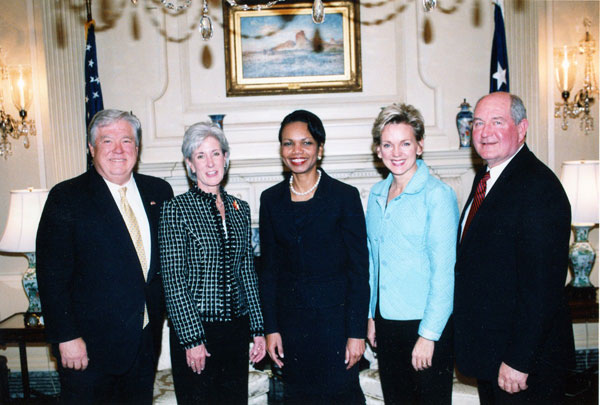


Early life and career
Born and raised in Mississippi, Barbour trained in law and became active in Republican politics and political consulting. He served as chairman of the Republican National Committee in the 1990s, building national networks and helping shape party strategy. After that period he worked as a lobbyist and co-founded a Washington-based lobbying practice that advised corporations and interest groups.
Governor of Mississippi
As governor from 2004 to 2012, Barbour emphasized conservative priorities such as economic development, tax policy, and government efficiency. He led the state during major events including the aftermath of Hurricane Katrina and worked with federal and local agencies on recovery efforts. Supporters credited him with promoting business growth and fiscal restraint; critics sometimes faulted his methods and alliances formed during his years as a lobbyist.
Policies, style and administration
- Emphasis on private-sector growth, workforce development and tax measures designed to attract investment.
- Focus on disaster response and rebuilding after coastal and regional storms.
- A management style that mixed traditional Southern retail politics with Washington experience.
Controversies and public debate
Barbour's long career as a lobbyist drew attention and debate when he assumed statewide office, prompting discussion about the revolving door between lobbying and government. Toward the end of his governorship he issued executive pardons and clemency decisions that provoked public scrutiny and media commentary. His national profile and past positions occasionally generated controversy in broader political discussions.
Legacy and later activity
After leaving the governor's office, Barbour remained a recognizable conservative voice, involved in public commentary and party affairs. He declined to run for president in 2012 but continued to be mentioned as an influential elder statesman within Republican circles. Observers assess his legacy in Mississippi in mixed terms—crediting disaster leadership and economic initiatives while debating ethical questions tied to his lobbying career.
For more information about his public record and initiatives, see resources on his political career and governorship: biography, governor's office records, and contemporary reporting and analysis at news archives and policy reviews.
Related articles
Author
AlegsaOnline.com Haley Barbour: American Governor, Political Operative, and Party Leader Leandro Alegsa
URL: https://en.alegsaonline.com/art/120217
Sources
- books.google.com : Current Biography Yearbook 1996
- cnn.com : "Haley Barbour Fast Facts"
- politicalgraveyard.com : "Index to Politicians: Barbour"
- usnews.com : "10 Things You Didn't Know About Haley Barbour"
- nmisscommentor.com : "Gov. Barbour press conference on pardons issues"