
Gustave Eiffel: Engineer, Architect and Builder of Landmark Structures
French engineer Gustave Eiffel (1832–1923) pioneered metal construction and wind-resisting design, best known for the Eiffel Tower and the internal framework of the Statue of Liberty.
Overview
Alexandre Gustave Eiffel (1832–1923) was a French engineer and entrepreneur whose work advanced the use of iron and steel in large structures. Trained in engineering, he led projects that combined technical innovation with prefabricated metalwork and careful attention to wind and load stresses. His name is most widely associated with the Eiffel Tower, but his career encompassed bridges, public buildings and scientific studies of aerodynamics.
Image gallery
10 Images




Career and methods
Eiffel began by designing railway bridges and iron viaducts, where he refined methods for calculating stresses and assembling prefabricated metal components. He popularized modular construction techniques and lightweight latticed frameworks that reduced material while preserving strength. Eiffel also emphasized experimental validation: his workshops performed model tests and measured wind effects to inform design choices.
Major works and projects
- Eiffel Tower — a wrought-iron lattice tower built for the 1889 Exposition in Paris.
- Internal framework (armature) for the Statue of Liberty, sited in New York Harbor in the United States.
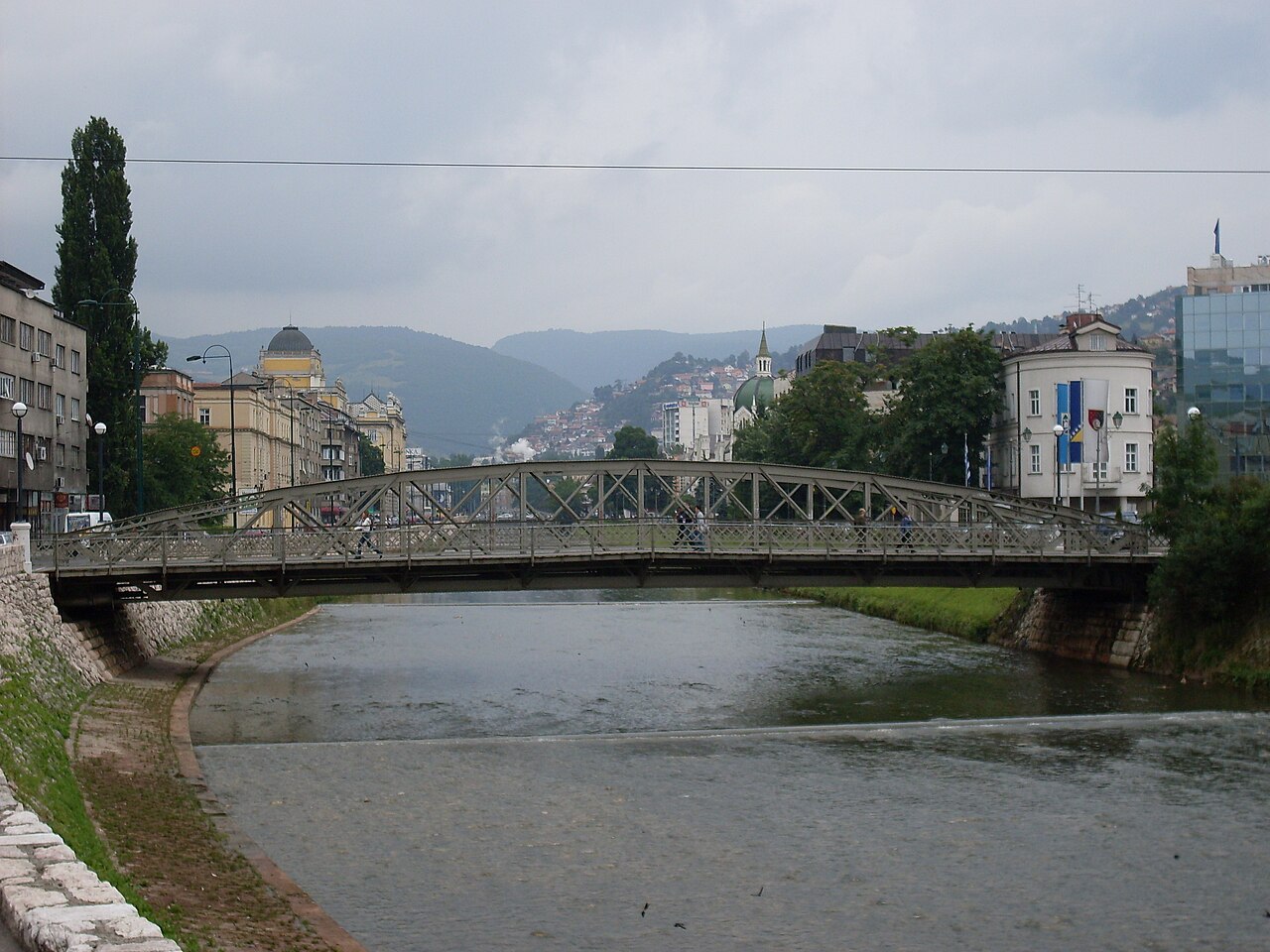
- Numerous bridges, industrial structures and pavilions across Europe and overseas.
Many of his projects illustrate the practical uses of prefabrication: components were shaped in workshops, transported, and assembled on site. This approach reduced construction time and allowed more daring, slender designs than earlier masonry structures.
Later work and legacy
After completing major building projects, Eiffel turned to scientific research. He conducted wind-tunnel tests and published on aerodynamics and atmospheric phenomena. His firm and methods influenced generations of structural engineers and helped normalize metal skeleton construction for towers, bridges and large public buildings. Today Eiffel is remembered both for the iconic tower that bears his name and for technical contributions that shaped modern civil engineering.
For further reading on his life and projects, see resources that cover his engineering firm, publications, and surviving structures in Europe and abroad. The breadth of his work links practical construction techniques with early experimental engineering.
Related topics include the role of metal framing in 19th-century architecture and the development of wind-resistance design in civil engineering. For biographical context, consult reputable historical and engineering sources that document his designs and experiments. Additional links: background on his professional role.
Related articles
Author
AlegsaOnline.com Gustave Eiffel: Engineer, Architect and Builder of Landmark Structures Leandro Alegsa
URL: https://en.alegsaonline.com/art/120126