
Guntis Ulmanis — President of Latvia (1993–1999)
Latvian politician Guntis Ulmanis (born Guntis Rumpītis, 1939) served as the fifth President of Latvia from 1993 to 1999, guiding early post-Soviet consolidation, reforms and Western integration.
Overview
Guntis Ulmanis (born Guntis Rumpītis on 13 September 1939) is a Latvian politician best known for serving as the fifth president of Latvia from 1993 to 1999. He led the office during a formative period after the restoration of independence, when the state worked to consolidate institutions, stabilise its economy and re-establish international ties.
Image gallery
4 Images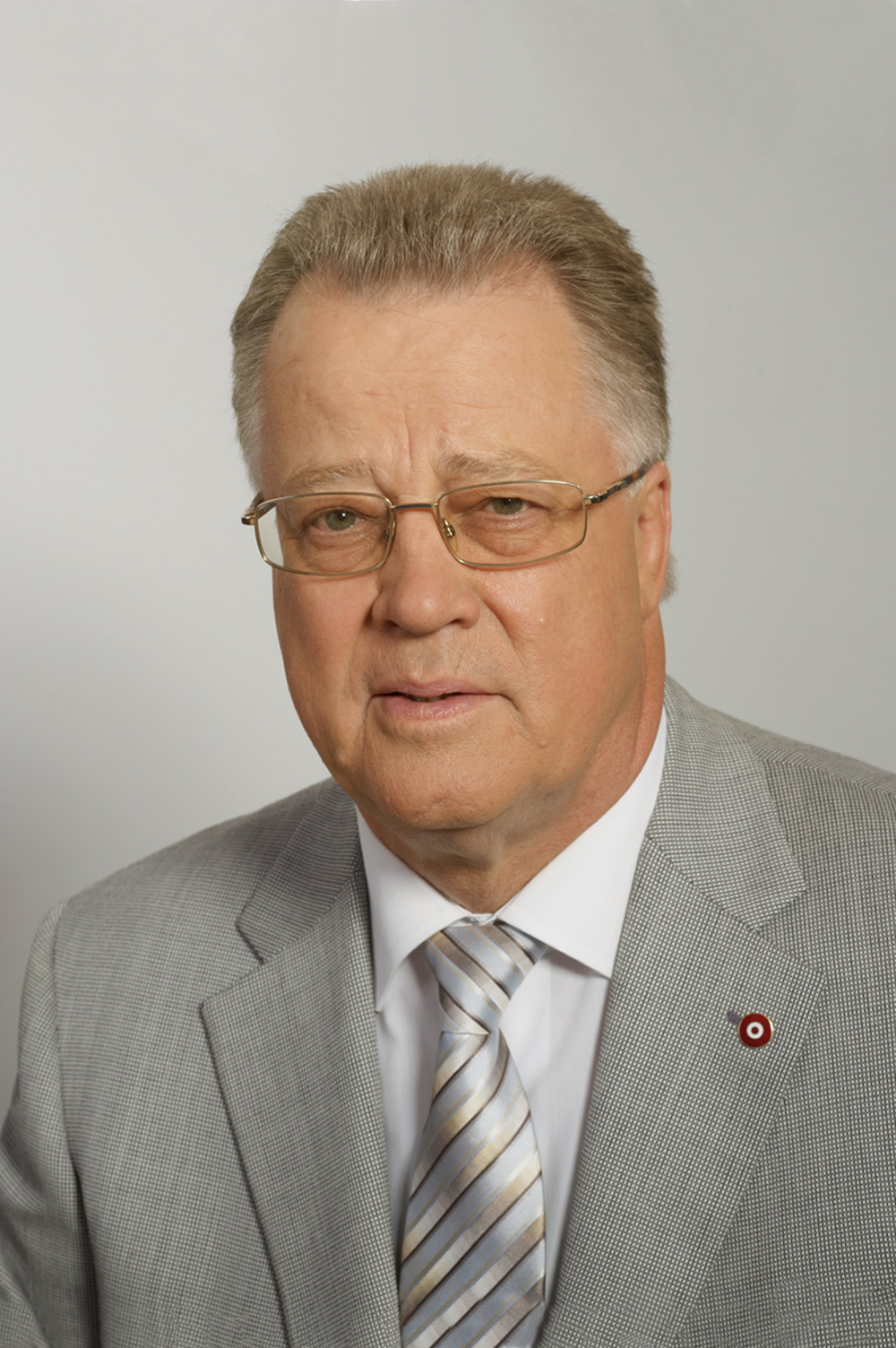


Early life and background
Born before World War II, Ulmanis came of age under Soviet rule and later entered public life during Latvia’s transition from Soviet republic to independent nation. He is often identified by the surname Ulmanis, which he adopted as an adult and which is shared with prominent figures in Latvia’s interwar history.
Presidency (1993–1999)
Ulmanis held the largely ceremonial but symbolically important presidential office at a time when Latvia pursued macroeconomic reform, privatization and legal restoration. His tenure focused on constitutional duties, representing the republic abroad, and supporting the country’s aspirations toward Euro-Atlantic institutions and closer ties with Western Europe.
Policies and public role
As head of state, Ulmanis emphasized stability, national unity and the rule of law. He took part in diplomatic efforts to strengthen Latvia’s sovereignty and worked with successive governments to manage the social and economic challenges that accompanied rapid systemic change.
After leaving office
After his second term ended in 1999, Ulmanis remained visible in public life through civic activities, commemorations and commentary on national affairs. Former presidents in Latvia frequently act as elder statespersons; Ulmanis continued to be consulted on matters of history and statecraft.
Notable facts
- Served as president during an early and critical phase of Latvia’s renewed independence.
- His presidency coincided with the country’s drive toward integration with Western political and economic institutions.
- Remains a recognizable figure in Latvian public and civic life.
Related articles
Author
AlegsaOnline.com Guntis Ulmanis — President of Latvia (1993–1999) Leandro Alegsa
URL: https://en.alegsaonline.com/art/120119
Sources
- president.lv : "Guntis Ulmanis: President of Latvia 1993-1999"