
Gilmar Rinaldi
Gilmar Rinaldi (born 13 January 1959) is a Brazilian former professional football goalkeeper who represented his country and later worked in football management and player representation.
Gilmar Rinaldi (born 13 January 1959) is a Brazilian former professional football goalkeeper known for his time in top‑level domestic competition and for being part of Brazil's national team setups. Contemporary accounts describe him as a reliable shot‑stopper with good reflexes and calm presence in goal. Basic biographical details can be found in public records and profiles, for example birth and career summary.
Image gallery
2 Images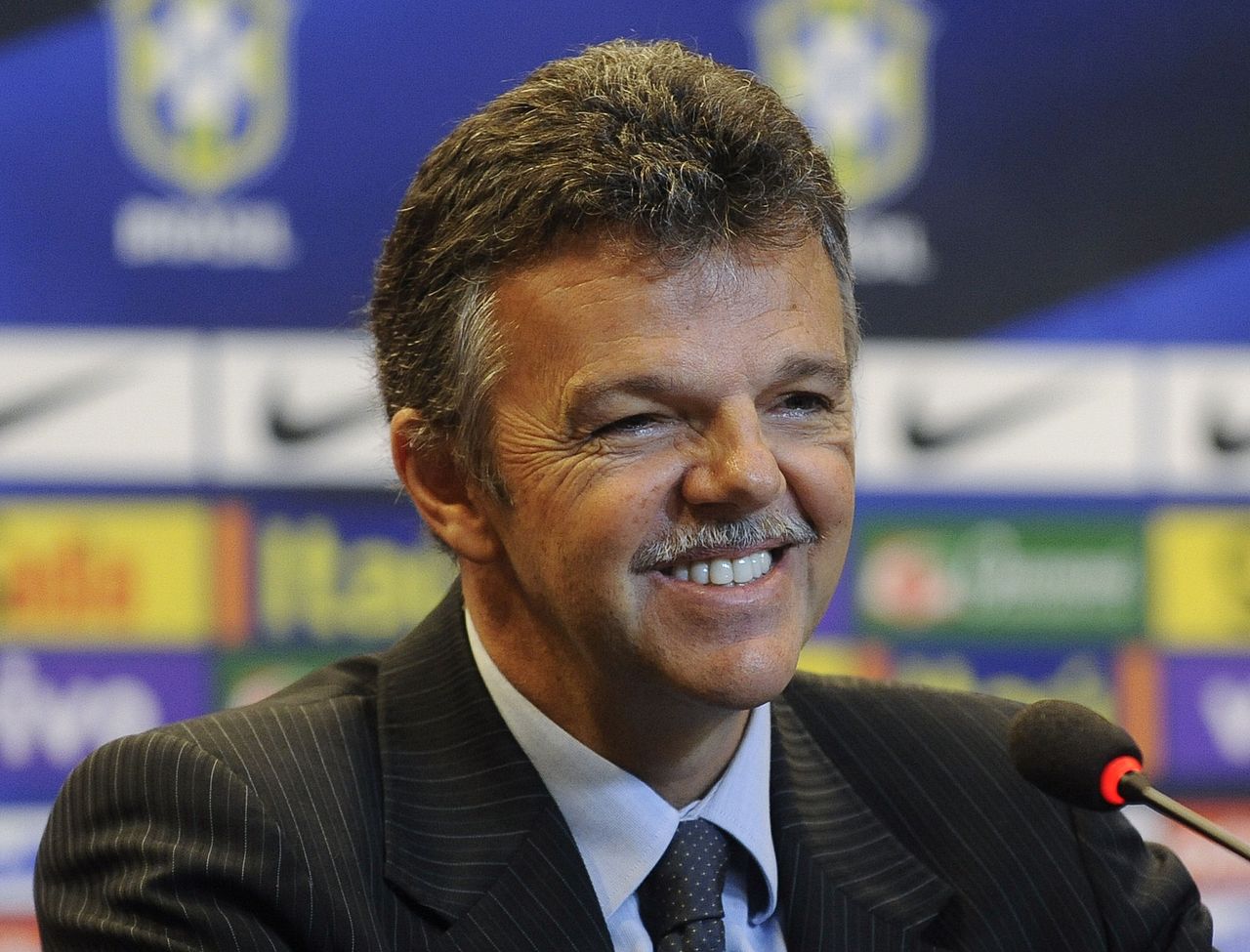

Playing career and characteristics
Rinaldi built a career as a specialist goalkeeper. He spent the bulk of his playing days in Brazilian club football and also experienced football abroad. As a player he was valued for positional awareness, leadership from the back, and steadiness under pressure—traits that helped him earn call‑ups to the national squad. His international involvement is noted in several team lists and tournament rosters (national team records).
Key aspects of his style and role included:
- Shot‑stopping and reflex saves in one‑on‑one situations.
- Organizing the defensive line and communicating with teammates.
- Reliability as a backup and occasional starter in competitive matches.
Development and context
Coming through the Brazilian football system, Rinaldi's career reflects the era's pathway for goalkeepers: domestic success often leading to international opportunities and tours. Contemporary match reports and statistical compilations provide context on his club appearances and contributions (career overview).
After playing: management and influence
Following retirement from active play, Rinaldi remained involved in football off the pitch. He took on roles that drew on his experience as a player, including positions in club and national team administration as well as representation and management work. These activities influenced coaching decisions, player transfers, and organizational structures in several settings (post‑playing roles).
Although not the most celebrated name internationally, Gilmar Rinaldi is remembered in Brazil for a steady professional career, contributions to team environments, and continued involvement in the sport after his on‑field days ended. For those researching Brazilian goalkeeping traditions and personnel transitions to management, his career provides a useful example.
Related articles
Author
AlegsaOnline.com Gilmar Rinaldi Leandro Alegsa
URL: https://en.alegsaonline.com/art/119809
Sources
- national-football-teams.com : "Gilmar Rinaldi"