
Midfielder (association football)
A midfielder is a football player who operates primarily in the middle third of the pitch, linking defense and attack. Roles vary from defensive screening to creative playmaking and box-to-box energy.
Overview
A midfielder is a player whose principal area of activity is the centre of the football pitch. Midfielders form the link between a team's defence and its forwards: they regain possession, control the tempo, distribute the ball, and contribute to both defensive duties and attacking moves. The number and type of midfielders in a side depend on formation and tactics; modern teams can field one to five players in midfield roles.
Image gallery
10 Images


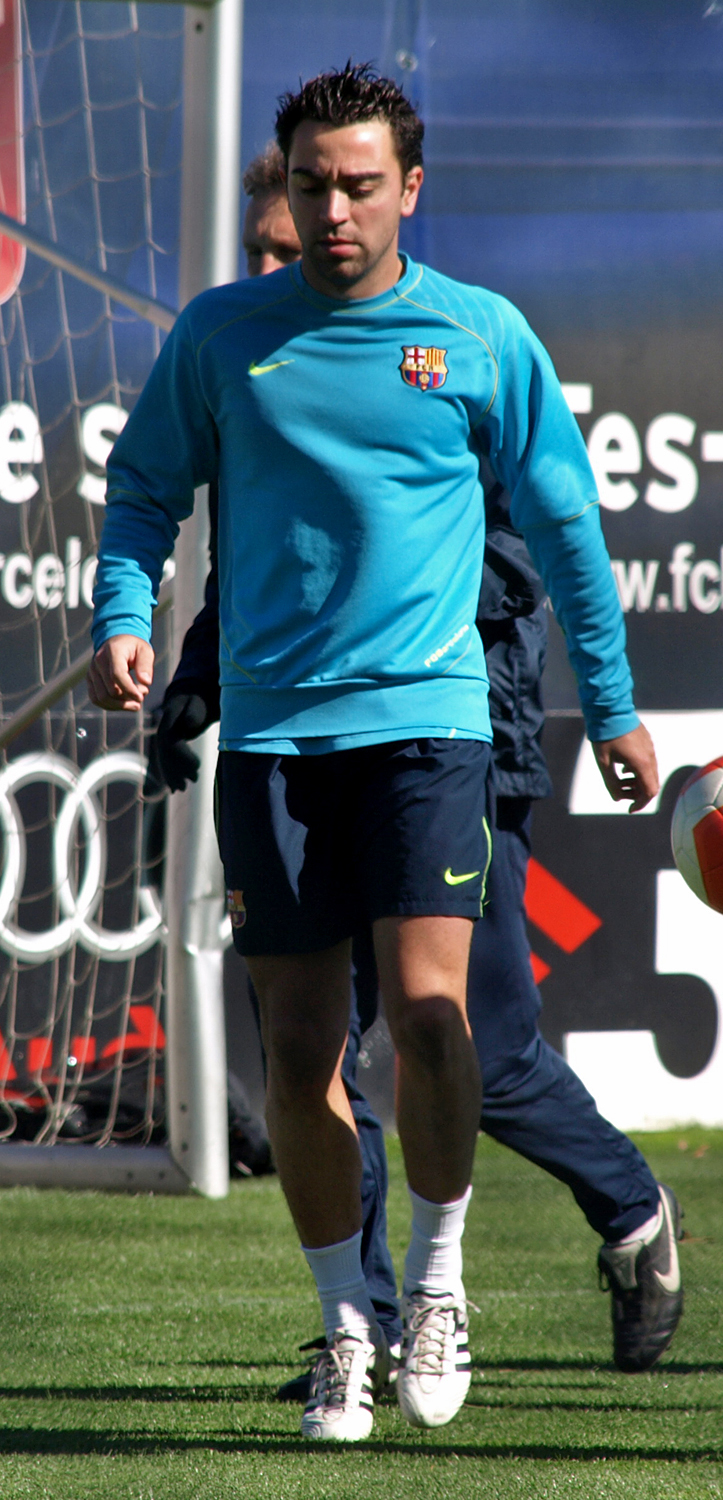

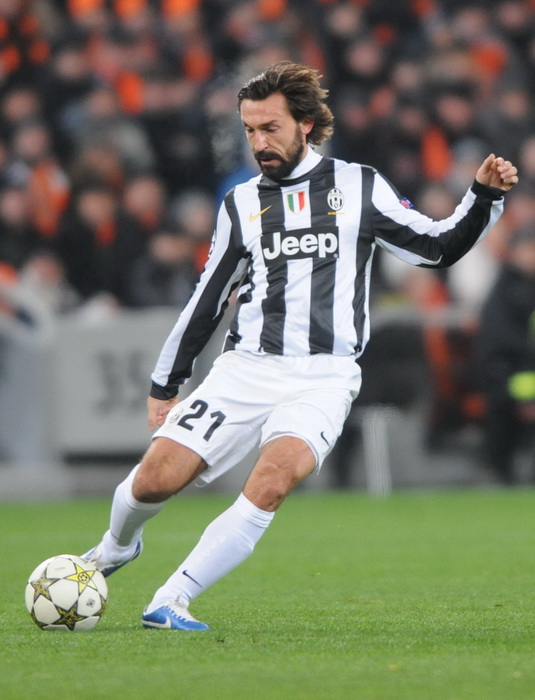
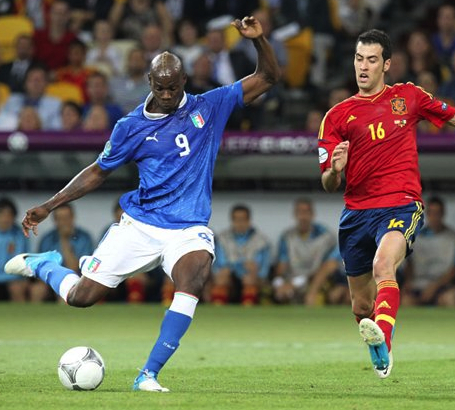
Common types and roles
Midfield roles are diverse and often described by their primary duty rather than strict field positions. Typical categories include:
- Defensive midfielder (CDM, holding): protects the defence, breaks up opposition play and makes simple passes to start attacks.
- Central midfielder (CM): a balanced role combining defensive work, passing, and support for attacks; sometimes called a box-to-box midfielder when involved at both ends.
- Attacking midfielder (CAM, playmaker): operates closer to the opposition goal to create chances, assist forwards, and score.
- Wide midfielder / winger (LM/RM): hugs flanks to provide crosses, stretch defences and support full-backs defensively.
- Specialist subtypes: regista (deep-lying playmaker), mezzala (advanced central role common in Italian systems), and trequartista (creative number 10).
Skills and characteristics
Effective midfielders combine technical ability with tactical intelligence. Important attributes include accurate short and long passing, vision to spot runs and switches of play, tackling and interception skills, stamina to cover large distances, positional awareness, and sometimes shooting ability. The precise mix depends on the role: defensive midfielders emphasize tackling and positioning; attacking midfielders emphasize creativity and finishing.
Historical development
The midfield role evolved as formations moved away from rigid numbers of forwards. Early systems used 'half-backs' and 'inside forwards' whose functions gradually split into distinct defensive and creative midfield roles. Tactical innovations in the late 20th and early 21st centuries — such as pressing, zonal marking, and possession football — have further diversified midfield responsibilities, making adaptability prized in modern players.
Tactical importance and examples
Midfielders often determine a team's style: a dominant passing midfield can control matches, while a compact defensive midfield can shield a vulnerable back line. Famous examples of how roles shape tactics include deep-lying playmakers who dictate tempo from in front of the defence, and box-to-box players who add energy and goal threat. The balance chosen by a coach—more defensive protection or more creative freedom—affects formation, pressing intensity, and transition play.
Distinctions and notable facts
Not every player in the central zone is a midfielder; some formations place attacking or wide players differently, and full-backs sometimes move into midfield during possession. Shirt numbers historically reflected midfield roles (e.g., 4, 6, 8, 10), but modern squad numbering is less fixed. The term "midfielder" remains the broadest positional label in football, covering a wide spectrum of tactical responsibilities.
Author
AlegsaOnline.com Midfielder (association football) Leandro Alegsa
URL: https://en.alegsaonline.com/art/64723
Sources
- news.bbc.co.uk : "Wide midfielder"