
Gera — city in eastern Thuringia, Germany
Gera is a regional city in eastern Germany's state of Thuringia, home to roughly 100,000 residents. Known for its industrial history, river landscape, cultural venues and 19th-century architecture.
Gera is a city in eastern Germany, located in the state of Thuringia. It lies on the river Gera and functions as a regional centre for commerce, education and services. The urban area contains roughly 100,000 inhabitants, making it one of the larger towns in Thuringia. For general regional context see eastern Germany, and for information about the federal state consult Thuringia. Local administrative and visitor information is often published by municipal sources such as city portals.
Image gallery
10 Images


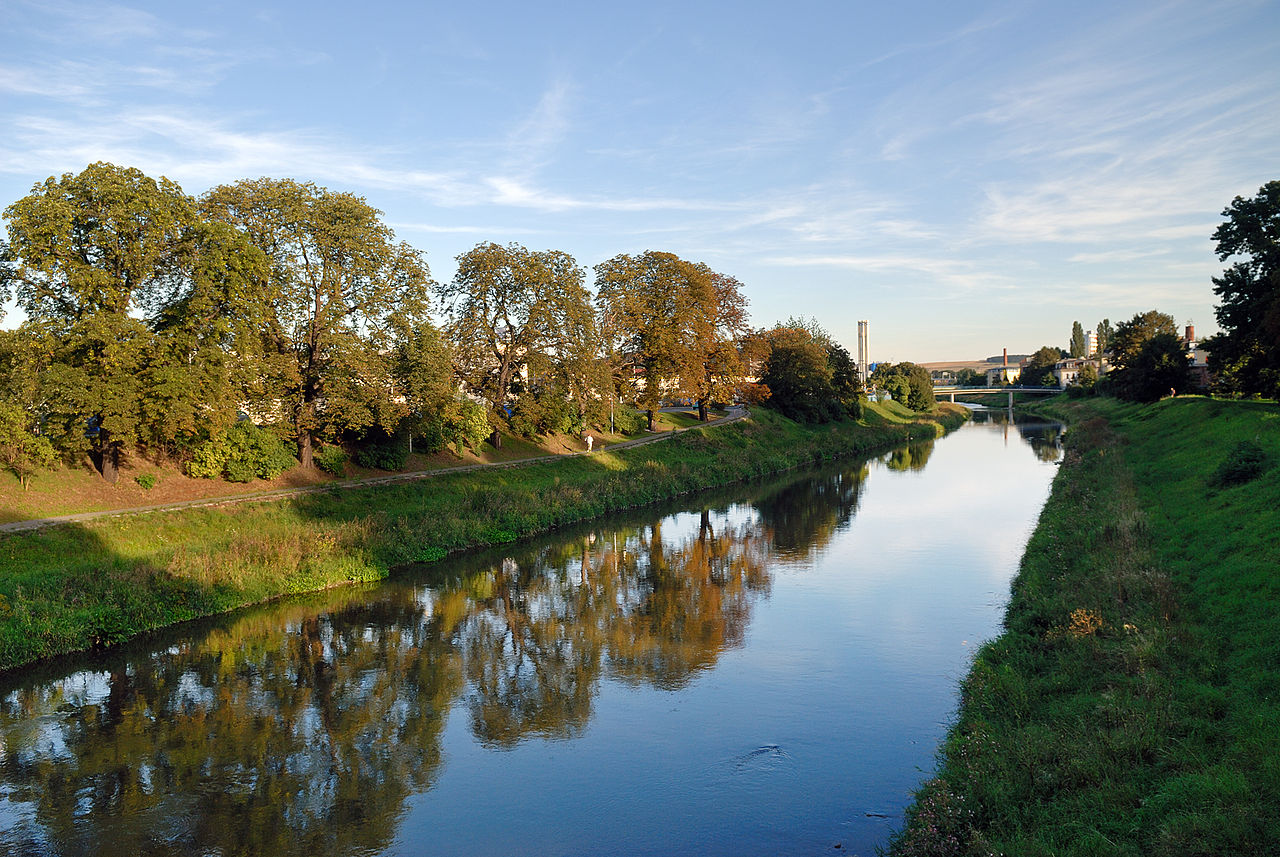


Geography and urban character
The city spreads across gentle valleys carved by the Gera river and includes parks, historic promenades and compact residential quarters. Its urban fabric combines dense 19th-century residential blocks with later 20th-century developments and green belts that follow the river corridor. Several small streams and landscaped parks give the city a comparatively green appearance for an industrial-era centre.
History and development
Gera grew from a market settlement into an industrial town during the 19th century, when textile production and related trades expanded across central Germany. The boom years shaped much of the central architecture, including wider boulevards and ornate apartment buildings typical of the Gründerzeit period. In the 20th century the city experienced the social and economic shifts common to the region, including changes during the period of the German Democratic Republic and subsequent reunification.
Economy, culture and institutions
Historically rooted in manufacturing, Gera's economy today mixes light industry, local services, education and cultural institutions. The city hosts theatres, museums and concert venues that serve the surrounding region. Architectural sights, craft workshops and annual events contribute to local cultural life and attract regional visitors.
Transport, administration and notable facts
Gera is connected by regional rail and road links to neighbouring cities and to the wider Thuringian network. It serves administrative and service functions for nearby communities and is known for combining industrial heritage with parks and riverfront promenades. Visitors often explore the historic centre, riverside green spaces and public cultural venues.
- River: Gera river and tributary parks
- Architecture: 19th-century residential districts and municipal buildings
- Cultural life: theatres, museums and regional events
- Role: regional service and transport hub in Thuringia
Related articles
Author
AlegsaOnline.com Gera — city in eastern Thuringia, Germany Leandro Alegsa
URL: https://en.alegsaonline.com/art/119696