
George C. Marshall: American General, Statesman, and Architect of Postwar Recovery
George C. Marshall (1880–1959) was an American soldier and statesman who led the U.S. Army in World War II, served as Secretary of State and Defense, and sponsored the Marshall Plan, earning the 1953 Nobel Peace Prize.
George Catlett Marshall (December 31, 1880 – October 16, 1959) was a senior American military officer and public servant whose career bridged armed forces leadership and high diplomacy. Known for a reserved manner and a talent for organization, he rose to become one of the United States' most influential chiefs of staff and later helped direct the nation's foreign policy during the reconstruction that followed World War II. For his role in shaping European recovery he was awarded the Nobel Peace Prize in 1953.
Image gallery
2 Images
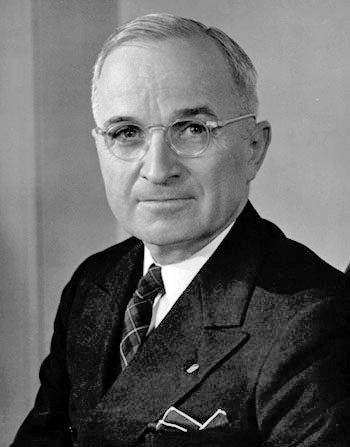
Key roles and functions
- military leader and organizer of large-scale mobilization and logistics
- Army Chief of Staff who coordinated American land forces and training during the global conflict
- Secretary of State, where he helped craft postwar aid and diplomatic strategy
- Secretary of Defense in the early Cold War period, overseeing defense policy at a time of transition
- Influential in Allied strategy during World War II and the subsequent reconstruction era
- Principal sponsor of the Marshall Plan, the program for European economic recovery
Early life and military career
Marshall trained as a military officer and served in a variety of staff and command assignments in the early 20th century. He developed a reputation for administrative skill, attention to logistics, and a preference for calm, behind-the-scenes leadership rather than public showmanship. During the interwar years he worked on professional military education, doctrine, and organizational reforms that shaped the Army's preparedness.
World War II leadership
Appointed Chief of Staff as the United States prepared for broader involvement in the global conflict, Marshall guided the rapid expansion of the Army, supervised officer selection and deployment, and coordinated with Allied partners. Historians often credit him with balancing strategic priorities, maintaining supply chains, and helping to build the coalition that fought the Axis powers. His management style emphasized planning, delegation, and the matching of leaders to appropriate commands.
Postwar diplomacy and the Marshall Plan
After the war, Marshall transitioned to civilian posts in which he continued to shape international policy. As Secretary of State he announced a program that became widely known as the Marshall Plan, a multiyear initiative to assist European recovery and economic stabilization. The plan is commonly cited as a major factor in Western Europe's postwar reconstruction and in strengthening transatlantic ties.
Legacy and significance
Marshall's legacy rests on two connected achievements: the effective mobilization and leadership of American military power during a global war, and the promotion of policies that supported civilian recovery and political stability afterward. He is remembered for integrity, an emphasis on competence, and an enduring influence on American military and diplomatic institutions. Many institutions and commemorations reflect his impact on mid-20th-century history.
Related articles
Author
AlegsaOnline.com George C. Marshall: American General, Statesman, and Architect of Postwar Recovery Leandro Alegsa
URL: https://en.alegsaonline.com/art/119616