
Marshall Plan (European Recovery Program)
The Marshall Plan (European Recovery Program, 1948–1952) was a US initiative to rebuild Western Europe after World War II through economic aid, technical assistance, and cooperation, shaping postwar recovery and Cold War politics.
Overview
The Marshall Plan, officially the European Recovery Program (ERP), was a large scale American initiative to restore economic stability and growth in Western Europe after World War II. Announced in 1947 and implemented from 1948 to 1952, it provided financial and technical assistance to participating countries so they could rebuild infrastructure, revive industry, and reestablish trade. The program is commonly associated with George C. Marshall, the then Secretary of State, whose 1947 proposal at a university commencement speech set the plan in motion.
Image gallery
10 Images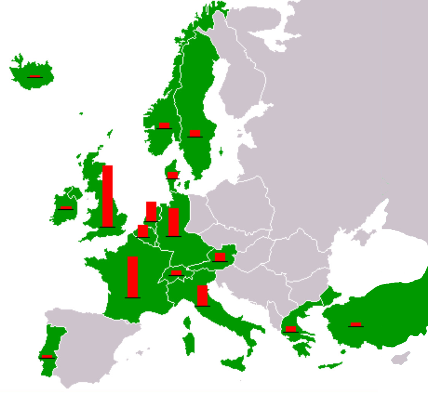


Goals and Rationale
The plan had both humanitarian and strategic aims. On the stated humanitarian level it sought to alleviate food shortages, repair transport and energy networks, and foster economic recovery. Politically and strategically, policymakers in the United States viewed economic dislocation as a risk factor for the spread of communism and Soviet influence, and believed prosperous, interconnected markets would support stable democratic governments. At the same time, many historians note the plan advanced U.S. commercial and geopolitical interests by restoring trading partners and integrating Western Europe more closely with the United States.
Implementation and Funding
Under the ERP the U.S. provided roughly US$13 billion in grants and loans to participating nations over four years. Recipients coordinated recovery through the Organization for European Economic Co-operation (OEEC), which encouraged collective planning, currency stabilization, and reductions in trade barriers. Aid included food, fuel, machinery, and capital for industrial rehabilitation, accompanied by technical advisors and requirements for transparent national plans.
Recipients and Mechanisms
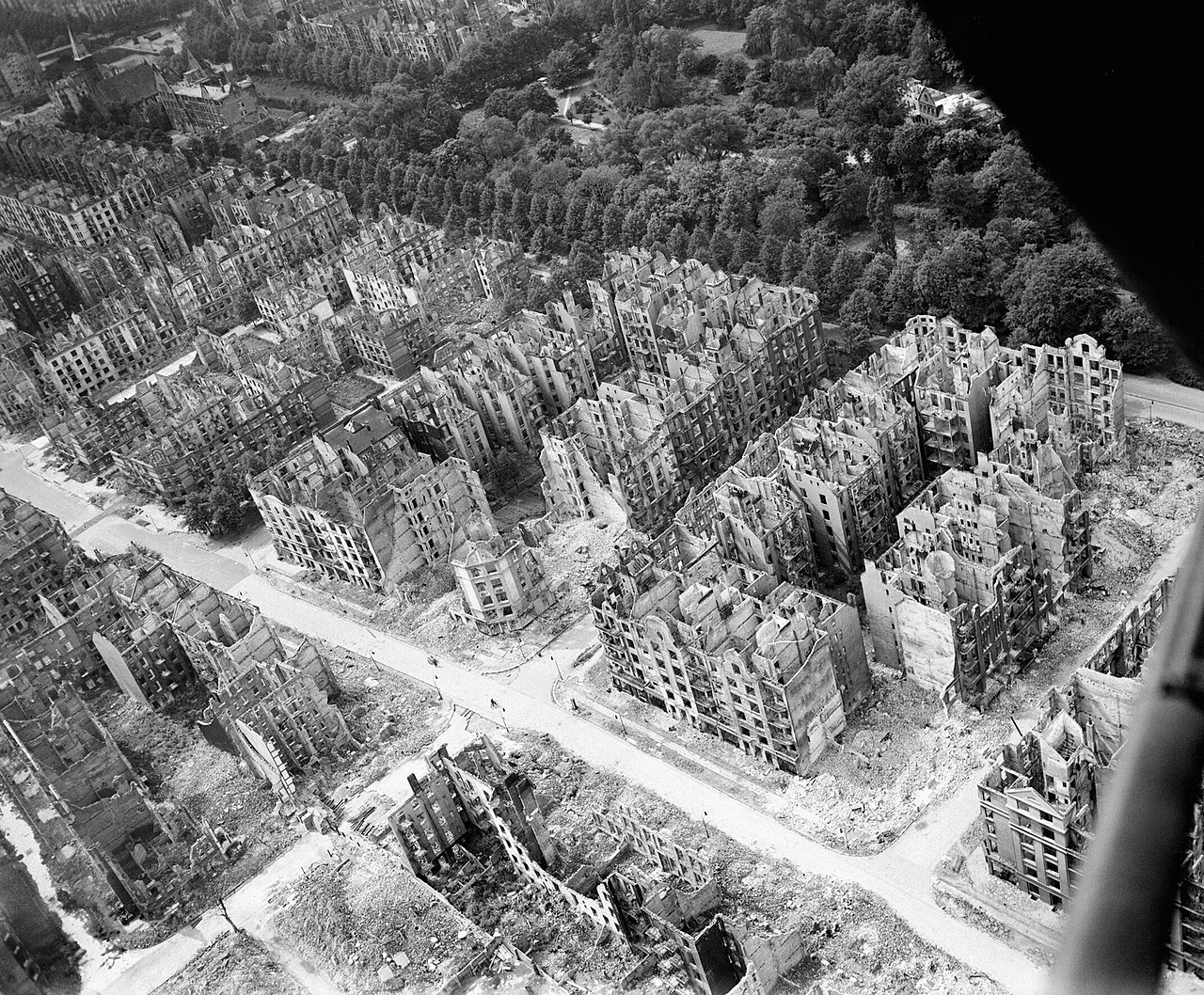
Western European countries, many of which had been devastated by war, applied for and received assistance. Aid distribution varied by country needs and administrative agreements; it blended outright grants with credits and favorable terms. The ERP emphasized reconstruction projects with high economic multiplier effects: rebuilding railways and ports, restocking factories, and reviving agriculture. It also supported currency reforms that facilitated cross-border trade.
Outcomes and Legacy
By the early 1950s most recipient economies had returned to and surpassed prewar production levels. The program accelerated industrial modernization and encouraged economic cooperation that later evolved into wider European integration. Its legacy is debated: many scholars credit the ERP with a decisive role in postwar recovery and in laying foundations for a prosperous Western Europe; others stress preexisting recovery trends and additional factors such as private investment and prior relief efforts, including work by the United Nations and other agencies.
Criticism and Historical Debate
Critics have argued the Marshall Plan was also a tool of U.S. foreign policy designed to bind Western Europe to the American-led economic system and to open markets for U.S. goods. Some historians emphasize that the plan was one among several postwar programs and that internal reforms, social policies, and grassroots entrepreneurship played essential roles. Nonetheless, the ERP remains a key example of large-scale international economic assistance and a formative episode in early Cold War diplomacy.
Further Context and Distinctions
The Marshall Plan is distinct from wartime relief or refugee operations carried out immediately after the conflict; for example, relief efforts handled by many agencies in 1944–47 addressed acute humanitarian needs that preceded the ERP. In the broader sweep of 20th-century diplomacy, the ERP stands out for linking economic recovery to political objectives and for fostering institutional cooperation among European states while strengthening transatlantic ties and shaping the postwar economic order.
For more reading see contemporary documents and analyses housed in national archives and specialized collections; modern overviews are available through academic and governmental sources. Europe-focused studies and economic histories provide detailed country-by-country examinations of implementation and impact.
Questions and answers
Q: What was the Marshall Plan?
A: The Marshall Plan was a plan of the United States for rebuilding the allied countries of Europe after World War II.
Q: Why was the Marshall Plan implemented?
A: The Marshall Plan was implemented to help the recovery of the European countries that had joined in the Organization for European Economic Co-operation and to stop communism and the USSR.
Q: Who was the plan named after?
A: The plan was named after Secretary of State George Marshall.
Q: Who worked out the plan?
A: The plan was worked out by other people in the State Department.
Q: How long did the plan run for?
A: The plan ran for four years beginning in April 1948.
Q: How much economic and technical help was given during the plan's period?
A: US$ 13 billion in economic and technical help were given during the plan's period.
Q: What were some historians' opinions on the Marshall Plan?
A: Some historians have said that another reason for the plan was to make the United States stronger, and to make the countries of western Europe need the United States. They also say that the United Nations (UN) Relief and Rehabilitation Administration, which helped millions of refugees from 1944 to 1947, also helped the European postwar recovery.
Author
AlegsaOnline.com Marshall Plan (European Recovery Program) Leandro Alegsa
URL: https://en.alegsaonline.com/art/62279