
Tammy Wynette
American country singer renowned for 'Stand by Your Man', a string of chart-topping hits, and a lasting influence on country music and its portrayal of women's experiences.
Overview
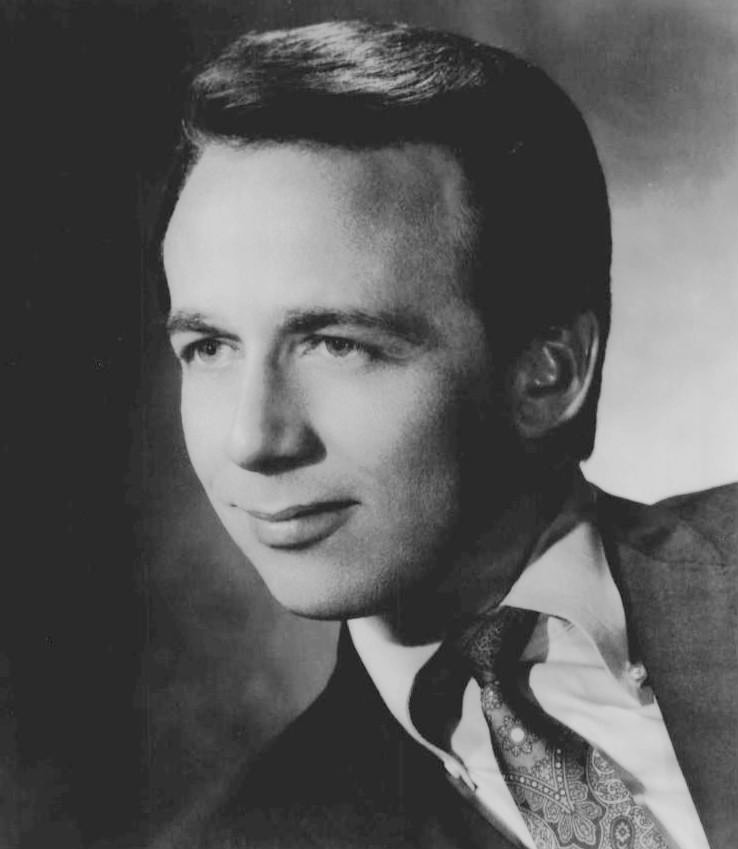
Born Virginia Wynette Pugh on May 5, 1942, Tammy Wynette became one of the most iconic voices in American country music. Performing under the name Tammy Wynette, she achieved wide popularity from the late 1960s onward, recording a sequence of major hits and becoming closely identified with the song "Stand by Your Man." She was widely regarded as a leading singer of her era and amassed numerous chart successes, including 17 number-one singles.
Image gallery
10 Images








Early life and rise
Wynette grew up in rural Mississippi and began singing locally before relocating to Nashville to pursue a professional career. Her breakthrough came after partnering with producer Billy Sherrill, whose orchestral, countrypolitan arrangements helped shape her sound. By blending traditional country themes with polished studio production, she reached a broad audience during a period of commercial expansion for the genre.
Musical style and themes
Her vocal delivery combined a plaintive, expressive tone with clear phrasing, suited to songs about love, marriage, heartbreak and resilience. Wynette’s repertoire often presented the perspective of women confronting domestic struggles and emotional conflict. That focus, together with an accessible, pop-tinged production, made many of her records radio staples and occasional points of cultural debate.
Notable recordings and achievements
- "Stand by Your Man" — widely regarded as her signature record and a defining country ballad.
- "D-I-V-O-R-C-E" — a dramatic narrative about family and separation.
- "I Don't Wanna Play House" — an early hit that showcased her storytelling strengths.
- "Til I Can Make It on My Own" — one of several songs emphasizing personal survival after heartbreak.
Across her career she recorded numerous charting singles and collaborative duets, and her commercial success and public profile made her a central figure in country music through the 1960s, 1970s and beyond.
Personal life, legacy and death
Wynette’s personal life, including high-profile relationships and marriages to fellow country star George Jones, was often the subject of public attention and sometimes reflected in her music. Critics and admirers alike have credited her with helping to popularize a more emotionally direct, female-centered perspective in mainstream country. She received industry honors and has been cited as an influence by later generations of country artists. Tammy Wynette died on April 6, 1998; reports cited pulmonary thrombosis as the cause. Her recordings and public persona continue to be discussed for their musical impact and cultural resonance.
Author
AlegsaOnline.com Tammy Wynette Leandro Alegsa
URL: https://en.alegsaonline.com/art/131583