
Gary Ridgway — the Green River Killer: life, crimes, investigation and legacy
Overview of Gary Ridgway (Green River Killer): background, victim profile, investigation, arrest, plea and sentence, and the case's impact on forensic practice and missing-persons work.
Overview
Gary Leon Ridgway (born February 18, 1949) is an American convicted serial killer commonly known as the Green River Killer. Born in Salt Lake City, Utah, Ridgway lived and worked in the Seattle metropolitan area for much of his adult life. He was linked through investigation and forensic evidence to scores of murders of women and teenage girls discovered beginning in the early 1980s.
Image gallery
4 Images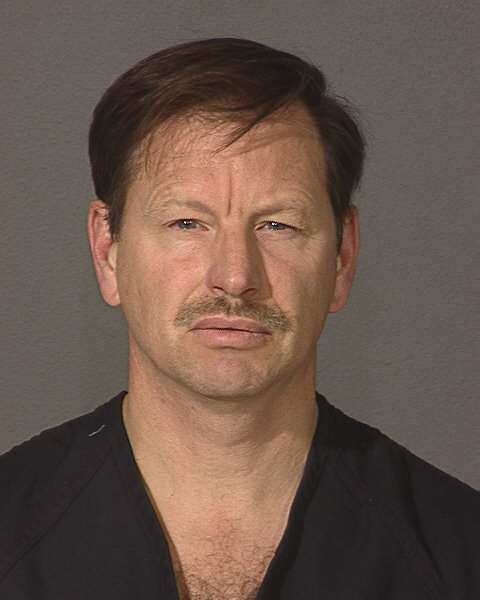
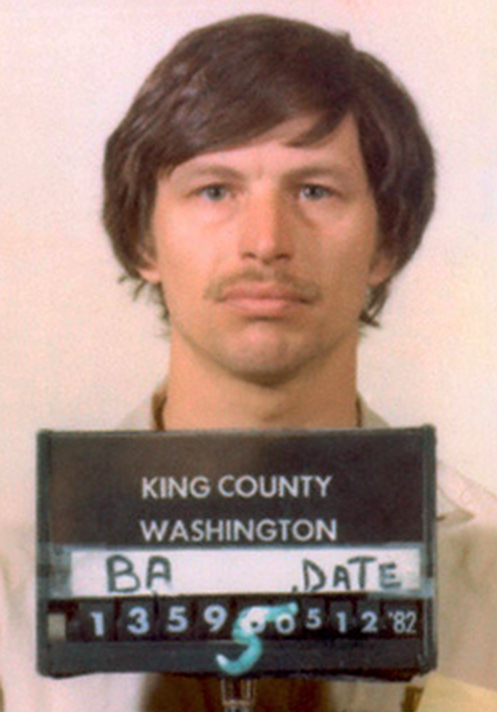


Crimes and modus operandi
Investigators concluded that Ridgway targeted vulnerable women, including runaways and people involved in sex work. His widely reported method was strangulation. Many victims' remains were found in and near King County, Washington; some bodies were discovered along the Green River and at other locations in the region, which is how the case acquired its popular name. The pattern of victim selection and disposal locations allowed law enforcement to connect a series of deaths that occurred over more than a decade.
Investigation and forensic developments
The Green River investigation became one of the longest and largest homicide probes in U.S. history. Early inquiries in the 1980s built extensive files of missing-person reports and evidence, but a suspect was not arrested for many years. Advances in DNA analysis and the re-examination of preserved evidence were decisive in breaking the case. These scientific developments, combined with traditional detective work and witness information, produced genetic links between Ridgway and several victims.
Arrest, prosecution and plea agreement
Ridgway was arrested on November 30, 2001, as he left the Kenworth truck factory in Renton, Washington, where he had been employed. Prosecutors charged him with multiple counts of murder. Facing major criminal exposure and the prospect of capital punishment, Ridgway entered a plea agreement in the early 2000s. Under that agreement he pleaded guilty to numerous murders; an additional conviction under the terms of the plea brought the confirmed legal total to 49 counts. The plea spared a jury trial and the death-penalty option. He received consecutive life sentences without the possibility of parole and remains in Washington State correctional custody.
Confessions, recovered remains and unresolved cases
As part of his cooperation after conviction, Ridgway provided information that led investigators to additional victims and recovery sites. Law enforcement agencies reported that he admitted to crimes beyond those in the original indictments, and officers continued efforts to reconcile his statements with unsolved cases. Some families received closure through recovered remains and confirmed identifications; other missing-person cases in the region remain under review.
Impact and critical assessment
The Green River case had a lasting effect on policing, forensic science and public awareness of missing and exploited persons. It is often cited as an example of the value of preserving evidence and of cross-jurisdictional cooperation when long-term serial crimes are suspected. At the same time, commentators and victim advocates have criticized early investigative choices and stressed the need for timely responses to reports involving marginalized populations. The case influenced reforms in missing-person protocols and cold-case units, and it is frequently studied in criminal justice and forensic courses.
Further reading and resources
- Contemporary news coverage and law-enforcement releases provide timelines of arrests and court proceedings; see archived releases from agencies involved in the Green River investigation official releases.
- Forensic and case analyses examine how DNA re-testing and trace evidence contributed to the investigation forensic reports.
- Prosecution documents and court records discuss the plea agreement and sentencing decisions court records.
- Historical overviews of serial-crime investigations often cite the Green River case in discussions of investigative persistence and inter-agency cooperation case histories.
- Local histories and victims' advocacy groups document community effects and ongoing efforts to identify remains community resources.
- Accounts of the arrest and subsequent developments are available from contemporary reporting and retrospective examinations press coverage.
- Academic discussions of cold-case methodology and ethical issues in plea bargaining reference the Ridgway case as a prominent example academic analysis.
- Law-enforcement summaries and archival materials include evidence inventories and investigative timelines used in long-term homicide probes archival material.
Because details of ongoing investigations and victim identification can change as new information becomes available, readers seeking the most current information should consult official law-enforcement communications and reputable reporting. The Green River case remains a significant subject in studies of forensic advancement, victim advocacy, and the administration of justice in complex, long-running homicide investigations.
Related articles
Author
AlegsaOnline.com Gary Ridgway — the Green River Killer: life, crimes, investigation and legacy Leandro Alegsa
URL: https://en.alegsaonline.com/art/119442
Sources
- crimelibrary.com : "Green River Killer: River of Death"
- doi.org : 10.1097/00000433-199003000-00004