
Gary Bettman: Long‑Serving NHL Commissioner and Executive
NHL commissioner since 1993, Gary Bettman oversaw expansion, a salary‑cap era and commercial growth while facing repeated labor disputes, relocations and mixed fan reactions.
Overview
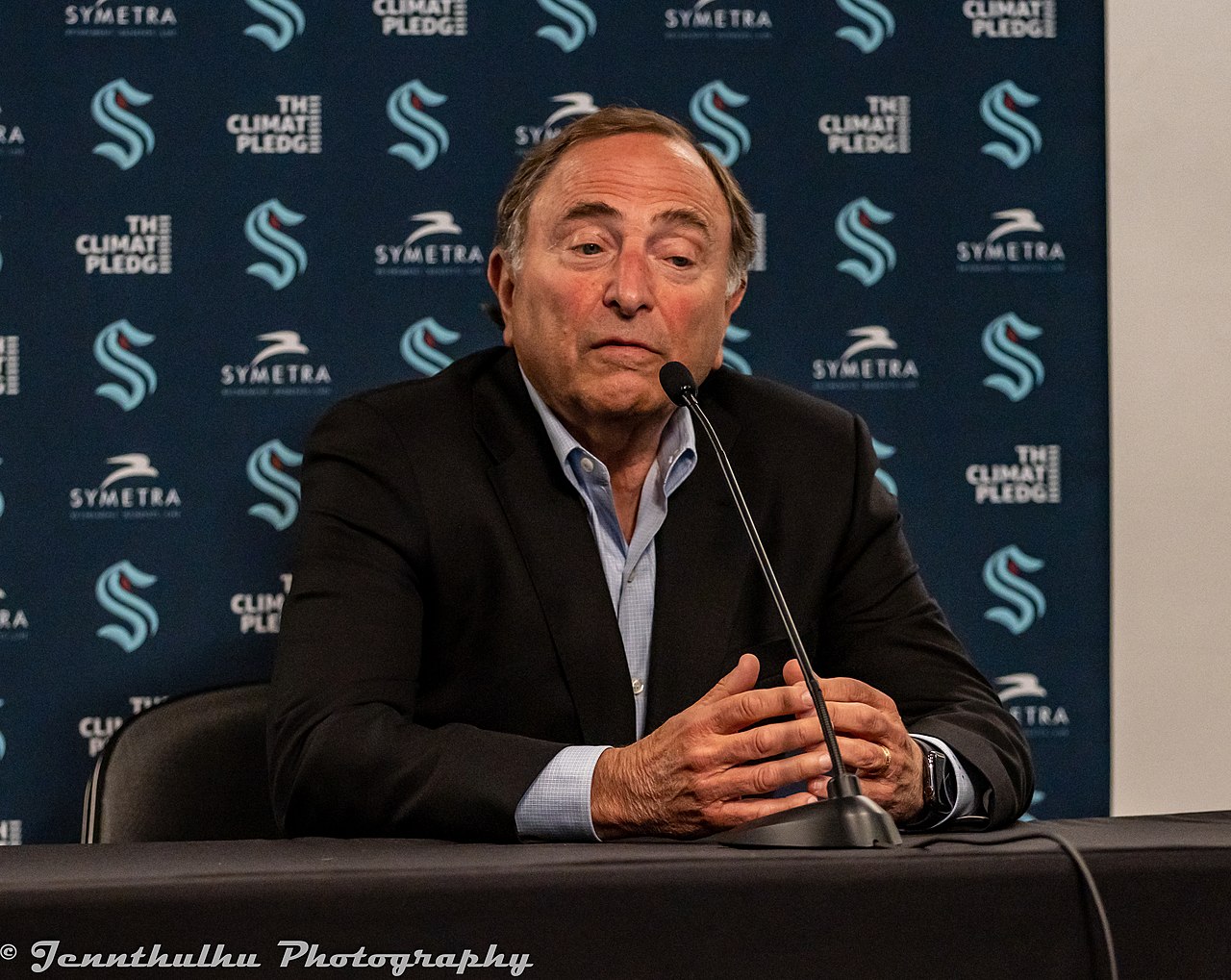
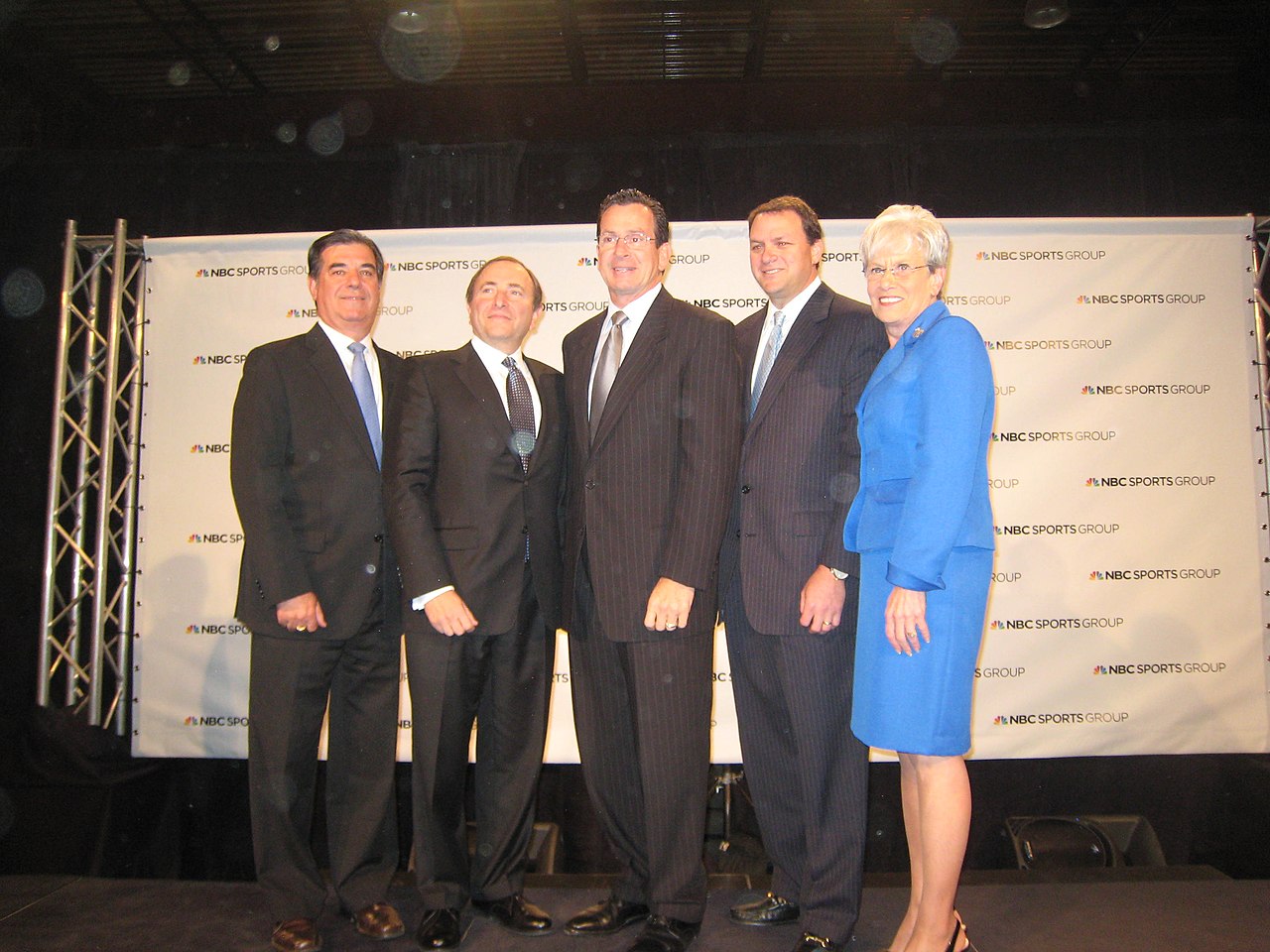
Gary Bettman (born June 2, 1952) is an American sports executive best known for his role as the commissioner of the National Hockey League. He assumed the office on February 1, 1993 and has been a central figure in the league's modern development. For a concise profile see biographical sources.
Image gallery
5 Images


Role and priorities
As commissioner Bettman is responsible for the NHL's commercial strategy, collective bargaining, expansion and franchise governance. His tenure emphasized national television agreements, new marketing initiatives such as high‑visibility outdoor games, and moves to broaden the sport's presence in non‑traditional markets. Supporters credit him with turning the NHL into a more lucrative, nationally visible enterprise; critics say some strategic choices prioritized business growth over traditional hockey markets.
Labor relations and lockouts
Labor disputes have been a recurring feature of Bettman's era. The league experienced multiple work stoppages, including a full cancelled season in the mid‑2000s and shortened seasons resulting from negotiations at other points in his tenure. A lockout that began in the fall of 2012—commonly referenced as the 2012–13 lockout—was particularly contentious and further affected public opinion about league leadership. Bettman presided over the implementation of a salary cap system after the 2004–05 season to address long‑term financial parity concerns.
Impact, controversies and reception
Under Bettman the NHL expanded into new cities, undertook franchise relocations and navigated franchise bankruptcies, developments that produced both growth and controversy. High‑profile relocation and ownership disputes have drawn criticism from fans in affected communities. Public sentiment about Bettman tends to be polarized: business and broadcast leaders often point to greater revenues and exposure, while many fans remain critical because of labor disputes and perceived commercialization of the game.
Notable developments and legacy
- Long tenure as commissioner, beginning in 1993.
- Introduction of a post‑lockout salary cap and revenue sharing mechanisms.
- Expansion and increased TV and sponsorship deals, alongside franchise relocations and legal challenges.
- Repeated labor disputes that shaped the league's modern economics.
For further reading on Bettman's career and the NHL's evolution under his leadership, consult league histories and contemporary reporting that examine both commercial achievements and areas of controversy.
Related articles
Author
AlegsaOnline.com Gary Bettman: Long‑Serving NHL Commissioner and Executive Leandro Alegsa
URL: https://en.alegsaonline.com/art/119413