
Gary Cooper: American film actor known for understated strength
American film star Gary Cooper (1901–1961) was famed for his quiet, honest screen persona. Two-time Best Actor Oscar winner; his career spanned silent films to 1950s classics and lasting influence on cinema.
Gary Cooper (born Frank James Cooper; May 7, 1901 – May 13, 1961) was an American film actor whose career stretched from the silent era into the 1950s. He became one of Hollywood’s most recognizable leading men by projecting a restrained, direct style that critics and audiences often described as the archetypal “strong, silent” screen presence. Cooper made more than three decades of films and left a legacy defined by moral clarity, naturalism, and a reputation for playing honorable, everyman characters.
Image gallery
10 Images





Early career and rise to stardom
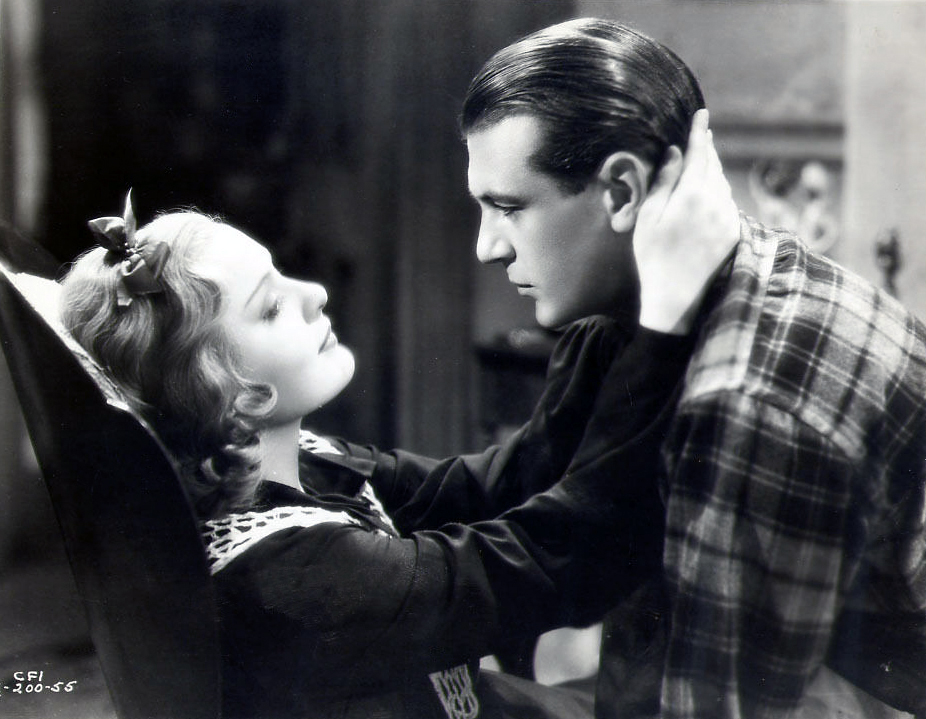
Cooper moved into motion pictures in the 1920s and successfully navigated the transition to talking pictures, a shift that ended many silent-era careers. His physical ease before the camera and simple, unshowy delivery set him apart from more theatrical contemporaries. Over the years he worked with prominent directors and studios, building a steady record of popular and critical successes. For a concise overview of his film roles and credits, see selected resources: career overview and selected filmography.
Notable films and screen persona
Cooper is remembered for a series of films that showcased different facets of his screen persona — from Western stoicism to sympathetic biographical roles and light comedy. His presence was often used to embody decency, resolve, and reluctant heroism rather than flamboyance. Notable titles that illustrate the range of his work include:
- Sergeant York — the wartime drama that earned him one of his Academy Awards.
- High Noon — a tense western regarded as a landmark performance and his second Best Actor win.
- Mr. Deeds Goes to Town — a populist comedy-drama directed by Frank Capra in which Cooper played an earnest small-town man.
- The Pride of the Yankees — a biographical film that reinforced his image as a noble leading man.
- Beau Geste — an earlier adventure from the silent-to-sound transition period that helped establish his screen credentials.
These films remain touchstones in American cinema for their storytelling and for Cooper’s consistent ability to convey depth with economy of means. Film scholars often point to his influence on later actors who favor subtlety over overt theatricality.
Awards, reputation and legacy
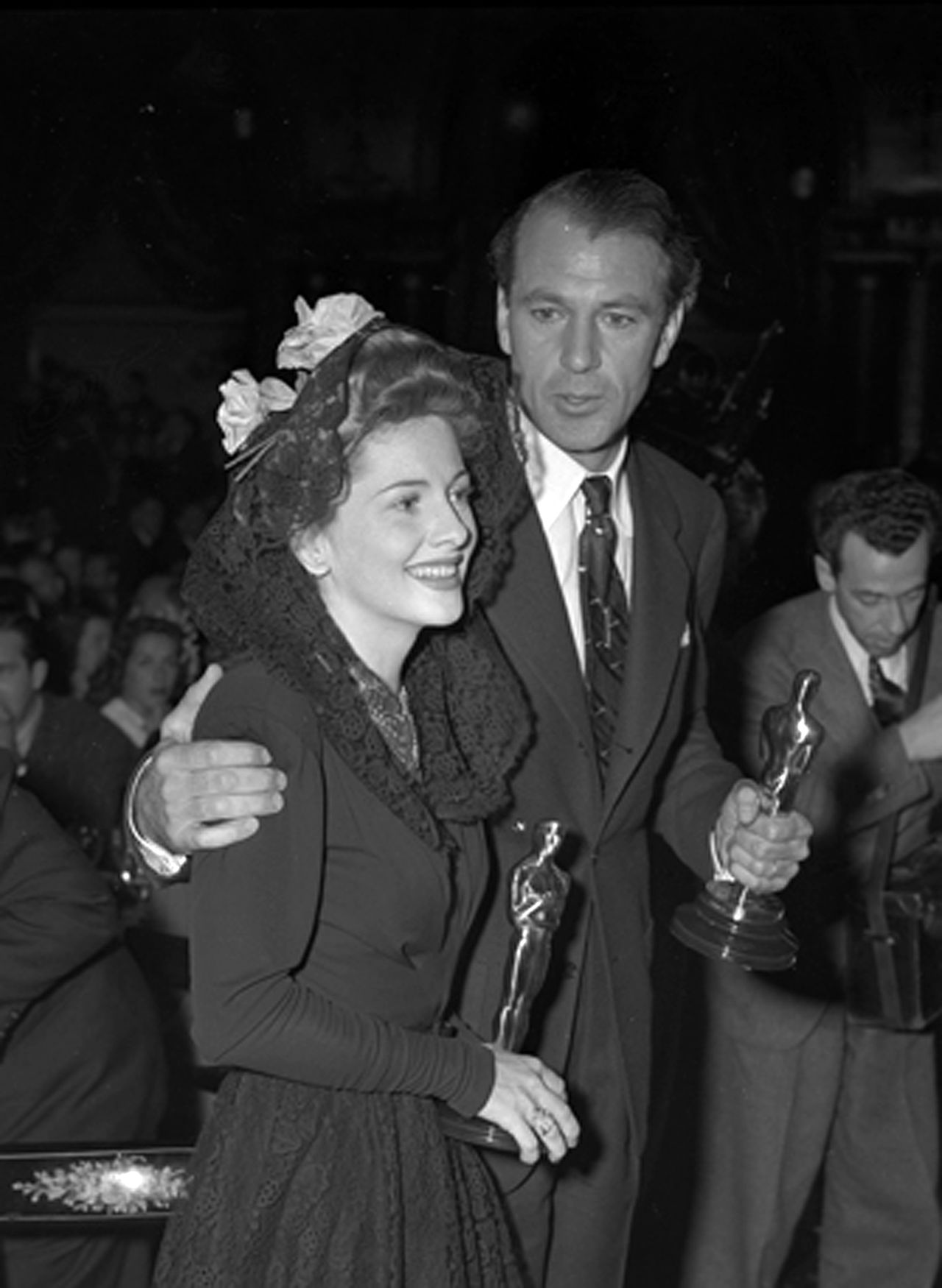
During his lifetime Cooper received five Academy Award nominations for Best Actor and won twice, in 1941 and 1952. After his death he was honored with an Honorary Award by the Academy in 1961. In 1999 the American Film Institute included him among the Greatest Male Stars of All Time, ranking him near the top of that list. These honors reflect both his commercial success and sustained critical esteem. For institutional records and honors, see this reference: honors and recognition.
Beyond awards, Cooper’s importance lies in his embodiment of a particular star image: a combination of reliability, moral seriousness, and minimalism in performance. He shaped mid-century ideas about masculine heroism on screen and influenced acting styles in popular film. Contemporary retrospectives and film histories continue to examine his work and its cultural resonance; additional commentary and archives can be consulted at further reading.
Related articles
Author
AlegsaOnline.com Gary Cooper: American film actor known for understated strength Leandro Alegsa
URL: https://en.alegsaonline.com/art/119421
Sources
- archive.is : hollywood.com