
Gary Cohn — American investment banker and former White House economic advisor
Gary Cohn is an American investment banker who served as Director of the National Economic Council and chief economic advisor to President Trump (2017–2018), previously president and COO of Goldman Sachs.
Gary David Cohn (born August 27, 1960) is an American banker and policy adviser known for his long career at Goldman Sachs and his role in the Trump administration. He served as president and chief operating officer of Goldman Sachs until 2017 and then became Director of the National Economic Council and the administration's chief economic advisor. Cohn's tenure in government was marked by work on tax and regulatory policy and by a public disagreement with trade measures that led to his resignation in early 2018.
Image gallery
4 Images
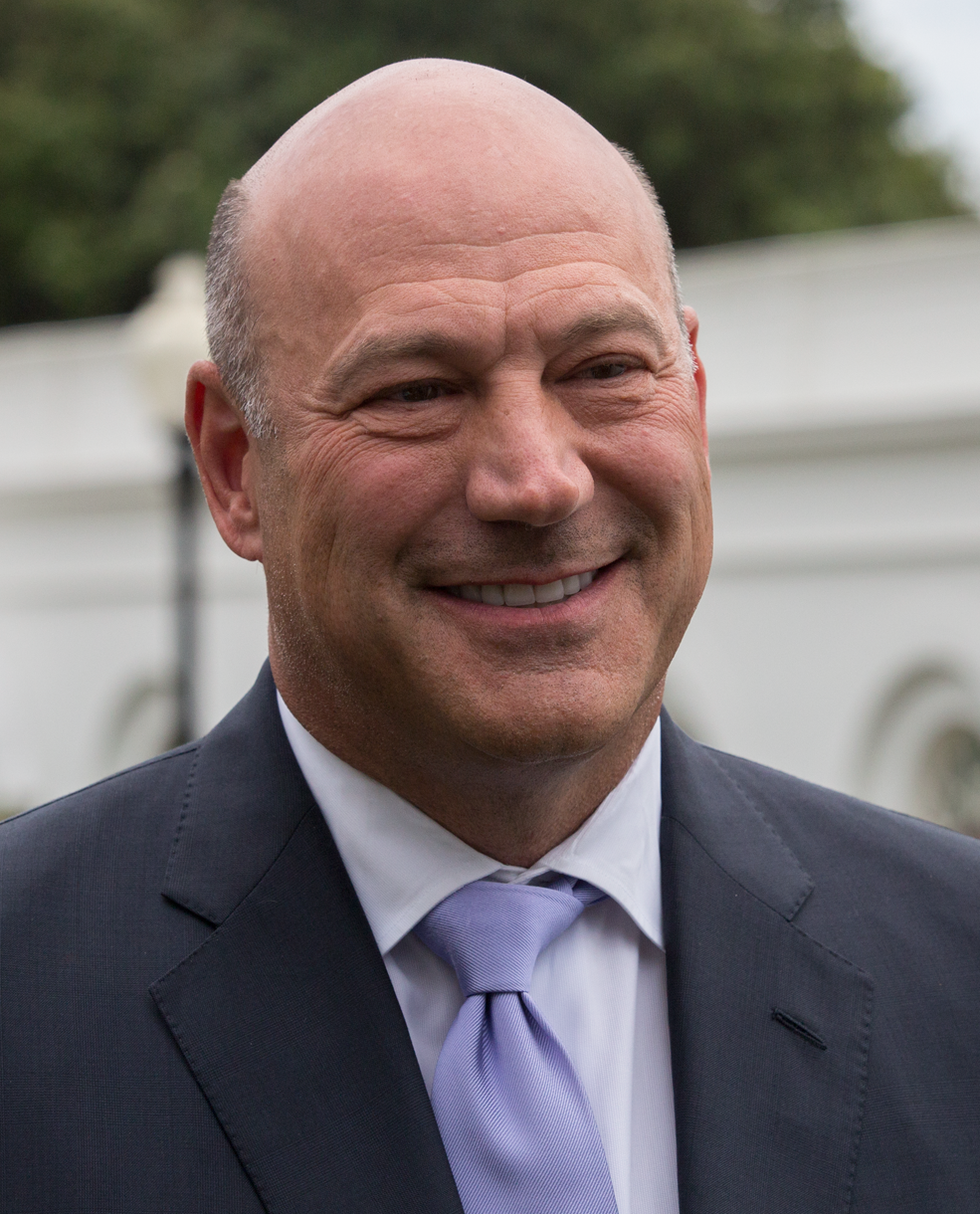


Career in finance
Cohn spent decades in investment banking, rising through the ranks at a major global firm to become its president and chief operating officer, a senior management role he held from 2006 to 2017. In that capacity he oversaw large parts of the firm's business and was widely regarded as a leading figure on Wall Street. For more on his corporate career see his corporate profile: Goldman Sachs profile.
Role in government
In 2017 Cohn joined the White House as Director of the National Economic Council, acting as the president's top economic adviser. He played a central role in the administration's efforts on tax reform and deregulation, working with lawmakers and industry on policies intended to stimulate economic growth. He was seen as a moderate, pro-business voice inside the administration and often advocated for market-friendly approaches. His official White House biography and statements are archived here: White House profile.
Notable positions and resignation
- Key positions: president and COO of a leading investment bank (2006–2017); Director of the National Economic Council (2017–2018).
- Policy focus: tax reform, regulatory rollback, financial markets, and corporate engagement with government.
- Resignation: Cohn resigned in March 2018 after publicly opposing broad tariffs and trade measures that he feared would trigger retaliatory actions and disrupt markets.
Political stance and influence
Although registered as a Democrat, Cohn has been active in funding candidates across party lines and is considered a centrist businessman who favors pragmatic, market-oriented solutions. During his time in the administration he was frequently described as one of the more influential economic voices, working to balance White House priorities with concerns from investors and international partners.
After leaving government, Cohn has remained a prominent figure in discussions about the relationship between Wall Street and Washington, particularly on topics such as tax policy, trade, and the regulation of financial institutions.
Related articles
Author
AlegsaOnline.com Gary Cohn — American investment banker and former White House economic advisor Leandro Alegsa
URL: https://en.alegsaonline.com/art/119418
Sources
- axios.com : "Inside Trump World"
- washingtonpost.com : "Trump to name Goldman Sachs veteran, Gary Cohn, to head National Economic Council"
- usnews.com : "Goldman Sachs President Offered Top National Economic Council Job"
- bloomberg.com : "Trump Meets With Goldman's Cohn as Dinner Set With Romney"
- campaignmoney.com : "Gary Cohn - $68,642 in Political Contributions for 2016"
- washingtonpost.com : "Within Trump's inner circle, a moderate voice captures the president's ear"
- nytimes.com : "Gary Cohn to Resign as Trump's Top Economic Adviser"