
Frank Wilson — Premier of Western Australia (1859–1918)
Frank Wilson was a conservative Australian politician who served twice as Premier of Western Australia (1910–11, 1916–17). His career intersected with the rise of Labor, wartime politics and the Country Party.
Overview
Frank Wilson (12 May 1859 – 7 December 1918) was an Australian politician who served as the ninth Premier of Western Australia on two separate occasions: first from 16 September 1910 to 7 October 1911, and again from 27 July 1916 to 28 June 1917. He was aligned with the conservative groupings of his era, including the Liberal League, the Ministerialists and later Liberal-aligned parties that opposed the emerging Australian Labor movement. His political life was shaped by the rapid party realignments of early 20th-century Western Australia and by national issues arising from World War I.
Image gallery
4 Images


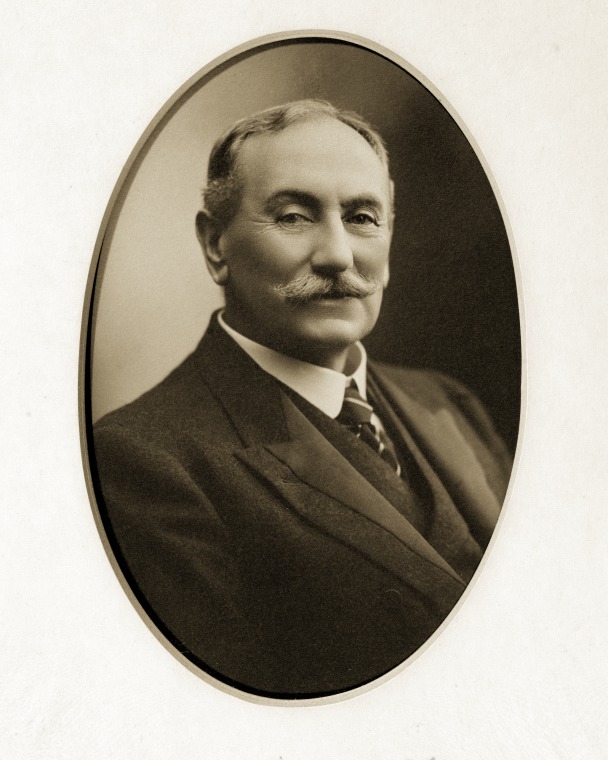
Political career and positions
Wilson entered parliamentary politics at a time when party labels and allegiances were fluid. He led anti-Labor coalitions and governed with the support of members from various conservative factions. Key dates in his career include:
- First premiership: 16 September 1910 – 7 October 1911.
- Second premiership: 27 July 1916 – 28 June 1917.
During his time in office he represented the interests of non-Labor members who sought to balance development, infrastructure and business concerns with emerging social policy debates. His governments were part of a broader non-Labor effort to organize politically in the face of Labor's growing strength.
Government, policy and context
Wilson's administrations operated within a colonial-style Westminster system adapted to Australian federal realities. The period saw increasing public debate over issues such as land settlement, agricultural support, infrastructure investment and industrial relations. While specifics of each bill and program varied, Wilson's leadership reflected the conservative priorities of his supporters: promoting economic development and resisting Labor's program of expanded state intervention.
His second term coincided with wartime pressures. The conscription debates and the need to coordinate the state's contribution to the national war effort intensified political divisions. These tensions led to new alignments among non-Labor groups and rural interests.
Elections, loss of support and defeat
Wilson's first government was defeated in the October 1911 election by the Australian Labor Party, which had been consolidating working-class support. In 1916 he was able to bring together anti-Labor members and return to the premiership, but the wartime realignment of parties proved unstable. Rural and agrarian interests coalesced as the Country Party, and some of these elements joined with pro-war or pro-conscription forces to form alternative national groupings that eroded Wilson's backing.
In the tightly contested October 1917 election he lost his parliamentary seat to a Country Party candidate by only four votes, an outcome that underlined the fragility of political coalitions during that era.
Later life and death
After his defeat in 1917, Wilson's health deteriorated. He became seriously ill with cancer and died a few months later on 7 December 1918. His death came as Australia and the world were coping with the combined strains of war and the global influenza pandemic.
Legacy and notable facts
- Wilson's two non-consecutive premierships illustrate the volatile party politics of early 20th-century Western Australia.
- He played a role in the organization of conservative forces opposed to Labor's rise, a process that contributed to the later formation of more stable party structures.
- His political career intersected with the emergence of the Country Party and wartime national realignments that reshaped Australian politics.
For further reference on the office he held, see the list of Western Australian premiers: Premiers of Western Australia. Additional context on the national wartime politics that affected his career is available via sources discussing World War I and domestic political responses. Medical and biographical notes often reference his illness with cancer in accounts of his final months.
Related articles
Author
AlegsaOnline.com Frank Wilson — Premier of Western Australia (1859–1918) Leandro Alegsa
URL: https://en.alegsaonline.com/art/119179
Sources
- waec.wa.gov.au : "Premiers of Western Australia"
- adb.online.anu.edu.au : "Wilson, Frank (1859–1918)"