
Sir Francis Forbes
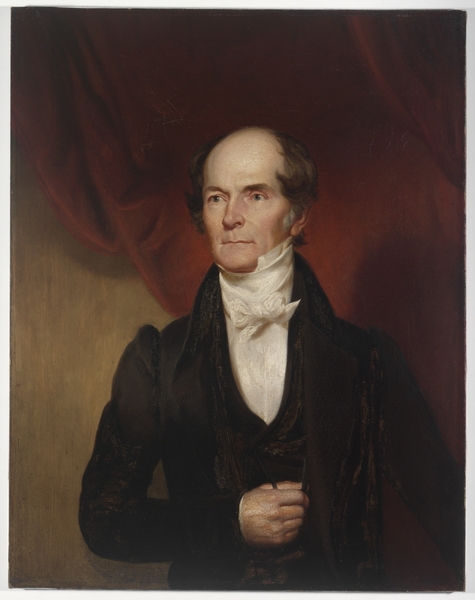
Sir Francis Forbes (1784–1841) was the first Chief Justice of New South Wales who helped establish the colony's superior courts and left a legacy including the town of Forbes, New South Wales.
Overview
Sir Francis Forbes (1784–1841) was a British-trained lawyer who served as the first Chief Justice in the colony of New South Wales. He is remembered for helping to create a formal, civilian court system in a settlement that had previously relied heavily on military and ad hoc tribunals. Contemporary accounts present him as a key figure in the transplantation of English law to the Australian colony.
Image gallery
4 Images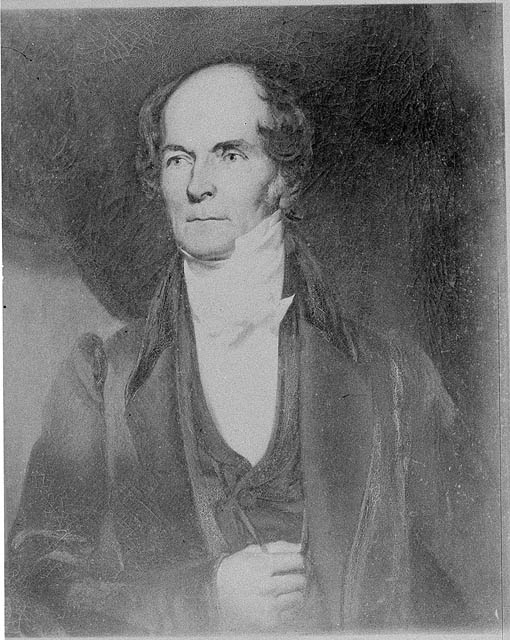


Role and responsibilities
As the colony's senior judicial officer, Forbes presided over the superior court that handled both civil and criminal matters. His duties combined administration and adjudication: organizing court procedures, interpreting statutes and colonial regulations, and ensuring that trials followed recognisable legal standards. In this capacity he acted as a judge and as an institutional founder.
Historical context
When Forbes arrived, New South Wales still relied in part on military tribunals, magistrates' courts and governor-led commissions for justice. The move toward a formal judiciary reflected broader changes in colonial governance — a push to extend English legal institutions, protect private property, and regularise dispute resolution as the settlement grew in population and complexity.
Legacy and influence
Forbes's work had lasting effects on the colony's legal culture: establishing procedures, precedent and a stronger separation between civil courts and executive authority. His name survives geographically; the inland town of Forbes, New South Wales was named in his honour. Histories of Australian law commonly cite him as a foundational figure in the development of the colony's judiciary.
Notable facts
- He is frequently cited in discussions of early colonial legal reform and the adaptation of English law overseas.
- His tenure exemplified the challenges of applying metropolitan legal traditions in a frontier society.
- The institutional structures he helped establish continued to evolve but provided the basis for later courts.
Today Forbes is studied both for his decisions and for his administrative role in shaping a professional judiciary in Australia. For readers seeking further detail, archival court records and specialist histories of Australian law offer fuller accounts of his judgments and reforms.
Related articles
Author
AlegsaOnline.com Sir Francis Forbes Leandro Alegsa
URL: https://en.alegsaonline.com/art/119076
Sources
- lawlink.nsw.gov.au : "Sir Francis Forbes"
- adb.online.anu.edu.au : "Forbes, Sir Francis (1784-1841)"