
Francis I, Holy Roman Emperor (Francis Stephen of Lorraine)
Francis I (1708–1765), husband of Maria Theresa, Duke of Lorraine turned Grand Duke of Tuscany and Holy Roman Emperor; founder with Maria Theresa of the Habsburg-Lorraine line and father of Marie Antoinette.
Francis I (Francis Stephen of Lorraine; 8 December 1708 – 18 August 1765) was a European sovereign whose marriage to Archduchess Maria Theresa reshaped the Habsburg succession. Born into the ducal house of Lorraine, he combined dynastic inheritance and diplomatic compromise to become a central figure in mid‑18th century imperial politics.
Image gallery
8 Images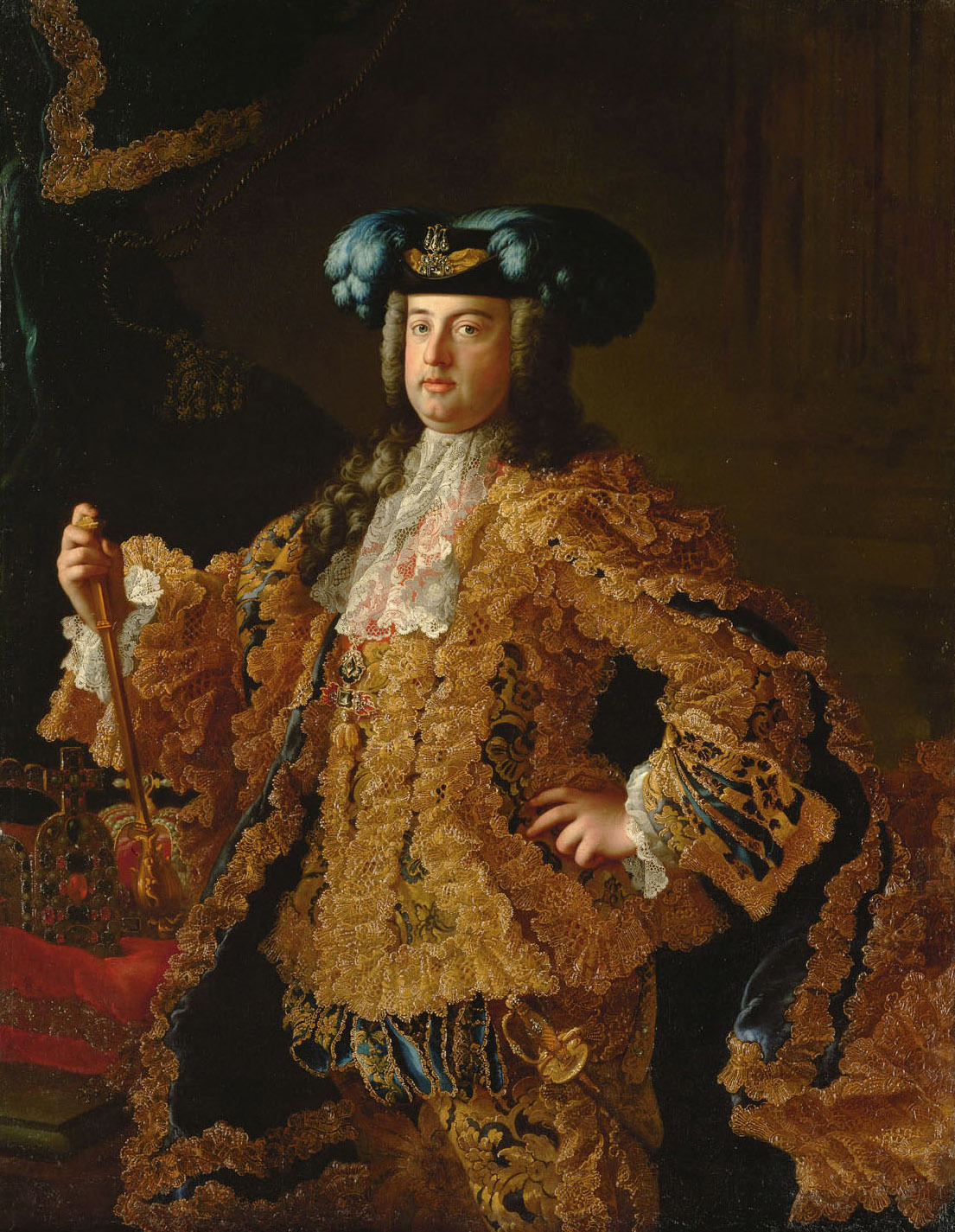



Positions and titles
Francis held several principal titles during his life. In his youth he succeeded to the duchy of Lorraine, later exchanged that position in a diplomatic settlement that handed control of the territory to France. He became Grand Duke of Tuscany as part of the same realignment of Italian and French interests. After the death of the reigning emperor, Francis was elected Holy Roman Emperor and reigned from the mid‑1740s until his death in 1765.
Marriage, dynasty and family
The marriage of Francis to Maria Theresa was both a personal and a dynastic union. Their partnership established the Habsburg‑Lorraine line that continued to rule the hereditary Habsburg lands. The couple had many children; among them was Marie Antoinette, who later became queen consort of France. Francis’s role is often described as that of imperial consort and co‑founder of a new dynasty rather than an independent autocratic ruler of the Habsburg domains.
Political role and reputation
Although Francis held the imperial title, much of the day‑to‑day governance of the hereditary Habsburg territories remained under Maria Theresa’s direction. Francis supported his wife’s efforts and took charge of financial and administrative initiatives at times, acting as a stabilizing partner in a period of military conflict and reform across Europe. His election as emperor helped secure international recognition of the Habsburg inheritance for their children.
Cultural interests and legacy
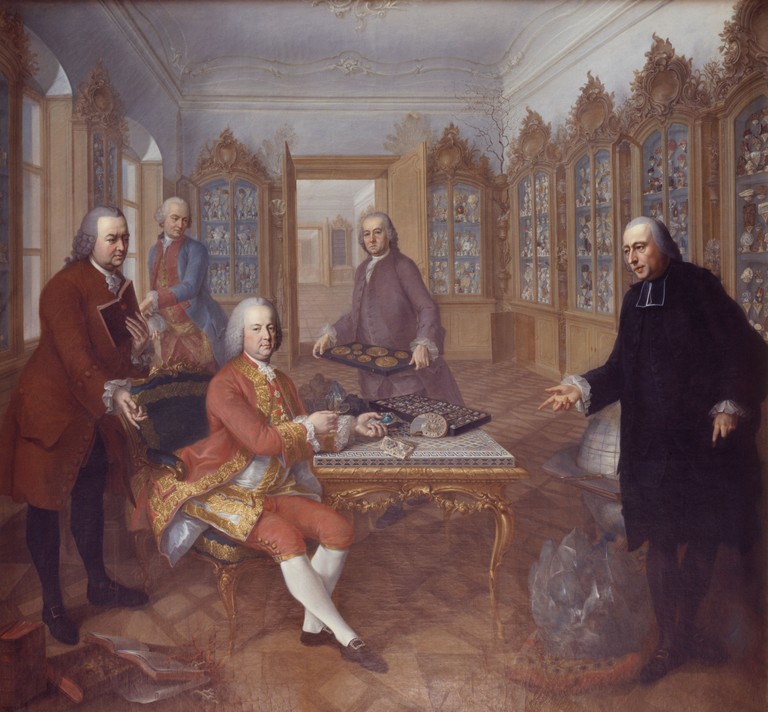
Francis showed interest in the arts, sciences, and courtly culture typical of Enlightenment‑era sovereigns. He and Maria Theresa together patronized institutions and reforms that influenced governance and society in their realms. Historically, his significance rests on the dynastic continuity he provided and the political arrangements—most visibly the transfer of Lorraine and the occupation of Tuscany—that shaped the map of 18th‑century Europe.
Quick facts
- Born: 8 December 1708; Died: 18 August 1765.
- Origin: House of Lorraine; later associated with the Habsburg‑Lorraine dynasty.
- Main roles: Duke of Lorraine (in youth), Grand Duke of Tuscany, Holy Roman Emperor.
Together with Maria Theresa, Francis I remains a historically significant figure for his dynastic role, his imperial title, and his participation in the diplomatic settlements that defined the balance of power in his era.
Questions and answers
Q: Who was Francis I?
A: Francis I was the consort of Maria Theresa of Austria and the founder of the Habsburg-Lorraine dynasty.
Q: When was he born?
A: He was born on 8 December 1708.
Q: When did he become Duke of Lorraine?
A: He became Duke of Lorraine in 1728 and held this title until 1737.
Q: What happened to Lorraine after 1737?
A: After 1737, he had to give Lorraine to France.
Q: Who was his wife?
A: His wife was Maria Theresa of Austria.
Q: Who was his daughter?
A: His daughter was Marie Antoinette, who later became Queen of France.
Related articles
Author
AlegsaOnline.com Francis I, Holy Roman Emperor (Francis Stephen of Lorraine) Leandro Alegsa
URL: https://en.alegsaonline.com/art/119081
Sources
- biography.com : "Marie Antoinette"