
Frances Oldham Kelsey: the FDA reviewer who blocked thalidomide
Canadian-American pharmacologist Frances Kelsey (1914–2015) is known for preventing the U.S. approval of thalidomide, prompting drug-safety reforms and earning national honors.
Frances Kathleen Oldham Kelsey (July 24, 1914 – August 7, 2015) was a Canadian-born pharmacologist and physician who became widely known for her refusal to approve the sedative thalidomide for marketing in the United States. Her caution about the drug's safety helped avert a large-scale public health tragedy and led to changes in drug regulation and review. For a concise overview of her life and career see biographical summary.
Image gallery
4 Images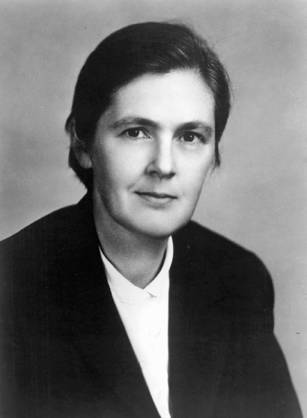


Early life and education
Kelsey was born and raised in Canada. She later pursued advanced study in pharmacology and medicine, combining laboratory research with clinical training. Her Canadian roots remained an important part of her identity; more about her early background and connections is available at Canadian records. She would eventually become a dual figure in North American medical history, with ties to both Canada and the United States (American career highlights).
Work at the U.S. Food and Drug Administration
Kelsey joined the U.S. Food and Drug Administration (FDA) as a reviewer, where she examined applications for new drugs. In 1960 she was assigned to review an application for thalidomide, a sedative and antiemetic that had been used elsewhere. Unlike several reviewers who relied on prior foreign approvals, she requested more rigorous evidence and resisted pressure to authorize the drug without adequate safety data (thalidomide).
The thalidomide decision and public-health impact
Kelsey’s doubts were vindicated when investigators linked thalidomide to severe congenital abnormalities in newborns, primarily affecting limb development (birth defects). Because the drug had not been widely marketed in the United States, the scale of the U.S. tragedy was far smaller than elsewhere. Kelsey’s insistence on better evidence is often cited as a turning point in modern drug regulation.
Consequences, reforms, and recognition
Her action prompted Congressional hearings and contributed to major reforms of the U.S. drug-approval process, including stronger requirements for controlled clinical trials and clearer standards for safety and efficacy. For her role in protecting public health she received national recognition, including the President's Award for Distinguished Federal Civilian Service presented by President John F. Kennedy (presidential honor).
Later career and legacy
Kelsey continued to work at the FDA for many decades, retiring after a long public service career. She maintained ties to Canada and spent her later years in Ontario; she died at her daughter's home in London, Ontario (London, Ontario) at age 101. Her legacy endures in strengthened regulatory practices and in the professional example she set for scientific independence and patient safety.
Notable facts and timeline
- 1914: Born in Canada; advanced studies in pharmacology and medicine.
- 1950s–1960s: Joined the U.S. FDA as a drug reviewer and became central to the thalidomide review.
- Early 1960s: Refusal to approve thalidomide for U.S. marketing, later vindicated by evidence linking the drug to congenital abnormalities.
- 1962: Received the President's Award for Distinguished Federal Civilian Service for her role in protecting public health.
- 2005: Retired from the FDA after decades of service; died in 2015 at age 101.
Frances Kelsey is remembered as an exemplar of rigorous scientific judgment applied to public policy. Her career illustrates how individual expertise and ethical steadfastness can influence regulatory systems and protect populations from unintended harms.
Related articles
Author
AlegsaOnline.com Frances Oldham Kelsey: the FDA reviewer who blocked thalidomide Leandro Alegsa
URL: https://en.alegsaonline.com/art/119050
Sources
- epe.lac-bac.gc.ca : "Frances Kelsey"
- presidency.ucsb.edu : "Remarks upon presenting the President's Awards for Distinguished Federal Civilian Service"
- pubs.acs.org : "Top Pharmaceuticals: Thalidomide"
- theglobeandmail.com : Canadian doctor who kept thalidomide out of U.S. dies