
Filip Vujanović — Montenegrin politician and former president
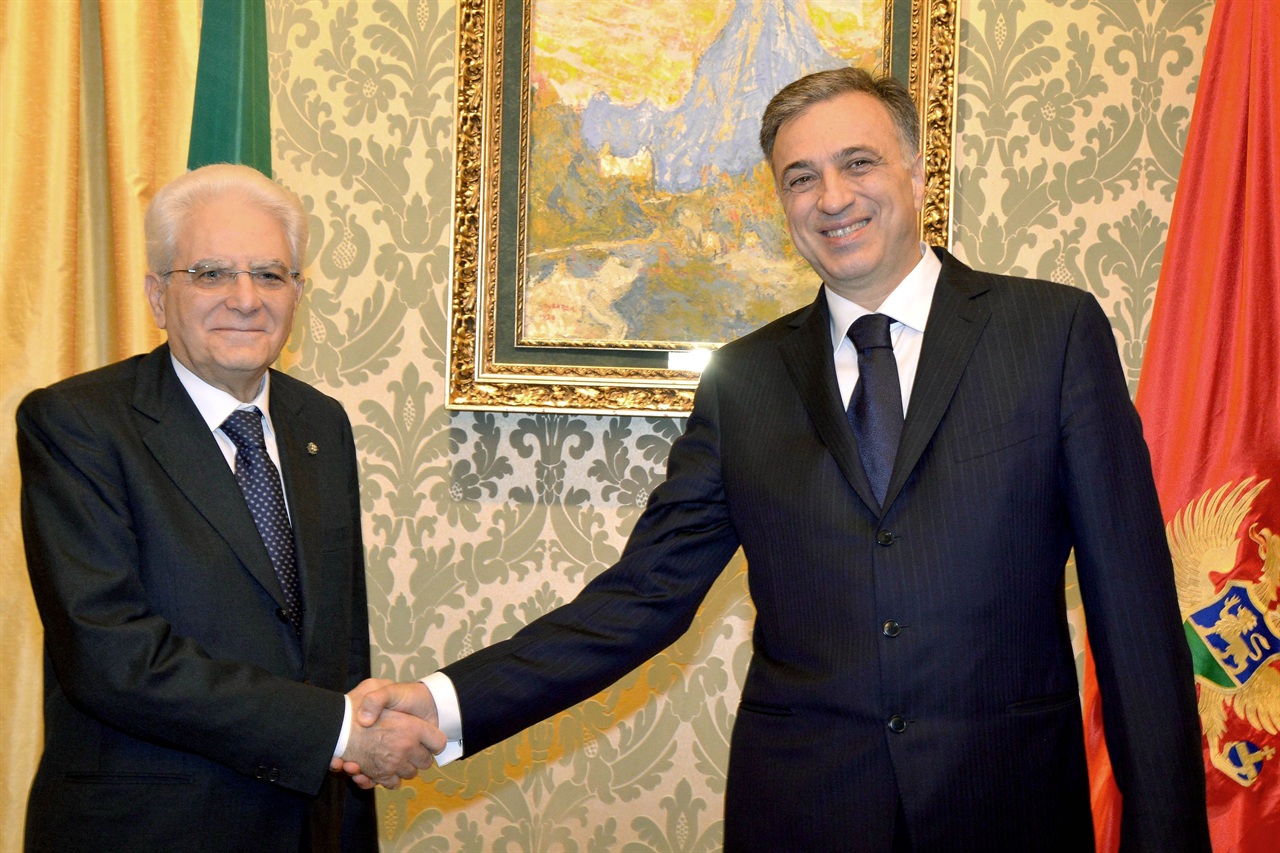
Filip Vujanović (born 1 Sept 1954) is a Montenegrin politician who served as President of Montenegro from 2003 to 2018 and was the country's first head of state after independence in 2006.
Filip Vujanović (born 1 September 1954 in Belgrade) is a Montenegrin statesman best known for serving as President of Montenegro from 2003 until 2018. A long-standing figure in Montenegrin public life, he rose through the ranks of the dominant post-socialist party and occupied several senior government positions before and during the period when Montenegro re-established itself as an independent state.
Image gallery
8 Images


Overview and background
Vujanović trained in law and entered public service during the final decades of socialist Yugoslavia and the subsequent political transformations in the region. Identified with the political movement that led Montenegro through a shift toward market-oriented reforms and Euro-Atlantic integration, he became a recognizable national figure by the late 1990s and early 2000s. He is widely described as a Montenegrin politician with deep ties to the country’s main political organization of the era.
Political career and offices
Before his presidency, Vujanović held a sequence of senior posts in Montenegro’s government and parliament. In 2003 he assumed the presidency and then continued in that office after Montenegro voted for independence in June 2006, becoming the first president of the independent state. He remained head of state through a period of constitutional and international realignment until stepping down in 2018.
Presidency: role and significance
As President of Montenegro, Vujanović performed the representative and constitutional duties of the office while national authorities navigated the challenges of international recognition, EU integration processes and security policy decisions. During his tenure the country pursued closer ties with Western institutions, culminating in major international developments that reshaped Montenegro’s external orientation.
Legacy and assessment
Assessments of Vujanović’s legacy vary. Supporters credit him with steady stewardship during a formative era and with helping to anchor Montenegro’s state institutions after independence. Critics have pointed to debates about the balance of executive power and the influence of party structures on public institutions. Regardless of perspective, his long tenure and central role during Montenegro’s transition make him a significant figure in the country’s contemporary history.
Notable facts
- Born 1 September 1954 in Belgrade.
- Served as President of Montenegro from 2003 to 2018, including as the first president after independence in 2006.
- Played a public role during Montenegro’s Euro-Atlantic orientation and institutional consolidation.
Related articles
Author
AlegsaOnline.com Filip Vujanović — Montenegrin politician and former president Leandro Alegsa
URL: https://en.alegsaonline.com/art/118953
Sources
- int.iol.co.za : Profile