
Firoz Shah Tughlaq: Sultan, Reformer, and Builder of the Delhi Sultanate
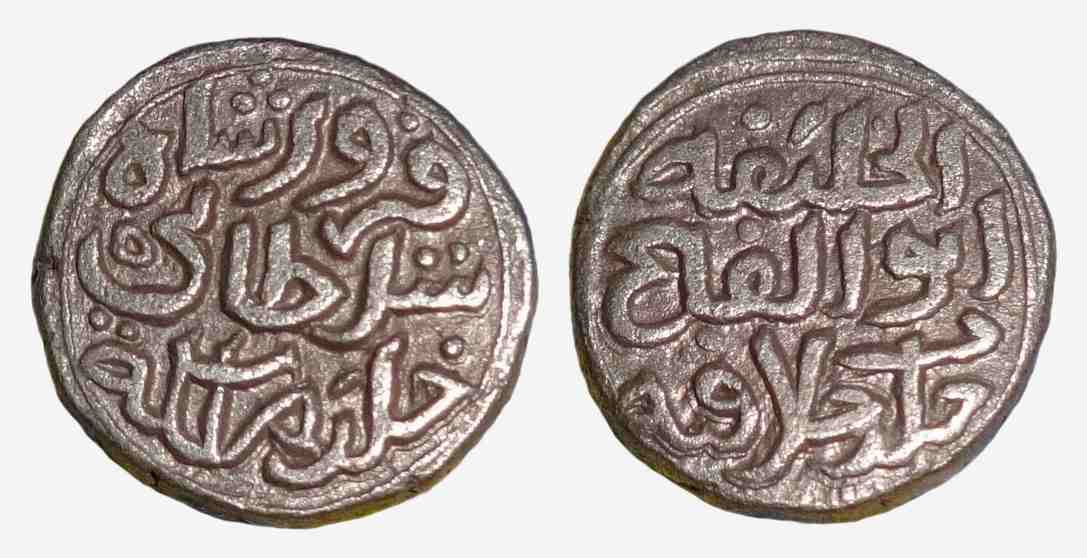
Firoz Shah Tughlaq (1309–1388) ruled the Delhi Sultanate from 1351–1388. His long reign is noted for public works, administrative measures, religious policy, and efforts to stabilize the realm after earlier turmoil.
Firoz Shah Tughlaq (1309–20 September 1388) was a ruler of the Tughlaq line who governed the Delhi Sultanate from 1351 until his death in 1388. He came to power after the death of his cousin Muhammad bin Tughlaq and presided over a period of relative recovery following a decade of military overstretch and domestic unrest. His reign is remembered less for territorial expansion than for attempts to restore order, rebuild infrastructure, and codify aspects of governance.
Accession and early challenges: Firoz Shah was persuaded to accept the throne amid confusion after Muhammad bin Tughlaq's death in Sindh (Thatta) and the collapse of central control over several provinces. The new sultan confronted rebellions, secessionist tendencies, and weakened revenue systems. He negotiated with regional powers, including those in Gujarat, and had to balance military action with administrative concessions to retain a workable realm. He took formal possession of the capital and the symbols of rule at the throne of Delhi and then set about reorganizing royal finances and local administration.
Image gallery
10 Images





Administrative measures and religious policy
Firoz Shah combined pragmatic administration with a preference for Sunni orthodoxy. He patronized Islamic scholars and Sufi figures, called ulama to congregational prayers in newly built mosques, and sought to align state practice with Sunni principles while applying aspects of Sharia to public matters. To stabilize revenue, he reasserted royal control over land assignments, encouraged resettlement of agricultural lands, and delegated authority to trusted lieutenants. At the same time, the decentralizing pressures that had emerged under his predecessor continued: provinces such as Bengal briefly asserted autonomy before being re‑subdued, and local governors often exercised wide discretion.
Major projects and constructions
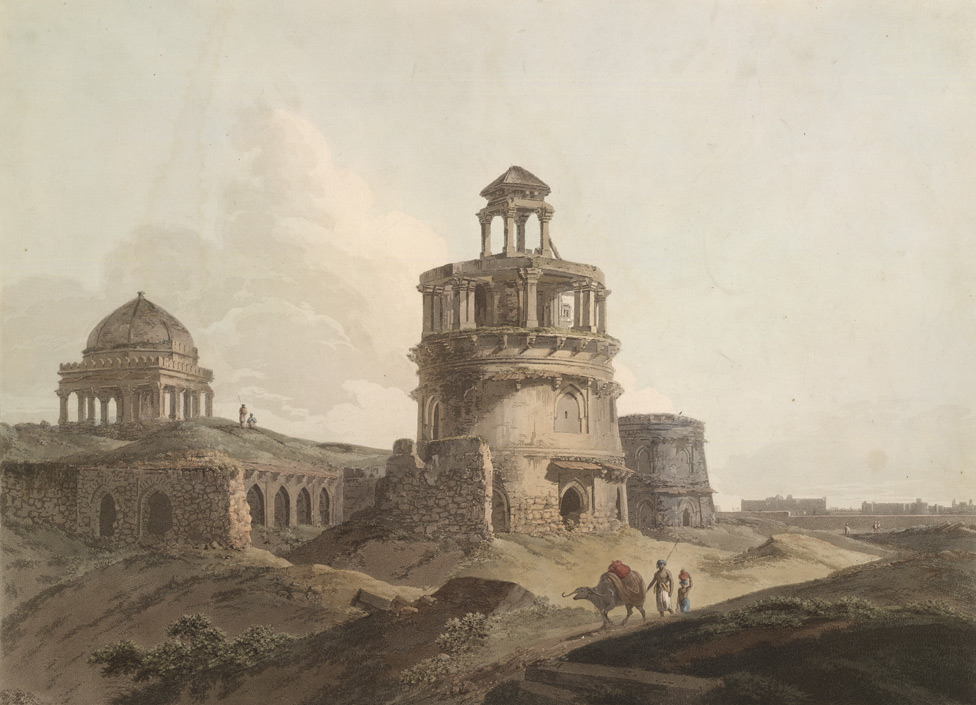
- Urban foundation and fortifications: He founded and repaired towns, fortresses and city precincts, including additions to the cityscape of Delhi and the fortress now known as the Firoz Shah Kotla.
- Irrigation and canals: Large-scale works to restore canals and wells were undertaken to revive agriculture and resettle cultivators on previously abandoned lands.
- Public amenities: He commissioned hospitals, sarais (roadside inns), bridges, and mosques to serve travelers, officials and the urban populace.
- Cultural transfers: He is credited in later chronicles with moving ancient sculptural pillars and inscriptions into the capital as symbols of royal patronage and continuity.
Military and territorial developments: The sultan faced repeated rebellions that reduced the effective size of direct control; several provinces enjoyed virtual independence for periods. He led or ordered expeditions to reassert authority in regions such as Bengal, with reconquest efforts occurring in the 1360s, but long‑term central dominance proved difficult to maintain in the face of local powerholders and limited resources.
Legacy and significance: Firoz Shah's 37-year reign is often judged as one of consolidation after the excesses of earlier years. His emphasis on public works, relief of famine‑prone districts, and visible royal patronage helped restore a measure of stability and civic life in the sultanate's heartlands. However, his era also saw the gradual weakening of centralized authority and the growing autonomy of provincial elites, developments that shaped the political landscape of northern India in the decades after his death. Scholars continue to view his rule as a mix of pious conservatism, administrative pragmatism and enduring architectural and infrastructural investment.
For further study, consult scholarly surveys of the late medieval Delhi Sultanate and regional histories of Sindh, Gujarat, and Bengal to place Firoz Shah's policies in wider context. Primary chroniclers and later historians offer contrasting assessments of his religious and cultural policies, reflecting shifts in patronage and political priorities during his reign.
Questions and answers
Q: Who was Sultan Firuz Shah Tughluq?
A: Sultan Firuz Shah Tughluq was a Muslim ruler of the Tughluq Dynasty who reigned over the Delhi Sultanate from 1351 to 1388.
Q: Who was Sultan Firuz Shah Tughluq's father?
A: Sultan Firuz Shah Tughluq's father was Rajab, the younger brother of Ghazi Malik, who had the title Sipahsalar.
Q: How did Sultan Firuz Shah Tughluq become the ruler of the Delhi Sultanate?
A: Sultan Firuz Shah Tughluq succeeded his cousin Muhammad bin Tughlaq following the latter's death in 1351 at Thatta in Sindh, where Muhammad bin Tughlaq had gone in pursuit of Taghi, the Muslim ruler of Gujarat.
Q: Why was Sultan Firuz Shah Tughluq reluctantly convinced to accept the reins of power?
A: Nobody was ready to accept the reins of power, and with much difficulty, the camp followers convinced Firuz to accept the responsibility. Khawaja Jahan, the Wazir of Muhammad bin Tughlaq, had placed a small boy on the throne claiming him to be the son of Muhammad bin Tughlaq, who meekly surrendered afterwards.
Q: What was the state of Sultan Firuz Shah Tughluq's realm?
A: Due to widespread unrest, his realm was much smaller than Muhammad's. Tughlaq was forced by rebellions to concede virtual independence to Bengal and other provinces. However, he reconquered Bengal in 1364.
Q: What was Sultan Firuz Shah Tughluq's religious affiliation?
A: Sultan Firuz Shah Tughluq was a religious Sunni Muslim who established Sharia across his entire sultanate.
Q: What mosque did Sultan Firuz Shah Tughluq construct in Delhi?
A: In Delhi, Firuz Shah Tughlaq constructed a jamia masjid called Jamia-i-Miri (mosque of miri) and asked all the Muslim scholars (ulama) and mystics to assemble there for the Friday prayers.
Related articles
Author
AlegsaOnline.com Firoz Shah Tughlaq: Sultan, Reformer, and Builder of the Delhi Sultanate Leandro Alegsa
URL: https://en.alegsaonline.com/art/118962
Sources
- dsal.uchicago.edu : Tughlaq Shahi Kings of Delhi: Chart
- books.google.co.uk : A History of Jaipur