
Fernando Wood: New York mayor, Congressman, and Tammany leader
Fernando Wood (1812–1881) was a Democratic politician, two‑time mayor of New York City, long-serving U.S. Representative, and a controversial leader within Tammany Hall during mid‑19th century America.
Fernando Wood (June 14, 1812 – February 14, 1881) was an American politician best known for serving two nonconsecutive terms as Mayor of New York City and for multiple terms in the U.S. House of Representatives. A prominent member of the Democratic Party, Wood was a skilled political organizer and a central figure in the municipal politics of mid‑19th century New York. Born in Philadelphia and later active in New York business and civic life, he left a mixed legacy of leadership, patronage, and controversy.
Image gallery
8 Images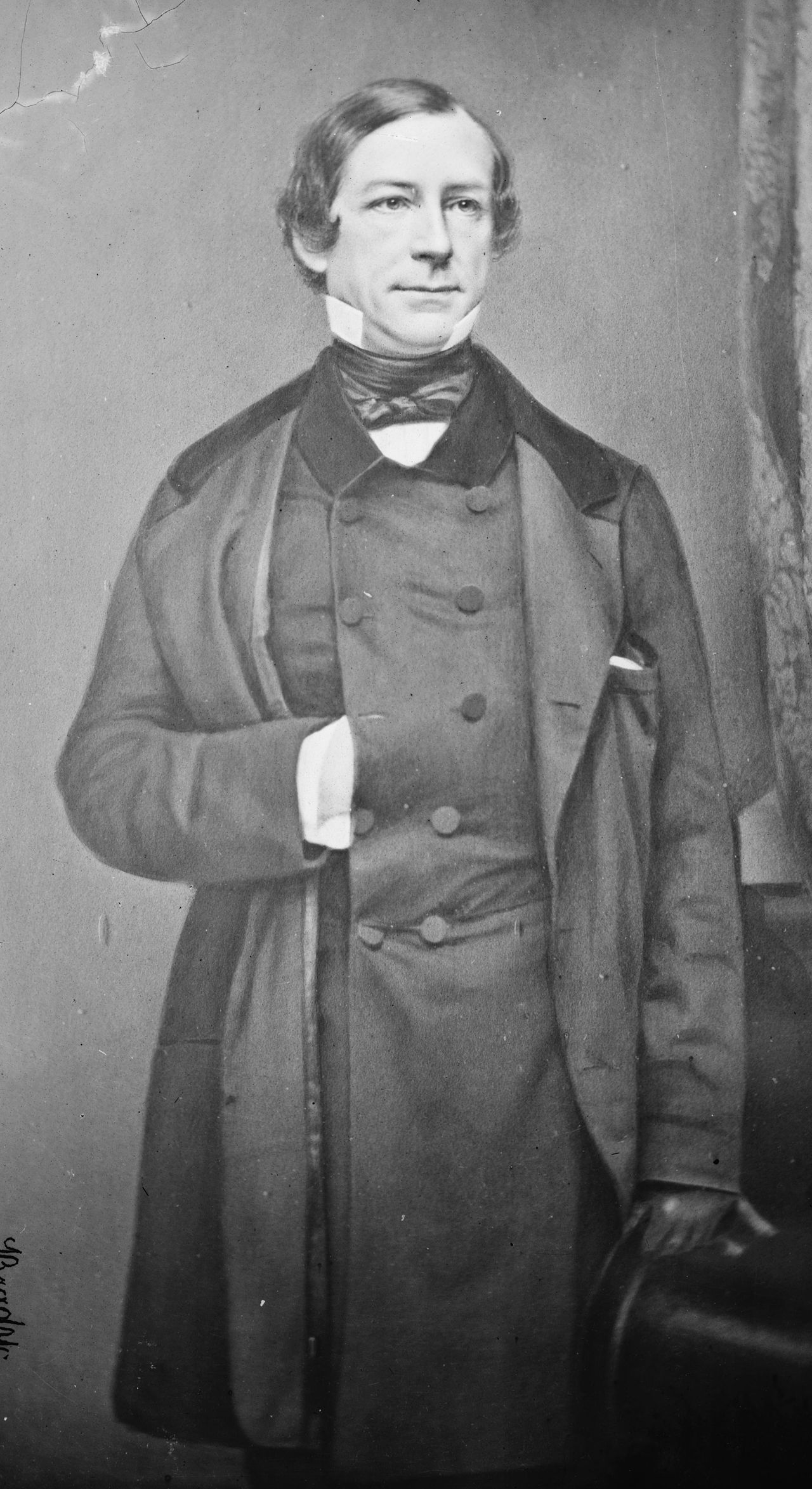

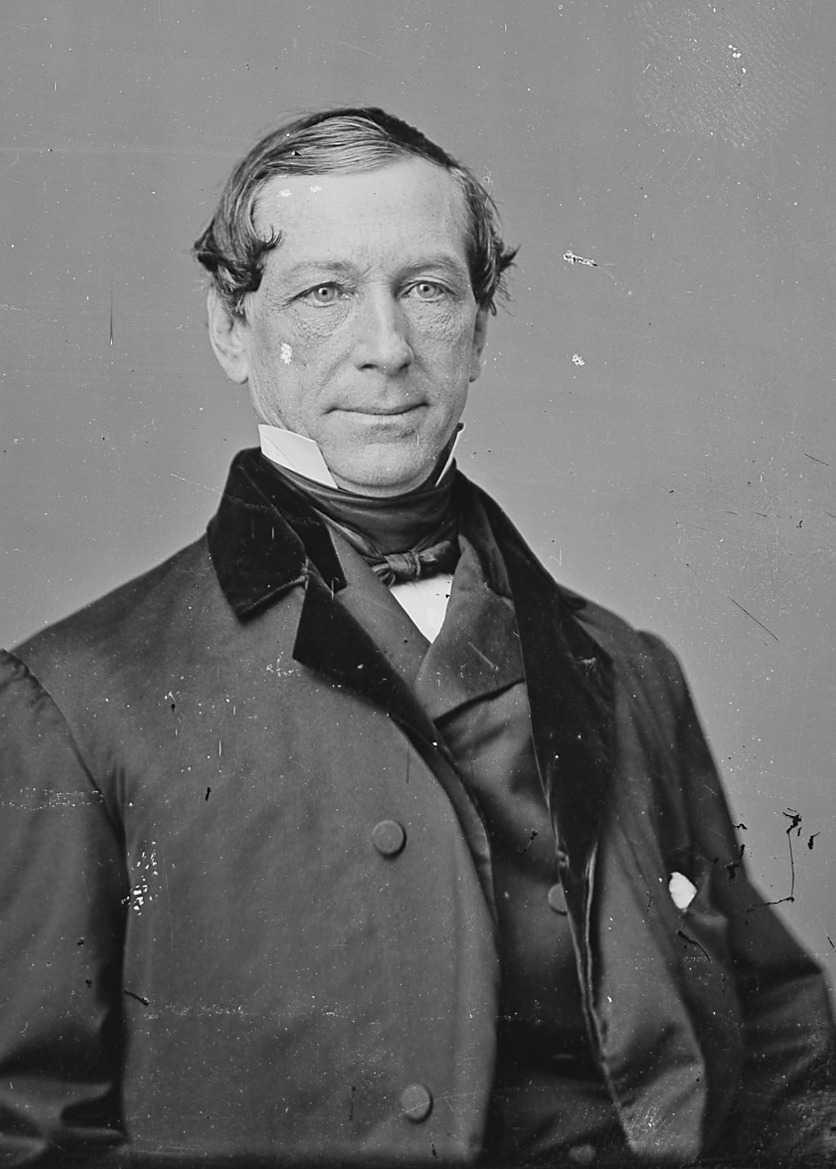


Early life and rise
Wood was born in 1812 and, after early work in commerce, entered city politics. He rose through local offices and became identified with the political machines and ward organizations that shaped urban elections. His political network and appeal to immigrant and working‑class voters enabled his election as mayor in the 1850s. He also began a long career in the national legislature, serving several nonconsecutive terms in the United States Congress.
Mayoral administrations (1855–1857 and 1860–1862)
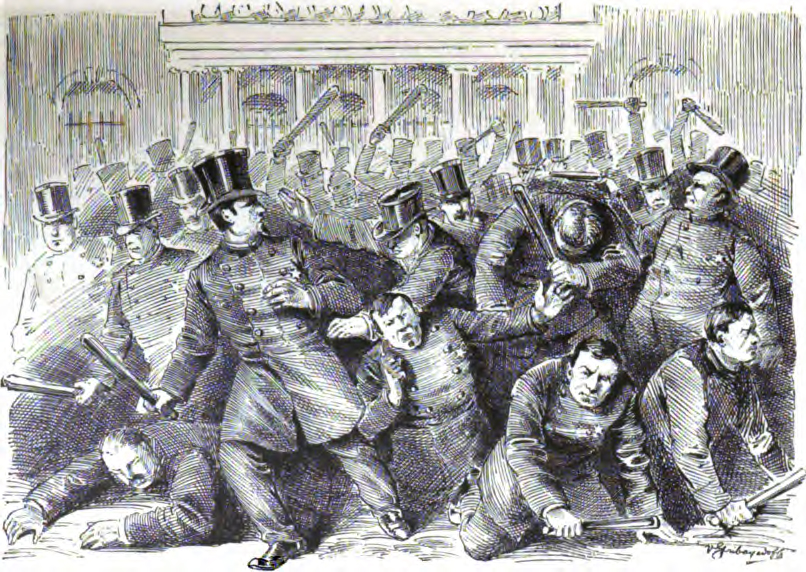
As mayor Wood emphasized municipal autonomy, public order, and the commercial interests of New York. His administrations faced the rapid growth of the city, contentious debates over police organization, and struggles between municipal and state authorities. Supporters praised his attention to business and the city’s needs; critics accused him of favoritism, patronage, and using city offices to reward political allies.
Congressional career and national role
Beyond the mayoralty, Wood served repeatedly in Congress, where in his later years he chaired the powerful Committee on Ways and Means. In that role he influenced federal fiscal policy during the post‑Civil War era. His legislative tenure spanned periods of national crisis and reconstruction, reflecting his blend of urban interests and party loyalty.
Controversies and political style
Wood’s career was marked by controversies that shaped his reputation. As an avowed partisan and machine politician associated with Tammany Hall, he used patronage to build support and was frequently accused by reformers of corruption. During the Civil War era he made proposals—interpreted by opponents as excessively protective of local commerce and neutrality—that drew sharp criticism and intensified scrutiny of municipal leadership. He also clashed with reform movements that sought to depoliticize city services.
Significance and legacy
Fernando Wood remains a significant, if polarizing, figure in 19th‑century American municipal politics. His career illustrates the era’s tensions: rapid urban growth, the power of party machines, the challenge of governance in a diverse metropolis, and the intersection of local and national pressures during wartime. Historians view him as an effective organizer who embodied both the strengths and the excesses of machine politics. He died in 1881 after decades of public service, leaving a record studied for what it reveals about the politics of his time.
- Born: 1812, Philadelphia
- Mayor of New York City: 1855–1857, 1860–1862
- U.S. Representative: multiple terms during 1840s–1880s (Congressional service)
- Political affiliation: Democratic Party; allied with Tammany Hall
- Regional origins: Pennsylvania
Related articles
Author
AlegsaOnline.com Fernando Wood: New York mayor, Congressman, and Tammany leader Leandro Alegsa
URL: https://en.alegsaonline.com/art/118938