
Felipe Calderón — Mexican politician and president (2006–2012)
Comprehensive overview of Felipe Calderón Hinojosa: early life, education, political rise, presidency (2006–2012), major policies, controversies, and post-presidential roles.
Overview
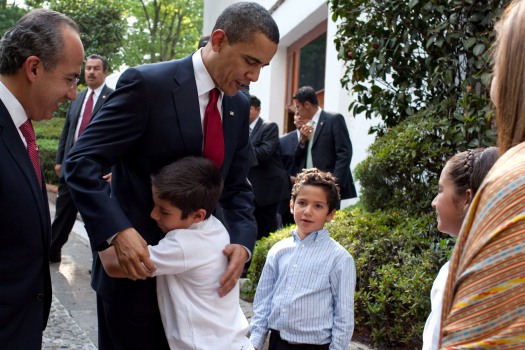
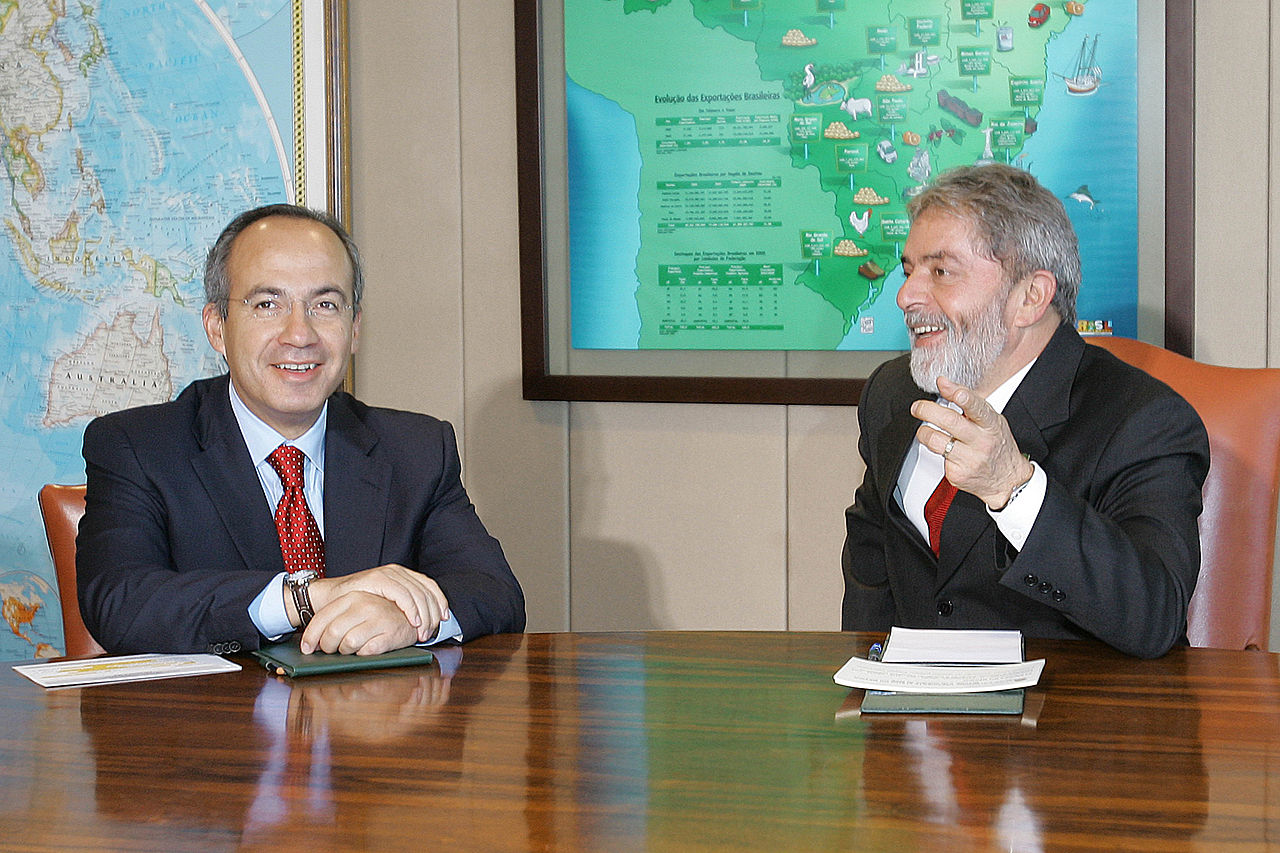
Felipe de Jesús Calderón Hinojosa (born 18 August 1962) is a Mexican politician who served as President of Mexico from 1 December 2006 to 30 November 2012. A member of the Partido Acción Nacional (PAN), Calderón rose from party and legislative roles to win a narrow and disputed 2006 election that left the country politically polarized. His presidency is widely associated with a large-scale security strategy against organized crime, and his later years have included work on international economic and environmental issues.
Image gallery
10 Images




Early life and education
Calderón was born in Morelia, Michoacán. He studied law and public policy in Mexico and abroad. His formal studies included the Free School of Law (Escuela Libre de Derecho) and the Autonomous Technological Institute of Mexico (ITAM), and he undertook graduate study at Harvard University. These academic experiences formed the foundation for his early career as a lawyer, academic and public servant.
Political rise and 2006 election
Before the presidency, Calderón held positions within the PAN, served in the federal legislature and was secretary of energy in a previous administration. In the 2006 presidential contest he emerged as the PAN candidate and won a closely contested vote that was challenged by opponents and led to legal review. The narrow margin and the post-election disputes contributed to a polarized national debate during the early part of his mandate.
Presidency: security, economy and policy
Calderón’s administration made the fight against drug trafficking organizations a central priority, deploying federal police and the armed forces to multiple states in an effort to dismantle criminal networks. Supporters argue this approach disrupted cartel operations; critics contend it contributed to increased violence in some regions and raised human-rights concerns. The government sought to strengthen institutions, improve intergovernmental coordination and reform aspects of public security policy.
Economically, Calderón led Mexico through a period that included the global financial shock of 2008–2009. His administration emphasized macroeconomic stability, sought to protect jobs and maintain investment, and proposed measures to modernize competitiveness. Social programs and infrastructure projects were advanced to address regional inequalities and support development in poorer areas.
Other policy areas
- Energy and regulatory issues: Calderón supported policies to improve energy-sector performance while broader structural reforms remained politically contentious.
- Environment and international engagement: during and after his term he increased Mexico’s participation in global discussions, later taking roles in commissions focused on the economy and climate.
- Governance and rule of law: his administration pursued judicial and institutional initiatives although progress was uneven across states.
Controversies and legacy
The Calderón years remain debated. His security strategy is credited by some with challenging well-armed criminal groups but criticized by others for a rise in homicides and for human-rights implications. The disputed 2006 election and the political tensions that followed influenced public perceptions and party politics. He has been given the derisive nickname Comandante Borolas by some opponents; supporters highlight his focus on confronting organized crime and maintaining stability during a turbulent international period.
Post-presidency and later roles
After leaving office, Calderón remained active in public life. He has taken leadership and advisory roles in international initiatives, notably serving as chairperson of the Global Commission for the Economy and Climate, an organization that produced influential analyses on economic growth and environmental sustainability. He has participated in policy forums on governance, climate and development and contributed to debates on Mexico’s long-term reforms. Commentators note that his post-presidential activities reflect a focus on global economic and environmental challenges.
Personal life
Calderón married Margarita Zavala in 1993; she later pursued political office and made a short-lived bid for the presidency in 2018 before withdrawing. Calderón’s family background, legal training and long association with the PAN have been central to his public profile. For further country and biographical context see materials on the presidency in the period 2006–2012 and local sources in Morelia as well as national policy reviews available through Mexican and international outlets (national coverage, education profiles at ITAM/Harvard, and commentary on his spouse Margarita Zavala).
Related articles
Author
AlegsaOnline.com Felipe Calderón — Mexican politician and president (2006–2012) Leandro Alegsa
URL: https://en.alegsaonline.com/art/118885
Sources
- britannica.com : "Felipe Calderón"
- newclimateeconomy.net : "The Global Commission"
- newclimateeconomy.net : "Members of the Global Commission"