
Fay Wray — actress best known for King Kong
Biography of Fay Wray (1907–2004), a Canadian-American actress remembered for King Kong, her long film career, influence on horror cinema, major honors, and continuing cultural legacy.
Overview
Fay Wray (born Vina Fay Wray; September 15, 1907 – August 8, 2004) was a film and television actress whose career, spanning many decades, made her an early emblem of cinematic horror and glamour. Raised in Alberta, she is commonly described as Canadian and later held ties with the United States, where she worked extensively and became widely identified as an American screen performer. Wray achieved lasting fame for her portrayal of Ann Darrow in the 1933 film King Kong, a part that has shaped popular ideas of the movie-era leading lady and the archetype of the damsel in peril.
Image gallery
10 Images





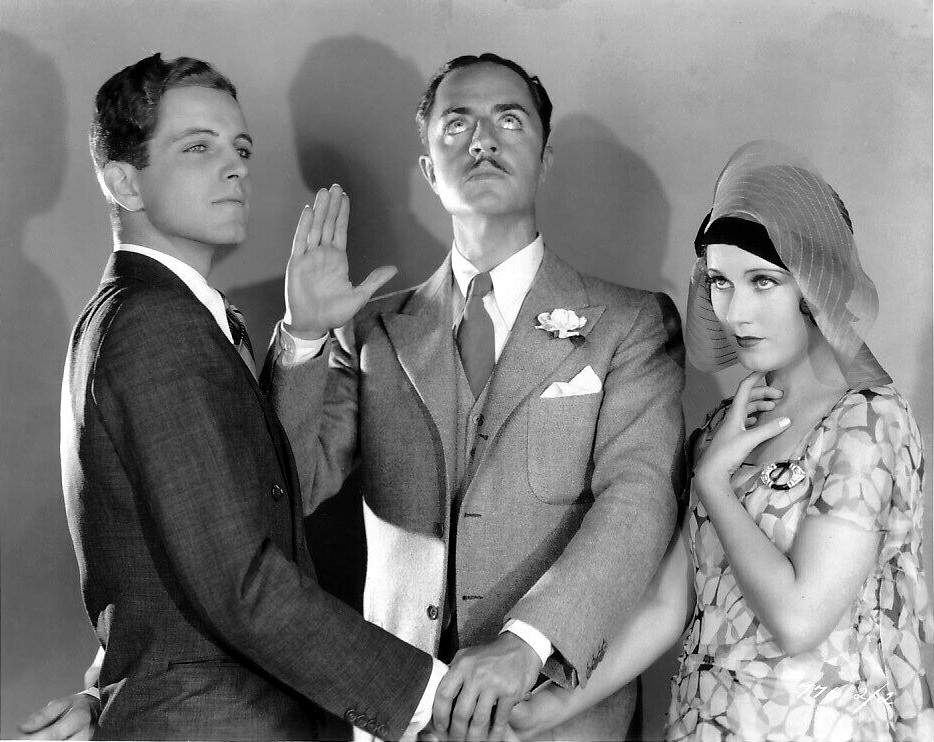

Career and screen persona
Wray began acting in the late silent era and made a successful transition into talking pictures. Over a career that extended more than half a century she appeared in dramas, comedies and numerous films with suspenseful or horror elements. Her performance style combined expressive vulnerability with a resilient presence, qualities that critics and audiences connected with the intense melodrama of early genre cinema. The role of Ann Darrow brought her international visibility and remains the single performance most frequently associated with her.
Notable honors and public recognition
Recognition for Wray's contribution to film came both during her life and after. She was a recipient of industry awards that celebrated lifetime achievement and influence, including a Women in Film Crystal Award in 1989. Film festivals and organizations later honored her with career tributes; for example she received a "Legend in Film" distinction at a Florida festival in the early 2000s. Her name and image appear on commemorative lists and public memorials: she has a star on the Hollywood Walk of Fame at 6349 Hollywood Boulevard (Hollywood Walk of Fame) and was posthumously honored on Canada's Walk of Fame in Toronto (Canada's Walk of Fame).
Legacy, memorials and cultural impact
Wray's association with King Kong inspired a range of tributes in her native Alberta and beyond. Her birthplace community named a small park in her honor and uses visual references to the Kong silhouette as a public reminder. A painted portrait of her appears on display in a regional theatre, and in the years following her death she became part of philatelic and civic commemorations: one Canadian postal issue featured her image among a set of entertainment figures (Canada Post). Two days after her passing, a notable New York landmark dimmed its lights briefly as a gesture of remembrance (Empire State Building).
Selected distinctions and enduring significance
- Often cited as an early icon of horror and suspense cinema, though she worked across genres.
- Career longevity—she continued to appear on screen and make public appearances well after her peak years in the 1930s and 1940s.
- Recognized both in North America and internationally for her contribution to film history and popular culture.
Fay Wray's name endures primarily because of a single, culturally resonant performance and the larger role she played in early 20th-century moviemaking. Her life illustrates the trajectory of a performer who moved from silent films into the studio era and later became a symbol of Hollywood's early impact on global imagination. Her awards, monuments and the ongoing references to her work reflect how one performance can shape a public legacy while only partially representing a lengthy and varied artistic career.
Related articles
Author
AlegsaOnline.com Fay Wray — actress best known for King Kong Leandro Alegsa
URL: https://en.alegsaonline.com/art/118861
Sources
- news.bbc.co.uk : "report of Wray's death"
- wif.org : "Past Recipients: Crystal Award"
- upi.com : "Fay Wray - Empire State Building To Dim Lights In Remembrance Of Actress Fay Wray"