
Félix Tshisekedi — President of the Democratic Republic of the Congo
Congolese politician Félix Tshisekedi, leader of the UDPS, president since 2019 and African Union chair 2021–2022. Overview of his background, rise, policies, and challenges.
Overview
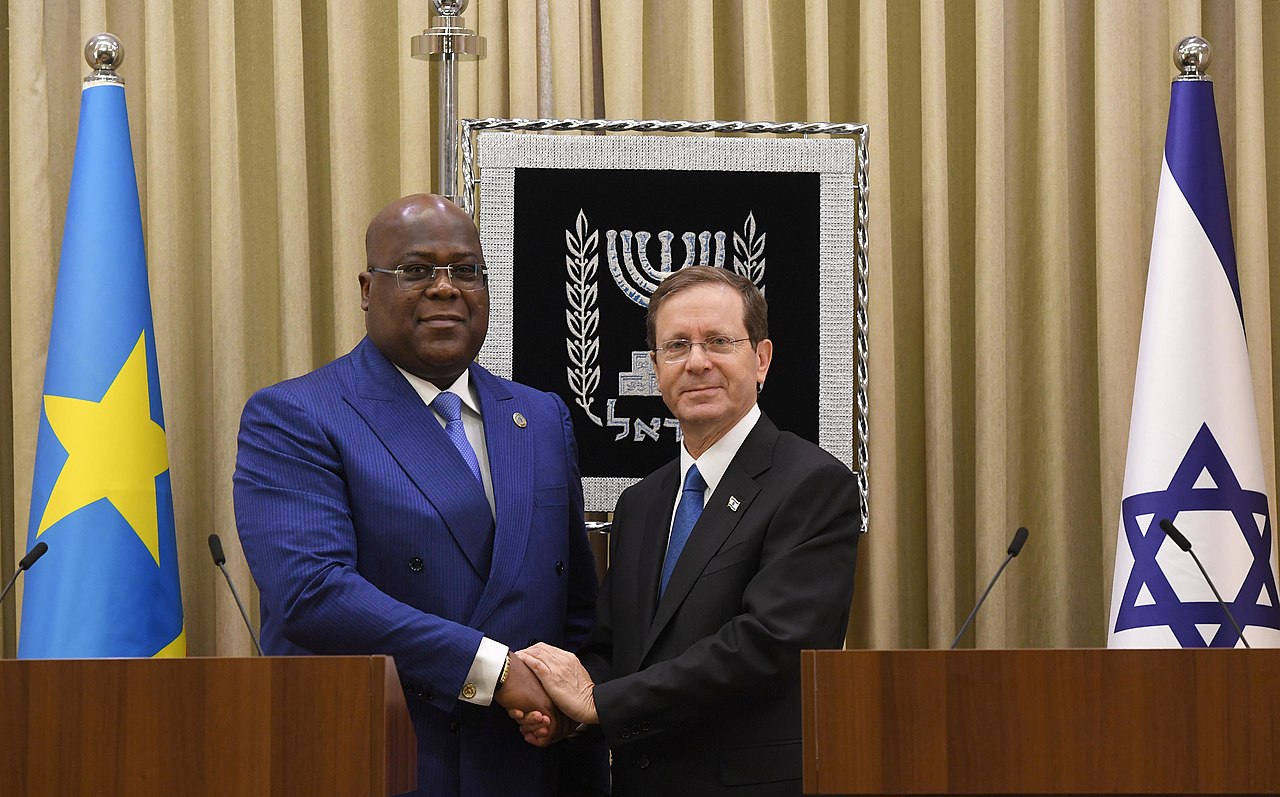
Félix Antoine Tshisekedi Tshilombo (born 13 June 1963) is a Congolese politician who leads the long-established opposition party Union for Democracy and Social Progress. He was declared the winner of the 2018 presidential vote and assumed office as President of the Democratic Republic of the Congo in January 2019. From 2021 to 2022 he served as Chairperson of the African Union, representing the country on continental issues.
Image gallery
8 Images




Early life and political rise
Tshisekedi is the son of Étienne Tshisekedi, a prominent figure in Congolese politics and a founder of the UDPS. Félix Tshisekedi became active in the party and rose through its ranks, eventually taking formal leadership. His political career has been shaped by decades of opposition to authoritarian rule and by efforts to position the UDPS as a broad-based party inside a complex national landscape.
Presidency (since 2019)
As president, Tshisekedi has faced the twin tasks of consolidating democratic governance and addressing persistent security and developmental problems. His administration has prioritized anti-corruption rhetoric, attempts at judicial and electoral reform, and efforts to attract investment, while also confronting humanitarian and security crises in the eastern provinces where armed groups remain active.
Policies, priorities and challenges
Key issues during his time in office include:
- Security and stabilization in eastern DRC, with multiple armed factions and displacement of civilians;
- Governance reforms and anti-corruption measures aimed at strengthening state institutions;
- Economic measures to manage a resource-rich but infrastructurally limited economy;
- Public health and social services, including responses to public health threats.
Regional and continental role
During his tenure as African Union chairperson in 2021–2022, Tshisekedi took part in diplomatic initiatives and continental discussions about peace, security and development. That role gave him a higher profile in regional diplomacy and multilateral coordination of responses to crises in Africa.
Notable facts and controversies
Tshisekedi’s election and early governance drew mixed reactions. Supporters hailed a generational change and a break from long-standing rule, while critics and some observers pointed to contested aspects of the 2018 vote and to allegations—disputed by his advisers—of informal arrangements with the outgoing administration. His presidency continues to be judged on progress toward deeper democratic reforms and on whether state authority can be extended more effectively across the country.
For further institutional context see the party page at UDPS, the presidential office overview at Presidency, and African Union materials at AU.
Related articles
Author
AlegsaOnline.com Félix Tshisekedi — President of the Democratic Republic of the Congo Leandro Alegsa
URL: https://en.alegsaonline.com/art/118806
Sources
- voaafrique.com : "Félix Tshisekedi investi candidat du parti historique d'opposition UDPS en RDC"
- jeuneafrique.com : "RDC : Félix Tshisekedi, au nom du père"
- bloomberg.com : "Congo Opposition Leaders Mull Unity Candidate for Delayed Vote"
- bbc.com : "Opposition named winner in DR Congo poll"