
Eva Burrows: Salvation Army leader and community welfare advocate
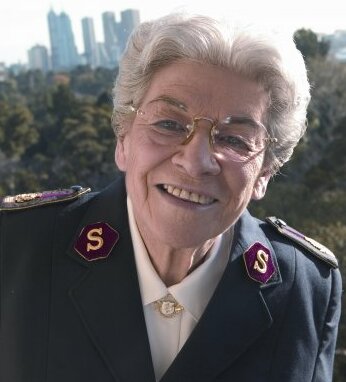
Eva Evelyn Burrows (1929–2015) was an Australian Salvation Army officer who served as the 13th General (1986–1993). She is remembered for international leadership, social outreach, and decades of service.
Eva Evelyn Burrows (15 September 1929 – 20 March 2015) was an Australian Salvation Army officer and community welfare organiser who served as the 13th General of the Salvation Army from 1986 to 1993. An officer from 1951 until her retirement in 1993, Burrows combined pastoral ministry with administrative leadership and was widely respected for her commitment to social outreach and international development.
Image gallery
2 Images
Early career and development
Burrows trained and worked in Salvation Army ministries for decades before becoming General. Her early service included pastoral work, social programs and leadership roles that prepared her for international responsibilities. She became known for balancing spiritual priorities with practical welfare initiatives and for advocating training and professional standards for officers.
Leadership as General
As General (1986–1993), Burrows led a worldwide movement of ministries focused on evangelism, social services and humanitarian relief. Her tenure emphasized strengthening programs in developing countries, improving officer training, and promoting the Army’s response to poverty and disaster. Observers note her steady administrative style and personal attention to both policy and pastoral care.
Impact, recognition and legacy
Burrows received national and international recognition for her work, including appointment as a Companion of the Order of Australia (AC). She is remembered as one of the few women to reach the movement’s highest office and for advancing the Army’s role in community welfare. Her leadership influenced subsequent priorities in international relief, education and social justice within the organisation.
- Officer of The Salvation Army: 1951–1993
- 13th General: 1986–1993
- Honours: Companion of the Order of Australia and other recognitions
Burrows died on 20 March 2015 in a hospital in Melbourne, Victoria. For further biographies and organisational history see the Salvation Army profile and related historical summaries. Her life is frequently cited in discussions of religious leadership, women in ministry and the development of faith-based social services.
Related articles
Author
AlegsaOnline.com Eva Burrows: Salvation Army leader and community welfare advocate Leandro Alegsa
URL: https://en.alegsaonline.com/art/118758
Sources
- dailytelegraph.com.au : "Salvation Army leader General Eva Burrows dies, aged 85"