
Eochaid, disputed 9th‑century ruler associated with the Picts
Eochaid was a late 9th‑century claimant to the Pictish/Alban throne. His alleged rule, lineage, and relationship with Giric are debated in medieval sources and modern scholarship.
Overview
Eochaid is a figure from late 9th‑century Scottish tradition often described as a claimant or co‑ruler of the Picts (later Alba). Medieval king‑lists and later chronicles place him in the generation after Kenneth MacAlpin and associate his activity with the reign of a contemporary named Giric. Modern historians treat Eochaid as a contested and poorly documented figure: some lists give him a brief rule, others omit him entirely.
Image gallery
10 Images



Origins and claim to power
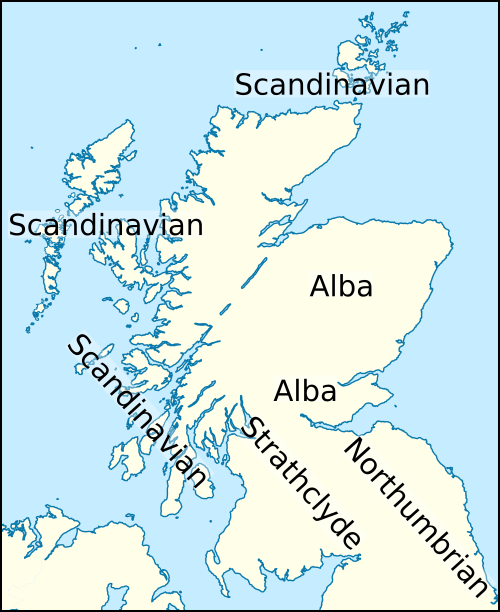
Later sources record Eochaid as son of Run (Rhun), a king of Strathclyde, and as a maternal grandson of Kenneth MacAlpin. If accurate, that pedigree would have given him a mixed Strathclyde‑Gaelic ancestry and a plausible dynastic claim to the northern throne. Medieval compilers used such genealogies to justify succession, but the surviving records are inconsistent and were compiled centuries after the events they describe.
Reign and relationship with Giric
Some chronicles present Eochaid and Giric as joint rulers or as Giric’s contemporary, dating their association to the late 870s and 880s. In these accounts Giric is often portrayed as the dominant figure, with Eochaid either ruling in partnership or serving as a client king backed by Strathclyde interests. Other readings make Eochaid a brief or nominal king whose authority was eclipsed by Giric.
Deposition and later fate
According to later accounts, Eochaid’s time on the throne ended when he was removed in the 880s and replaced by other members of the northern royal family, for example Donald (Domnall) or his successors. Some traditions say he went into exile and died away from the realm. Because contemporary annals are sparse for this period, these details remain speculative.
Historical significance and debate
- Eochaid’s story illustrates the fluid politics of the late 9th century, when Gaelic, Pictish and Brittonic dynasties interacted and intermarried.
- He appears only in relatively late or problematic sources, so historians debate whether he was a real ruler, a co‑king, a puppet, or a later invention to explain succession disputes.
- The episode marks the transitional phase when the title and identity of rulership in the north shifted toward the emerging kingdom of Alba.
Because evidence is fragmentary, any reconstruction of Eochaid’s life and reign must be cautious. He remains a symbol of a turbulent era in which dynastic ties across regional boundaries shaped the formation of medieval Scotland.
Related articles
Author
AlegsaOnline.com Eochaid, disputed 9th‑century ruler associated with the Picts Leandro Alegsa
URL: https://en.alegsaonline.com/art/118577
Sources
- britroyals.com : "King Eochaid of Scotland | Britroyals"