
Emomali Rahmon
Emomali Rahmon has led Tajikistan since 1992, consolidating power after a civil war and steering a government praised for stability and criticized for authoritarian practices.
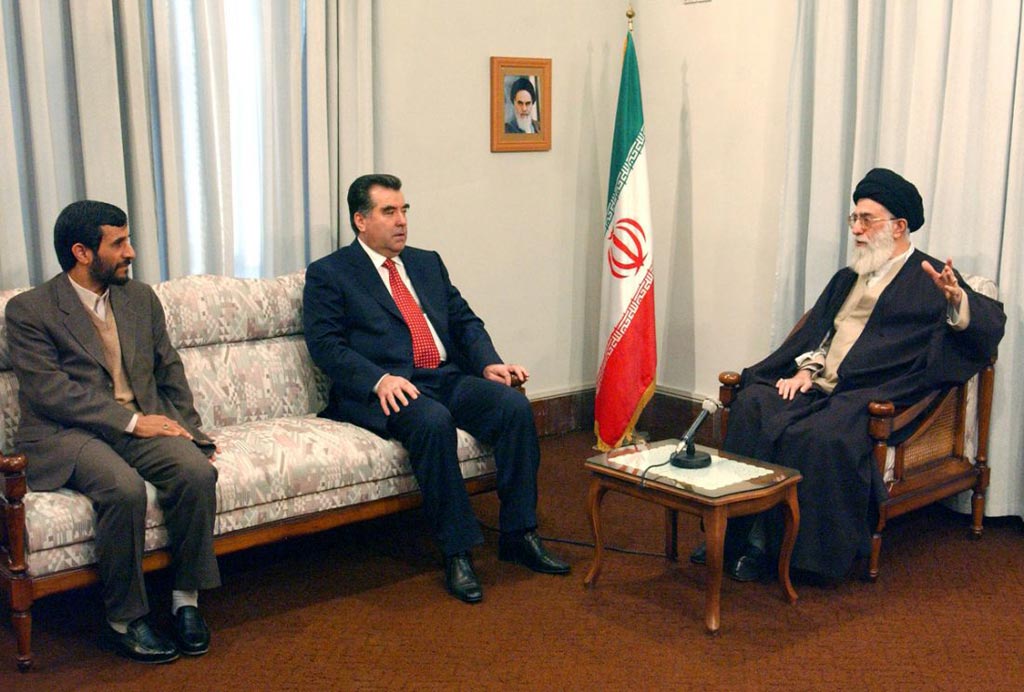
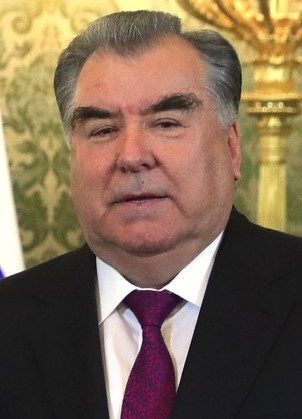
Emomali Rahmon (Tajik: Эмомалӣ Раҳмон; born 5 October 1952) is a long-serving Central Asian leader who has been the head of state of Tajikistan since 1992. He is widely described as the country’s dominant political figure, presiding over a government that emphasizes stability and state control. Rahmon is commonly identified in English-language sources under the transliterated form shown here.
Image gallery
10 Images




Overview
Rahmon rose from local administrative positions to national leadership during a turbulent period after the Soviet Union’s collapse. His presidency began amid violent factional conflict and he has remained the central actor in Tajik politics for decades. Supporters credit him with restoring order and leading reconstruction; critics point to restrictions on political opposition, independent media, and civil society.
Rise to power and the civil war
After coming to prominence in the early 1990s, Rahmon assumed the highest office as national institutions were strained by competing regional and ideological forces. Tajikistan experienced a civil war in the first half of the 1990s; estimates of the human cost vary, and some accounts place the death toll in the tens of thousands. The conflict shaped Rahmon’s approach to governance, with a strong emphasis on security and centralized authority.
Domestic policies and governance
Rahmon’s administration has prioritized political stability, infrastructure rebuilding, and state-led economic initiatives. Over time, his government consolidated control over major institutions, including the security services and media. Elections held during his tenure have repeatedly returned him to office, including a fourth term beginning in 2013; international observers and opposition figures have frequently criticized the electoral environment as constrained.
International relations and legacy
On foreign policy, Rahmon has maintained close relations with regional powers and external partners to secure economic aid and address security challenges, particularly those arising from instability in neighboring areas. His long rule has made him a defining figure of independent Tajikistan, and debates about his legacy focus on the trade-off between the restoration of order and ongoing concerns about political freedoms and human rights.
- Born 1952; rose to national leadership in 1992.
- Led the country through a post-Soviet civil conflict with significant casualties.
- Politically dominant with repeated re-elections, including in 2013.
- Officially adapted the form of his surname in the 2000s as part of national cultural changes.
- Subject of persistent international attention for governance and human rights practices.
For further background on language and cultural context see Tajik sources and for political and biographical context see general profiles of Tajikistani leadership. This article gives a concise portrait of a leader whose rule continues to shape Tajikistan’s politics and society.
Related articles
Author
AlegsaOnline.com Emomali Rahmon Leandro Alegsa
URL: https://en.alegsaonline.com/art/118484
Sources
- news.tj : "Эмомали Рахмон: вехи политической биографии"
- hrw.org : "World Report 2019: Rights Trends in Tajikistan"
- theguardian.com : "Tajik president and his family to get life-long legal immunity"