
Emilio Colombo
Italian statesman Emilio Colombo (1920–2013) was a veteran Christian Democrat who served as Italy’s prime minister (1970–72), held many ministerial posts, led in European institutions, and was a senator for life.
Emilio Colombo (11 April 1920 – 24 June 2013) was a prominent Italian statesman whose long public career spanned national government, European institutions and the Italian Senate. He is best known for serving as Prime Minister of Italy from 1970 to 1972 and for his decades of service within the Christian Democracy tradition, a dominant force in postwar Italian politics. In 2003 he was appointed a senator for life and remained a member of the Senate until his death in 2013.
Image gallery
3 Images

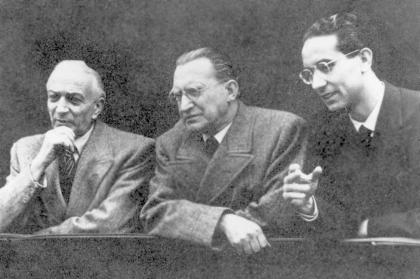
Early life and political beginnings
Colombo was born in Potenza, the principal town of Basilicata, on 11 April 1920. He entered public life during the period of reconstruction after World War II and became associated with the centrist, Catholic-influenced wing of Italian political life. Over the following decades he developed a reputation as a pragmatic administrator and a negotiator able to work across coalition lines in Italy’s multipartite parliamentary system.
National leadership and ministerial roles
As Prime Minister of Italy between 1970 and 1972, Colombo led a government during a period of economic pressures and social change. His administration operated in a fragmented party system and aimed to preserve stability, manage public finances, and respond to industrial and social demands. Beyond the premiership, Colombo served in numerous senior ministerial posts across many cabinets, gaining experience in areas such as public finance, the treasury and foreign affairs. His long tenure in government made him a familiar figure in discussions of Italy’s economic policy and diplomatic orientation.
European engagement
Colombo was active in European affairs and in the late 1970s took on prominent responsibilities within European parliamentary institutions, reflecting Italy’s growing role in European integration. He participated in debates on cooperation among member states and the development of common policies. His European work complemented his national career and illustrated the connections between Italy’s domestic politics and broader processes of European integration.
Senator for life and later years
In November 2003 Colombo was appointed a senator for life, an honorific position in the Italian Senate awarded by the President of the Republic in recognition of distinguished service. For the first five years he sat as an independent; during the 16th term of the Senate he aligned with the UDC‑independence parliamentary group and continued to take part in deliberations on institutional and foreign policy matters (Senate term).
Controversy and public reaction
Also in 2003, Colombo publicly acknowledged that he had used cocaine for a limited period, describing it as for "therapeutic purposes," and he disclosed aspects of his private life that attracted wide public attention and media discussion (reports). These revelations prompted debate in Italy about the relationship between private conduct and public office, and they became part of the later public record of his life.
Death and legacy
Colombo died from natural causes on 24 June 2013 in Rome at the age of 93. His political legacy is that of a centrist, institutionally focused politician who sought to navigate Italy through turbulent years, to strengthen ties with European partners, and to maintain governmental continuity in an often-fractured parliamentary landscape. He is remembered both for his administrative roles at the national and European levels and for the public conversations his later-life statements provoked about private life and public accountability.
Notable offices and contributions
- Prime Minister of Italy (1970–1972)
- Long-serving cabinet minister with responsibilities including public finance, the treasury and foreign affairs
- Senior participant in European parliamentary life, including a leadership role in the late 1970s
- Senator for life from 2003 until his death in 2013
Colombo’s career illustrates key themes of postwar Italian politics: the centrality of Christian Democracy, the challenges of coalition government, and Italy’s evolving relationship with European institutions. For contemporary research and a fuller account of his speeches and votes, consult official parliamentary records and archives of the European Parliament and the Italian Senate (national records, Senate archives).
Related articles
Author
AlegsaOnline.com Emilio Colombo Leandro Alegsa
URL: https://en.alegsaonline.com/art/118426
Sources
- espresso.repubblica.it : "Casini dica Dico"
- theage.com.au : "Former PM tells of regular cocaine use"
- repubblica.it : "È morto Emilio Colombo: aveva 93 anni L'Italia dice addio all'ultimo padre costituente"